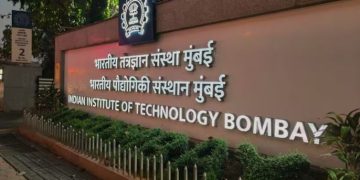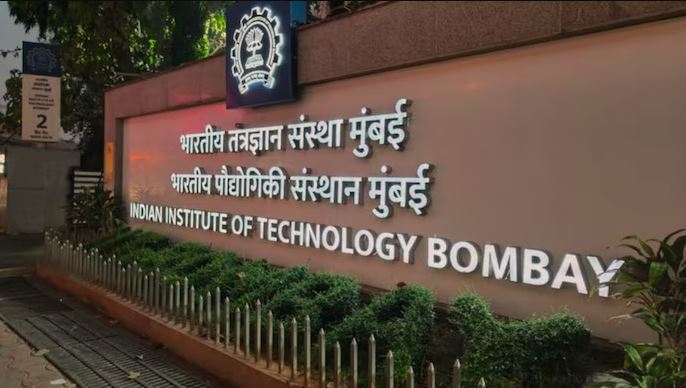
The alleged suicide by a second-year B. Tech student of the prestigious IIT Bombay, one of India’s most premier institutes, has brought into national focus a shocking and painful phenomenon occurring with frightening regularity in several IITs of the country for some time, but not getting the serious attention it merits. At the moment, the IIT-B campus is rocked by massive protests by students demanding accountability of those at the helm of affairs, followed by processions by many members of the faculty fearing one of their colleagues is being made a scapegoat for performing his duty and going by the rule book prepared by the institute’s highest decision-making body.
The IIT-B authorities had first stated that the student, Sahil Ravindra Wakode, took his own life after getting caught using a mobile phone in the examination hall and uploading the question paper to ChatGPT to seek answers. The institute maintained that no disciplinary action had been initiated against him. After his parents alleged that the student had been subjected to institutional harass ment and caste-based discrimination, the authorities retracted the statement and apologised for issuing it while an investigation was underway. Meanwhile, police have filed an FIR, naming IIT-B professor Suryanarayana Doolla, who was the invigilator at the exam hall, as an accused.
Also Read

According to IIT-B, the student in the Energy Science and Engineering department from Maharashtra’s Yavatmal was found hanging from the ceiling fan in his room in Hostel Number 4 on the Pawai campus. However, his parents rejected the cheating claim made against their son and questioned the circumstances surrounding his death. His father alleged that the 20-year-old had previously told him about things that were troubling him, but he did not realise the seriousness of what he was going through at the time. The institute has removed Doolla from his post of Dean of Administrative Affairs following protests by students and political activists over the suicide. A case of abetment and caste discrimination has been registered against Doolla. Unfortunately, at least eight suicides have been reported across IITs between January and September this year, with two other student deaths also investigated as possible suicides. Wakode’s was the third student suicide at IIT-B this year. In recent years, student suicides at IITs have intermittently triggered protests and inquiries. Many have been linked to academic pressure and mental stress leading to depression.
Last December, an RTI inquiry filed by IIT Kanpur alumnus Dheeraj Singh showed that 65 students had died by suicide across the IITs between 2021 and 2025. About 40 of those deaths reportedly occurred even after the Union government had issued guidelines to higher-education institutions on students’ emotional and mental well-being and suicide prevention.
In June this year, a government release said a national task force constituted by the Supreme Court to examine “rising incidence” of student suicides in higher-education institutions had visited 30 institutions in 10 states to hold consultations on issues such as caste discrimination, disability and mental health. The spiral of suicides has given rise to several questions about the way higher education institutions, including the IITs, are functioning, especially when it comes to students interests.
The most important aspect that is scarcely considered is the fact that the young learners, often in their teens or early 20s, have to study in hostels in their campuses far removed from the warmth and security of their homes. They are often under mental stress to cope with the pressures of the syllabus. Cases of harassment by faculty and ragging by senior students have also come to light time and again.
Many students are found to be suffering from depression and different forms of mental distress due to a combination of various factors. Many do not share their plight with parents so as not to stress them out, and suffer silently. Teachers and counsellors are expected to step up and play the challenging role of friends, philosophers and guides. Unfortunately, the empathy expected of them is lacking in many cases. Merely employing a few counsellors and psychiatrists in the campus and expecting students to reach out to them is far too inadequate as is being proven regularly. At the same time, as an IIT-B faculty committee complains, it would be wrong to single out any one of the teachers in charge of conducting an exam and blame him for implementing exam rules made by the authorities. This brings into question the issue of collateral damage by picking the most obvious scapegoat or target. It is high time to reorganise the higher education system and the revered institutes of higher learning, taking into account students’ well-being. Administrators and faculty, along with students’ representatives and alumni, could put together a framework for managing academic affairs of IITs and other centres of higher studies. Government must then formulate a management system based on such a blueprint that benefits students and facilitates learning. It is high time reforms in education are implemented in a way that bright, innocent lives bloom instead of being snuffed out.
Orissa POST – Odisha’s No.1 English Daily