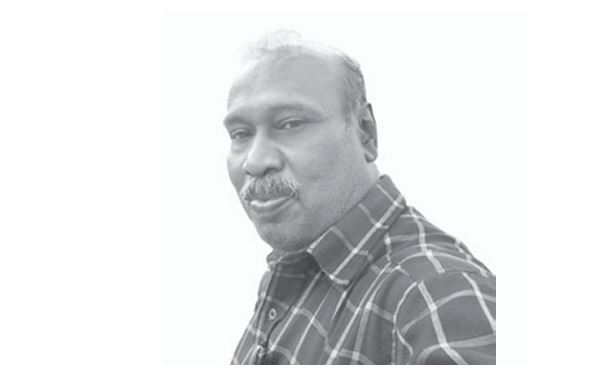
By Bhaskar Nath Biswal
India stands at a precarious crossroads where its demographic dividend is increasingly threatened by an invisible yet pervasive adversary: a deepening mental health crisis. Recent revelations from the Indian Psychiatric Society, shared ahead of their 77th annual national conference, paint a harrowing picture of a nation where over 80% of those suffering from psychiatric disorders are left to navigate their struggles without professional intervention.

Similarly, the data surfacing from the National Mental Health Survey and global health observers is nothing short of alarming. In a nation of over 1.4 billion people, the treatment gap for common mental disorders stands at a staggering 85%. Nearly 80% of children and adolescents with diagnosable conditions receive no treatment. Likewise, approximately 84% of senior citizens remain untreated, often because their psychological distress is erroneously dismissed as a ‘normal’ byproduct of aging or is masked by the isolation of the elderly.
These figures suggest that India possesses one of the widest mental health treatment gaps globally, a situation exacerbated by a severe shortage of psychiatrists and psychologists and a lack of integration between mental health and primary healthcare.
To its credit, the Indian government has not been entirely oblivious to this burgeoning disaster. In recent years, there has been a visible shift toward institutionalising mental health support. The launch of the Tele-MANAS (Tele-Mental Health Assistance and Networking Across States) helpline represents a significant step toward leveraging technology to bypass geographical barriers. Furthermore, the expansion of the District Mental Health Programme (DMHP) aims to decentralise care, bringing psychiatric services closer to rural and semi-urban populations.
However, the chasm between policy on paper and practice on the ground remains vast. The primary reason for this failure is a chronic underfunding of the sector. The persistent shadow of social stigma and ‘labeling’ also acts as a formidable barrier that government awareness campaigns have failed to dismantle. In many parts of India, mental illness is still viewed through the lens of personal weakness, social judgment or spiritual failure rather than as a treatable health condition. This cultural resistance ensures that even when services are available, they are avoided until the illness turns chronic.
Furthermore, the shortage of a trained mental health workforce is so acute that even if the government were to double its facilities tomorrow, there would not be enough professionals to man them. This suggests a failure in the educational and vocational planning sectors to incentivize psychiatry and clinical psychology as viable and necessary career paths.
The consequences of this stagnation are catastrophic. Untreated mental illness contributes to India’s disproportionately high share of global suicide deaths. When care is delayed, the burden is transferred from the individual to the state in the form of lost productivity and economic drain.
To move forward, India must treat mental health with the same urgency as infectious diseases or maternal mortality. This requires a radical budgetary shift and the mandatory integration of mental health screenings into every level of the public health system. We must move beyond helplines toward a robust, community-led infrastructure where teachers, primary care doctors and community workers are trained to identify early symptoms.
Ultimately, the goal must be to transform the conversation from one of ‘shame’ to one of ‘support.’ As India continues its ascent on the global stage, it cannot afford to leave 80% of its struggling citizens behind in the shadows. The transition from a crisis of neglect to a culture of care will require more than just policies; it will require a sustained, nationwide movement to ensure that no mind is left to suffer in silence. Only by bridging this treatment gap can India truly claim to be a healthy and progressing nation.
The writer is former college Principal and Founder of Supporting Shoulders-NGO.