
Prime Minister Narendra Modi has taken to Instagram, aiming his messages at the tell-it-as-it-is generation called the ‘Gen Z’. The RSS chief Mohan Bhagwat has also chimed in to the current times by opening conversations with them. The entire establishment, it appears, wants to listen to voices that in a matter of some 12 days at their peak wiped out 12 years of carefully constructed, extensively choreographed and lavishly funded PR campaigns that have sold a particular image of the current party leadership. This was a new kind of the bulldozer effect, giving the demolition squad politics of the BJP a taste of its own medicine in the digital world.
But how do you patch up with those who reject yesterday’s polite conversation and genteel criticism for raw honesty and stripped-down candour that is not understood if not unknown in India’s hierarchical social order? One safe statement bandied about in old-world fashion (and some outdated management training) used to be that it is okay to be disagreeable but only in an agreeable way. In India, authority is presumed to be knowledgeable and responsible. We are told to “respect” the Prime Minister. The ‘Gen Z’ wants to ask: ‘Why?’ If there is so much to disagree with, why not throw out the niceties and disagree in a disagreeable way?
In boldly walking that path, the protesters who made history at Jantar Mantar by gaining the rare exit of an incompetent minister, have taught the BJP-RSS some important lessons. They have also turned many assumptions on their head, not the least of which is that fancy campaigns and claims using hyperbolic language may build an image in the interim but can over time tear apart that image mercilessly. Hard selling has a hard stop if it is not to trigger skepticism or worse. Numbers celebrated in terms of likes or followers on social media date back to the age of influencers. This is the time of anti-influencers who are ready to call you out. Further, raw numbers say nothing about the buy-in on a political message. When the digital space is flooded with fish-market-style propaganda, high view counts representing a mix of organic, bought and forced reach, do not necessarily translate into support. IT cells either mistake visibility for genuine support or have an interest in promoting this easy metric, masking a growing audience that watches not out of admiration, but out of deep scepticism and some outright contempt.
What matters in this world is the honesty of content, not the flaky paint of the form. It brings back the classic style of conversation rooted in the world of spontaneity that is increasingly being seen as a byword for trust and conviction. This grammar is in fact not so new; it is a way of being that was lost to the age of gloss, false framing and feigned outrage on controlled television and money-spinning social media platforms. The ‘Gen Z’ have reclaimed the classic and they deserve to be celebrated just for that if not more. The system pushed far too much on one side and the spring has now pulled back.
The dynamic mounts an almost insurmountable hurdle for a leadership that is fashioned from ideas of power, machismo and the grandiose approaches that are neither felt nor desired by a new generation of citizens. To use a modern-day analogy: the young person on a date is not impressed by the quality of the car but by how you treat the waiter. In tests such as these, the BJP stands on weak ground. A generation that celebrates diversity, may experience climate anxiety and is distrustful of corporate honchos will naturally reject the bulldozer Raj and the crony capitalism that is the hallmark of the regime.
The fundamental divide between BJP thinking and ‘Gen Z’ approaches was also evident during the Prime Minister’s address at the IIT Delhi convocation last week. Beyond the safe cliches of “syllabus” on campus versus “out-of-syllabus” characteristics of life, or mimicking ‘Gen Z’ terms like “bloodline”, Modi’s core advice to the graduates was to tackle massive challenges by breaking them down to smaller components. As anyone working with the world’s wicked problems knows, this is called the reductionist approach and is precisely blamed for the big crises of our times like climate change, and for having landed humanity in the age of the Anthropocene. The universal call of leaders sensitive to the connectedness around us is to look for systemic accounts of how the world and nature works, to understand how one act impacts another and to extend this to its widest with the call for science to be humane and to be driven by values rather than a march of the value-free.
Seen in this light, the ‘Gen Z’ may well represent the wholesale rejection of the philosophical foundations of the BJP-RSS. Of course, the party under its current leadership will not climb down easily – it has the resources to fight back and try to hold on but there is little hope of recreating the story for a new audience. On the other hand, the Opposition and in particular the Congress under Rahul Gandhi may have emerged as a very attractive proposition. Yet, Rahul Gandhi will have to face difficult tests, one of which is the political twist seen in the student protests in Jharkhand where protesters were lathi charged and the government sits in power on Congress support. Gandhi has done well so far by criticizing the police action there.
In sum, it would be a mistake to see the story of the changed political scenario as an issue of style or language or rebellious youth when it may well represent a shift in the substance of the politics of our times.
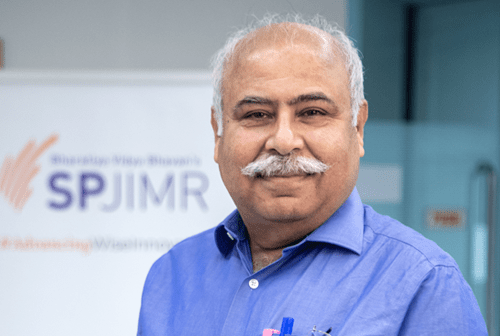
The writer is a journalist and faculty member at SPJIMR. ©The Billion Press