Kathmandu: A seven-member parliamentary sub-committee was set up Wednesday to assess the impact of the devastating Rasuwa flash flood on Nepal’s economy and examine issues related to climate finance, officials said.
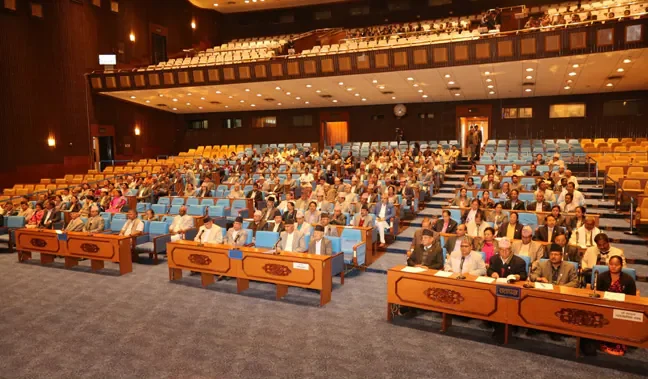
The panel was formed at a meeting of the Finance Committee of the House of Representatives (HoR) held at Singhadurbar, according to officials in the Parliament Secretariat.

Lawmaker Sushila Khadka of the ruling Rastriya Swatantra Party (RSP) will coordinate the sub-committee, which has been tasked with studying the economic impact of the August 26 flash flood on the country as well as issues concerning climate change and climate finance.
Finance Committee Chairman Krishna Hari Budhathoki said the sub-committee has been asked to submit its report by September 18 after conducting the study.
The other members of the panel are Narendra Kumar Kerung of Nepali Congress, Parashu Ram Tamang of Communist Party of Nepal (Chaum), Pushpa Raj Kandel of CPN-UML, and RSP lawmakers Lima Adhikari, Pushpa Chaudhary and Sushant Vaidik.
The flash floods, triggered by an ice-rock avalanche near the Nepal-Tibet border August 26, devastated towns and villages in northern and central Nepal.
The Bhotekoshi River, which flows south from the Himalayan border region, carried the floodwaters downstream, sweeping away homes, vehicles, roads and bridges and damaging hydropower projects.
At least 1,365 people have been killed and more than 5,000 remain missing in the disaster, according to officials.
The formation of the parliamentary panel comes as Nepal assesses the wider economic fallout from the disaster and the need for financial resources to rebuild infrastructure damaged by extreme weather events.
It also comes amidst Nepal launching a diplomatic push to seek climate-related compensation from greenhouse emitters for the devastation caused by the flash floods, with Kathmandu asserting that despite contributing virtually negligible greenhouse gas emissions, the country is bearing the disproportionate consequences of global warming, including rapid glacier melt and extreme mountain disasters.