Odisha News, Odisha Latest news, Odisha Daily - OrissaPOST
  • Home
  • Trending
  • State
  • Metro
  • National
  • International
  • Business
  • Feature
  • Entertainment
  • Sports
  • More..
    • Odisha Special
    • Editorial
    • Opinion
    • Careers
    • Sci-Tech
    • Timeout
    • Horoscope
    • Today’s Pic
  • Video
  • Epaper
  • News in Odia
  • Home
  • Trending
  • State
  • Metro
  • National
  • International
  • Business
  • Feature
  • Entertainment
  • Sports
  • More..
    • Odisha Special
    • Editorial
    • Opinion
    • Careers
    • Sci-Tech
    • Timeout
    • Horoscope
    • Today’s Pic
  • Video
  • Epaper
  • News in Odia
No Result
View All Result
OrissaPOST - Odisha Latest news, English Daily -
No Result
View All Result

Rupee’s free fall: How concerned should we be?

Updated: December 13th, 2025, 08:03 IST
in Opinion
0
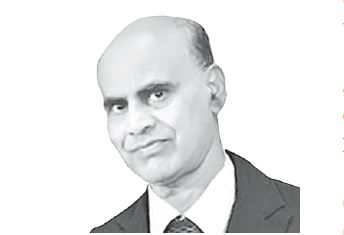
Nalinikanta Dhar

Nalinikanta Dhar

Share on FacebookShare on TwitterShare on WhatsAppShare on Linkedin

By Nalinikanta Dhar

The Indian rupee slipped to a historic low against the US dollar on December 4, 2025, breaching the psychologically significant level of `90 per dollar. The speed of this depreciation has sparked intense concern and debate among policymakers, businesses, and investors. While currency movements are normal in an open economy, the rapid decline of the rupee calls for a closer examination of its causes, implications, and the policy response required to manage potential risks.


Also Read

Bhagirathi Jena

The forgotten home of a Buddha

1 day ago
DRIVERS OF GROWTH

DRIVERS OF GROWTH

1 day ago

In principle, exchange rates are influenced by inflation differentials between countries. However, in reality, many factors affect currency values. In India’s case, apart from inflation, key determinants include the current account balance, global crude oil prices, the strength of the US dollar, domestic economic conditions, geopolitical developments, and the monetary policy stance of the Reserve Bank of India (RBI). Since nearly 60 per cent of global trade is invoiced in US dollars, the focus naturally remains on the rupee-dollar exchange rate.

Historically, the rupee’s depreciation has been gradual and consistent. At the time of India’s independence, one dollar traded at Rs 3.30. This moved to Rs 4.76 in 1960, Rs 7.89 in 1980, Rs 17.50  in 1990, and around `45 in 2000. After the adoption of economic liberalisation in 1991, the rupee depreciated at an average annual rate of roughly 3 per cent. However, the nearly 6 per cent depreciation witnessed in 2025 alone is significantly higher than long-term trends, raising legitimate concerns.

A weaker rupee produces mixed economic outcomes. On the negative side, India relies heavily on imports, particularly crude oil, nearly 70 per cent of which is sourced from abroad. Depreciation raises import costs for fuel, electronics, machinery, pharmaceuticals, and chemicals. Higher costs filter into transportation and manufacturing, increasing inflationary pressures. A weaker currency also raises the burden of servicing external debt and increases government expenditure on interest payments. Indian students studying overseas and citizens travelling abroad also face higher financial strain.

The financial markets often react cautiously to currency weakness. Foreign portfolio investors may reduce their exposure, leading to increased volatility in equity markets. If the RBI raises interest rates to protect the currency or curb inflation, domestic demand and investment could slow, impacting overall economic growth.

However, currency depreciation also carries advantages. Indian exports become more competitive, supporting manufacturing and services exports. Remittances from non-resident Indians rise as each dollar earns more rupees, providing crucial support to the balance of payments. These benefits partially offset the adverse effects of a weaker currency.

Several factors explain the rupee’s recent decline. Elevated US interest rates, currently averaging around 4.5 per cent, have attracted global capital towards dollar-denominated assets. Post-pandemic liquidity tightening has intensified this trend. In 2025, foreign investors reportedly withdrew nearly `1.5 lakh crore from Indian markets. Additionally, higher tariffs imposed by the US on Indian exports have weakened export growth and intensified uncertainty over trade relationships.

Competing emerging economies such as South Korea, Taiwan, Japan, and Indonesia have delivered stronger capital market performance, diverting foreign funds away from India. Foreign direct investment inflows and external commercial borrowings have also moderated, adding pressure on the capital account.

Despite these challenges, India’s macroeconomic fundamentals remain relatively robust. Inflation is projected to stay low, foreign exchange reserves remain adequate, and fiscal indicators compare favourably with other large economies. Corporate earnings are healthy, structural reforms are progressing, and long-term growth prospects remain intact. The RBI’s decision to avoid aggressive currency intervention, while cutting interest rates to support growth, reflects confidence in economic resilience.

In conclusion, the rupee’s depreciation deserves close monitoring but not panic. With prudent policy management, export promotion, and continued structural reforms, India is well-positioned to manage currency volatility while sustaining long-term growth.

The writer is an expert in Economics.
Views are personal.

Orissa POST – Odisha’s No.1 English Daily
Tags: Opinion
ShareTweetSendShare
Suggest A Correction

Enter your email to get our daily news in your inbox.


OrissaPOST epaper Sunday POST OrissaPOST epaper

Click Here: Plastic Free Odisha

#MyPaperBagChallenge

Subhajyoti Mohanty

December 12, 2019
#MyPaperBagChallenge

Rajashree Manasa Mohanty

December 12, 2019
#MyPaperBagChallenge

Swarit Praharaj

December 12, 2019
#MyPaperBagChallenge

Anup Mahapatra

December 12, 2019
#MyPaperBagChallenge

Ipsita

December 12, 2019
#MyPaperBagChallenge

Subhajyoti Mohanty

December 12, 2019
#MyPaperBagChallenge

Manas Samanta

December 12, 2019
#MyPaperBagChallenge

Tapaswini Mallick

December 12, 2019
#MyPaperBagChallenge

Jyotshna Mayee Pattnaik

December 12, 2019
#MyPaperBagChallenge

Tabish Maaz

December 12, 2019
#MyPaperBagChallenge

Praptimayee Biswal

December 12, 2019
#MyPaperBagChallenge

Pratik Kumar Ghibela

December 12, 2019
#MyPaperBagChallenge

Anasuya Sahoo

December 12, 2019
#MyPaperBagChallenge

Pitabas Tripathy

December 12, 2019
#MyPaperBagChallenge

Archit Mohapatra

December 12, 2019
#MyPaperBagChallenge

Lopali Pattnaik

December 12, 2019
#MyPaperBagChallenge

Amritansh Mishra

December 12, 2019
#MyPaperBagChallenge

Akshaya Kumar Dash

December 12, 2019
#MyPaperBagChallenge

Adrita Bhattacharya

December 12, 2019
#MyPaperBagChallenge

Shreyanshu Bal

December 12, 2019
#MyPaperBagChallenge

D Rama Rao

December 12, 2019
#MyPaperBagChallenge

Pragyan Priyambada

December 12, 2019
#MyPaperBagChallenge

Adweeti Bhattacharya

December 12, 2019
#MyPaperBagChallenge

Bijswajit Pradhan

December 12, 2019
#MyPaperBagChallenge

Sisirkumar Maharana

December 12, 2019
#MyPaperBagChallenge

Priyabrata Mohanty

December 12, 2019
#MyPaperBagChallenge

Narendra Kumar

December 12, 2019
#MyPaperBagChallenge

Vandana Singh

December 12, 2019
#MyPaperBagChallenge

Sipra Mishra

December 12, 2019
#MyPaperBagChallenge

Sarmistha Nayak

December 12, 2019

Archives

Editorial

Tightening Screws

Silent Shift
February 7, 2026

By Dilip Cherian Scratch the surface of sarkari rules, and they quickly become about power, career pathways, and the familiar...

Read moreDetails

Trade Truce

February 4, 2026

The fresh Indo-US trade deal announced by US President Donald Trump 2 February will see American tariffs on Indian goods...

Read moreDetails

UK woos China

Xi Jinping
February 3, 2026

China’s President Xi Jinping now finds himself in an enviable position enjoying kind of a special superpower status as countries,...

Read moreDetails

Missed Opportunity

Union budget
February 2, 2026

For an economy plagued by multiple ailments – a daily depreciating currency, growing household debt, high unemployment and inequality, exodus...

Read moreDetails
  • Home
  • State
  • Metro
  • National
  • International
  • Business
  • Editorial
  • Opinion
  • Sports
  • About Us
  • Advertise
  • Contact Us
  • Jobs
Developed By Ratna Technology

© 2025 All rights Reserved by OrissaPOST

  • News in Odia
  • Orissa POST Epaper
  • Video
  • Home
  • Trending
  • Metro
  • State
  • Odisha Special
  • National
  • International
  • Sports
  • Business
  • Editorial
  • Entertainment
  • Horoscope
  • Careers
  • Feature
  • Today’s Pic
  • Opinion
  • Sci-Tech
  • About Us
  • Contact Us
  • Jobs

© 2025 All rights Reserved by OrissaPOST

    • News in Odia
    • Orissa POST Epaper
    • Video
    • Home
    • Trending
    • Metro
    • State
    • Odisha Special
    • National
    • International
    • Sports
    • Business
    • Editorial
    • Entertainment
    • Horoscope
    • Careers
    • Feature
    • Today’s Pic
    • Opinion
    • Sci-Tech
    • About Us
    • Contact Us
    • Jobs

    © 2025 All rights Reserved by OrissaPOST