
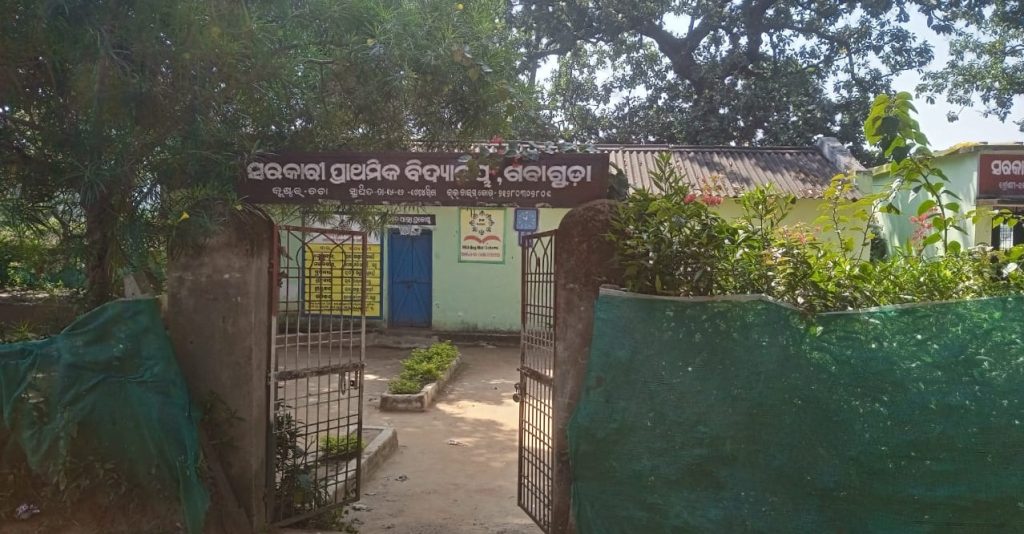
Jharigaon: Despite a host of schemes, tribal students are dropping out of schools in Nabarangpur district, with the rate remaining alarmingly high at 66.66 per cent.
According to census data, about 55.8 per cent of the district’s population belongs to tribal communities. Education is crucial for their overall development, but the penetration of education among tribal children remains unsatisfactory despite programmes such as the Sarva Shiksha Abhiyan, the Mid-Day Meal Scheme, and the Right to Education Act. In Nabarangpur, the school dropout rate among scheduled caste students stands at 18.18 per cent. However, among tribal students, it is alarmingly high at 66.66 per cent.
Among other categories, the rate is 15.16 per cent. This means, out of every 10 students enrolled in Class I, nearly two students drop out before completing Class VIII. The reasons are varied and complex. Poor quality of midday meals, shortage of teachers, inadequate infrastructure, and lack of academic support are among the main factors.
Experts point out a clear gap between official data on tribal school dropouts and the reality on the ground, revealing that much more needs to be done to ensure inclusive and equitable education for all. In several tribal-dominated villages, many children either skip school regularly or drop out midway through their studies. Some attend classes for a few days and stay home for weeks. Though girls often perform better academically than boys, they, too, are irregular in attending school. The government’s mid-day meal scheme, meant to encourage attendance, is reportedly faltering in quality. In some areas, students are served substandard food. With rising prices of vegetables, oil, pulses, and eggs, the government’s allocated budget for meals has become inadequate. Schools are also reportedly receiving less rice than the sanctioned amount.
Also Read: Sambalpuri Dhanu Yatra from Jan 18
As a result, teachers often inflate attendance figures to match the meal records, showing more students present than the actual attendance. Many children from impoverished families skip school to work and help earn a livelihood. Education experts stress that improving the quality of education in tribal and backward areas is critical. They emphasise that not just schooling, but quality education and dedicated teachers are essential. Parents must also be made aware of the importance of education for their children’s future. In several areas, unsafe routes to school and long distances discourage attendance. Intellectuals suggest that government-run buses or transport facilities could solve this problem. Many schools also suffer from a shortage of teachers, with student-teacher ratios falling below prescribed standards. Adding to the problem, several schools lack proper classrooms, secure buildings, clean and usable toilets, safe drinking water, boundary walls, and playgrounds.
Though the Education department conducts monthly cluster-level meetings and teacher training programmes, these efforts are not translating effectively at the school level. Despite multiple government initiatives and training drives, students in tribal-dominated districts like Nabarangpur continue to remain deprived of quality education. When contacted, District Education Officer Chhatrapati Sahu said the number of school dropouts in the district has declined sharply compared to previous years. Sahu said the Education department is working to bring the remaining out-of-school boys and girls back to the classrooms.
Orissa POST – Odisha’s No.1 English Daily