
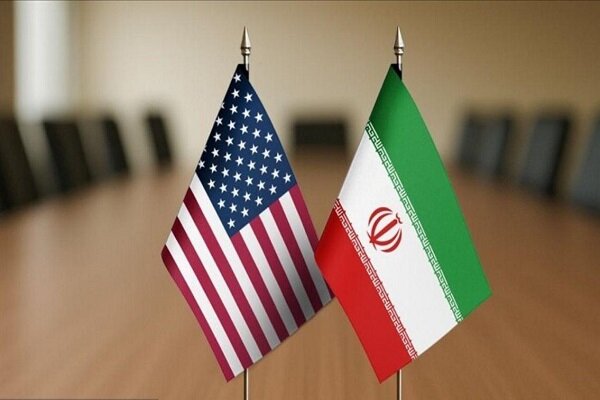
Finally, the much-awaited biggest diplomatic breakthrough in the US-Israel war with Iran has been made with the US and Iran agreeing to a framework extending their ceasefire for 60 days. The formal signing ceremony is expected by 19 June. The world heaved a sigh of relief as the agreement is set to reopen the Strait of Hormuz and thereby ease pressure on global energy markets. It may be noted that the Strait of Hormuz was always open before the war so that is no advantage to the US-Israel combine. Also, as yet, there is no clarity about negotiations over Iran’s nuclear programme. Both the US and Iran have shown prudence enough to take up the most contentious issue of Iran’s nuclear programme over the next two months so as not to torpedo a peace deal.
Till now, all advantages seem to be in favour of Iran. The agreement stipulates restoration of shipping through the Strait of Hormuz, which, before the war, handled about 20% of global oil and liquefied natural gas without any hiccups. However, fully reopening the Strait may not be possible immediately since clearing mines, repairing infrastructure and guaranteeing security could take time before a full return to pre-war shipping volumes. The good news was immediately lapped up on 15 June by the global oil market, and oil prices tumbled, falling to their lowest levels since early March.
Prices plunged despite warnings that it could take months or years to restore the Gulf’s energy production. Reopening oil and gas sites is a complex process, and some of the region’s oil-related infrastructure has been seriously damaged by drone attacks. There is also the question of whether shipping companies and insurers will feel the Strait is safe enough for passage. What has come as reassuring is US President Donald Trump’s declaration authorising toll-free opening of the Strait of Hormuz and immediate removal of the US Naval blockade. The Strait, before the war, never had a toll system.
Significantly, Trump was euphoric over the development and urged “ships of the world to start your engines and let the oil flow.” A key point of disagreement during early ceasefire talks had been whether Lebanon would be included in any deal. Iranian deputy foreign minister Kazem Gharibabadi was, however, unequivocal about the scope of the agreement and asserted that a permanent and immediate end to the war has been declared on all fronts, including Lebanon. Though Trump did not specifically mention the cessation of Israeli hostilities in Lebanon, both Iran and the key negotiator, Pakistan Prime Minister Shehbaz Sharif, claimed permanent termination of military operations on all fronts, including Lebanon, was agreed upon. This role played by the Pak PM has helped his country gain desperately needed international recognition and acceptance.
The Iran deal appears to be the best possible outcome, but the way it has been reached has put the US President’s war campaign with promptings from Israeli Prime Minister Benjamin Netanyahu under question mark. It would have been better if a deal could have been clinched by the US pursuing diplomacy rather than war. The Trump administration, of course, can claim that it decimated key elements of Iran’s military power. But despite these tactical successes and the elimination of key Iranian leaders, the war was a huge failure for the US. Contrary to the US’ objectives for the war, the regime in Iran remains in place. It is emboldened to pursue its goals after its retaliation throughout the Gulf seemingly succeeded. Rather than convince Iran to abandon its nuclear programme, the war may have persuaded the Iranian leadership that a nuclear deterrent is the best way to safeguard its future.
As long as the US stopped short of waging a direct ground war against Iran, the world feared the US war machine could wipe it out of the map. Instead, the war undermined global US prestige through spirited defence with drones and missiles damaging US installations in the Middle East. This is a crucial tactical military victory for Iran that has immensely showcased its enhanced military capabilities like never before. Iran has demonstrated that its longstanding threats to close the Strait are not just bluster, and it can wreak havoc on the global economy. The ability to close the Strait is a potent weapon that Iran will threaten to wield in the future too. It is not without reason that the Iranian leadership is gloating over its success, as the country is going to get back much of its money frozen in foreign banks as US-European sanctions. It is also expecting to get about US$ 30 billion before signing of the deal.
There is a possibility that this ceasefire could pave the way for a more permanent deal, but it could also be, more likely, a temporary and fragile understanding that will, in the best-case scenario, prevent renewed war through the end of this present Trump administration. It seems Iran has gained more from this one-sided war than it expected, while the US has lost more than it feared.