Odisha News, Odisha Latest news, Odisha Daily - OrissaPOST
  • Home
  • Trending
  • State
  • Metro
  • National
  • International
  • Business
  • Feature
  • Entertainment
  • Sports
  • More..
    • Odisha Special
    • Editorial
    • Opinion
    • Careers
    • Sci-Tech
    • Timeout
    • Horoscope
    • Today’s Pic
  • Video
  • Epaper
  • News in Odia
  • Home
  • Trending
  • State
  • Metro
  • National
  • International
  • Business
  • Feature
  • Entertainment
  • Sports
  • More..
    • Odisha Special
    • Editorial
    • Opinion
    • Careers
    • Sci-Tech
    • Timeout
    • Horoscope
    • Today’s Pic
  • Video
  • Epaper
  • News in Odia
No Result
View All Result
OrissaPOST - Odisha Latest news, English Daily -
No Result
View All Result

What lies beyond the rice bowl

Updated: January 8th, 2026, 08:00 IST
in Opinion
0
Mayadhar Sethy

Mayadhar Sethy

Share on FacebookShare on TwitterShare on WhatsAppShare on Linkedin

By Mayadhar Sethy

Step into two neighbouring homes in rural Odisha and the first thing you notice is reassuring. In both kitchens, rice is cooking. On both plates, there is enough to eat. This quiet but significant achievement reflects years of public investment in food security and the steady expansion of the PDS. Hunger, at least in its most visible form, has been pushed back.

Also Read

NO BEIJING MODEL FOR DELHI

2 days ago
Brahma Chellaney

Public office, private gain

2 days ago

But look a little closer at those plates, and another story begins to emerge. In one home, the meal is simple; rice and dal, with a few vegetables. In the other, there is fish curry, leafy greens, and sometimes even fruit. These everyday differences do not take away from the success of India’s food policies. Instead, they highlight the next challenge before us: moving from filling stomachs to nourishing bodies.

A recent study examining the diets of 13,113 households across Odisha between 2011 and 2023 brings this reality into focus. The research shows that while calorie intake has become more equal across social groups, the quality of food people consume remains uneven. In other words, access to food has improved but access to good nutrition has not kept pace.

The patterns are clear. Households from historically marginalised communities consume far less fruit, animal protein, and dairy than socially advantaged households. Measures that capture access to varied, market-based foods show similar gaps. The success of PDS in equalising cereal consumption is undeniable. What now needs attention is everything beyond cereals; vegetables, proteins, and micronutrients that protect children from anaemia, stunting, and lifelong health problems.

One of the most useful contributions of this research is that it points not to failure, but to opportunity. By tracking households over time, it shows where progress has slowed and where policy support could make the greatest difference. Many families remain in low dietary quality brackets year after year, not because they lack motivation, but because structural barriers limit their choices. Recognising these constraints allows governments to sharpen existing programmes rather than reinvent them.

The study also challenges a common assumption: that rising incomes alone will solve nutrition gaps. Even when households earn similar amounts, differences in diet persist. This makes it clear that nutrition is shaped not just by money, but by access; access to markets, infrastructure, and reliable food supply chains. These are areas where public policy already has a strong foothold.

Geography plays a crucial role here. Families in marginalised settlements often live farther from markets, making fresh vegetables, fruits, and dairy more expensive and harder to obtain. Addressing this last-mile gap; through mobile markets, local cold storage, better transport, and improved rural connectivity could dramatically improve diets. Encouragingly, such measures align closely with ongoing investments in rural infrastructure and livelihoods.

India’s changing food landscape adds urgency to this task. Processed and packaged foods are becoming available everywhere, but healthy diversity is not. This moment presents both a risk and an opportunity. With the right mix of nutrition awareness and support for affordable fresh foods, dietary change can be guided in healthier directions. Initiatives like the Odisha Millets Mission show what is possible—reviving traditional, climate-resilient crops that are nutritious, locally suited, and empowering for farmers, especially in tribal and rain-fed regions.

The public health implications are well known. Odisha continues to grapple with child stunting and wasting, and improving everyday diets is central to addressing these challenges. Programmes such as POSHAN Abhiyaan already provide a strong institutional framework. With sharper focus on inclusion, last-mile delivery, and monitoring, these initiatives can achieve even greater impact.

Seen this way, the evidence from Odisha is not a critique of government intent, but a roadmap for the future. It shows how far food policy has come and how much more it can achieve.

As Odisha and India move towards ambitious development milestones, success will be measured in small, everyday ways. When a child in Kalahandi sits down to a meal as varied and nutritious as a child in Bhubaneswar, it will signal not just economic progress, but social confidence and maturity. Building on existing achievements and guided by evidence, governments today have a real opportunity to ensure that India’s nutrition story is not only a story of quantity, but also of quality, equity, and hope.

The writer is ICSSR Doctoral Fellow, Nabakrushna Choudhury Centre for Development Studies, Bhubaneswar.

Orissa POST – Odisha’s No.1 English Daily
Tags: Opinion
ShareTweetSendShare
Suggest A Correction

Enter your email to get our daily news in your inbox.

Advertisement


OrissaPOST epaper Sunday POST OrissaPOST epaper

Click Here: Plastic Free Odisha

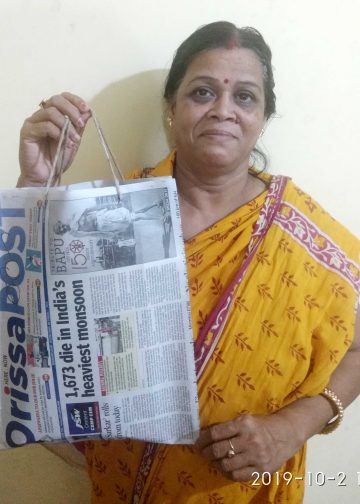
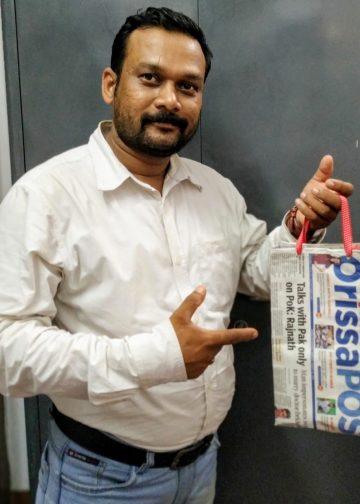
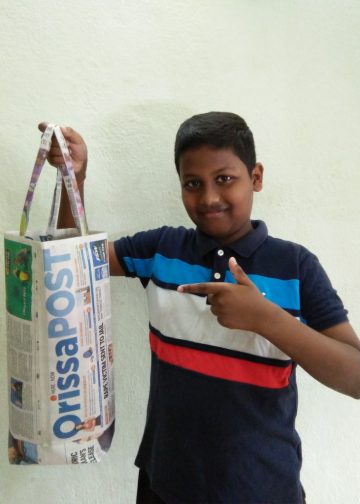
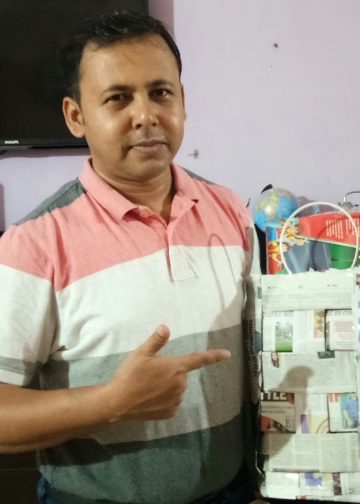
#MyPaperBagChallenge

Pragyan Priyambada

December 12, 2019
#MyPaperBagChallenge

Rajashree Pravati Mohanty

December 12, 2019
#MyPaperBagChallenge

Tabish Maaz

December 12, 2019
#MyPaperBagChallenge

Diptiranjan Biswal

December 12, 2019
#MyPaperBagChallenge

Sarfraz Ahmad

December 12, 2019
#MyPaperBagChallenge

Tapaswini Mallick

December 12, 2019
#MyPaperBagChallenge

Pratyasharani Ghibela

December 12, 2019
#MyPaperBagChallenge

Mrutyunjaya Behera

December 12, 2019
#MyPaperBagChallenge

Bijswajit Pradhan

December 12, 2019
#MyPaperBagChallenge

Surya Sidhant Rath

December 12, 2019
#MyPaperBagChallenge

Swarit Praharaj

December 12, 2019
#MyPaperBagChallenge

Anshuman Sahoo

December 12, 2019
#MyPaperBagChallenge

Rajashree Manasa Mohanty

December 12, 2019
#MyPaperBagChallenge

Chinmay Kumar Routray

December 12, 2019
#MyPaperBagChallenge

Ankita Balabantray

December 12, 2019
#MyPaperBagChallenge

Lopali Pattnaik

December 12, 2019
#MyPaperBagChallenge

Aman Kumar Barisal

December 12, 2019
#MyPaperBagChallenge

Aishwarya Ranjan Mohanty

December 12, 2019
#MyPaperBagChallenge

Akriti Negi

December 12, 2019
#MyPaperBagChallenge

D Rama Rao

December 12, 2019
#MyPaperBagChallenge

Geetanjali Patro

December 12, 2019
#MyPaperBagChallenge

Priyabrata Mohanty

December 12, 2019
#MyPaperBagChallenge

Faiza Firdous

December 12, 2019
#MyPaperBagChallenge

Anasuya Sahoo

December 12, 2019
#MyPaperBagChallenge

Shreyanshu Bal

December 12, 2019
#MyPaperBagChallenge

Subhajyoti Mohanty

December 12, 2019
#MyPaperBagChallenge

Nishikant Rout

December 12, 2019
#MyPaperBagChallenge

Archana Parida

December 12, 2019
#MyPaperBagChallenge

Archit Mohapatra

December 12, 2019
#MyPaperBagChallenge

Praptimayee Biswal

December 12, 2019

Archives

Editorial

Policy Paralysis

Silent Shift
January 10, 2026

By Dilip Cherian Forget the slogans. The story isn’t about “opening the doors” to experts so much as about how...

Read moreDetails

New Axis Powers

January 7, 2026

Appeasement or tacit approval of invasion and capture of foreign land helped the rise of Adolf Hitler and the formation...

Read moreDetails

New Divide

Rajnath Singh
January 6, 2026

Union Defence Minister Rajnath Singh recently, at a gathering at Udaipur’s Bhupal Nobles’ University, sought to brand the ‘educated’ citizens...

Read moreDetails

Only Energy

Venezuela
January 5, 2026

It was a moment of geopolitical déjà vu. On the same calendar day, separated by thirty-six years, United States forces...

Read moreDetails
  • Home
  • State
  • Metro
  • National
  • International
  • Business
  • Editorial
  • Opinion
  • Sports
  • About Us
  • Advertise
  • Contact Us
  • Jobs
Developed By Ratna Technology

© 2025 All rights Reserved by OrissaPOST

  • News in Odia
  • Orissa POST Epaper
  • Video
  • Home
  • Trending
  • Metro
  • State
  • Odisha Special
  • National
  • International
  • Sports
  • Business
  • Editorial
  • Entertainment
  • Horoscope
  • Careers
  • Feature
  • Today’s Pic
  • Opinion
  • Sci-Tech
  • About Us
  • Contact Us
  • Jobs

© 2025 All rights Reserved by OrissaPOST

    • News in Odia
    • Orissa POST Epaper
    • Video
    • Home
    • Trending
    • Metro
    • State
    • Odisha Special
    • National
    • International
    • Sports
    • Business
    • Editorial
    • Entertainment
    • Horoscope
    • Careers
    • Feature
    • Today’s Pic
    • Opinion
    • Sci-Tech
    • About Us
    • Contact Us
    • Jobs

    © 2025 All rights Reserved by OrissaPOST