MANOJ KUMAR JENA, OP
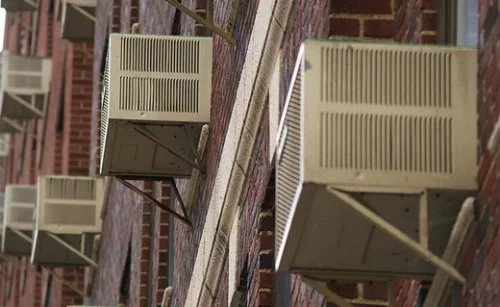
As the world observes World Environment Day to raise awareness about environmental threats such as urbanisation, global warming and climate change, concerns are mounting over how these factors are impacting nature through untimely floods, landslides and increasingly unbearable summers. This year, the summer season has wreaked havoc, with frequent power outages being reported across the state. The government has attributed the disruptions to heavy electricity demand, which led to system overload and consequent power cuts. While the severe heatwave has made ACs a necessity in many homes, experts warn that their growing use is gradually contributing to greenhouse gases and rising temperatures.


Suraj K Tripathy, Associate Dean (Academics) at the School of Chemical Technology, Kalinga Institute of Industrial Technology (KIIT), said, “With urbanisation, income growth, urban development and rising property values, India has become one of the fastest-growing markets for air conditioning. In periods of extreme heatwaves, growing AC use leads to an increased demand for coal-generated electricity, resulting in higher greenhouse gas emissions.” Tripathy further explained that air conditioners cool indoor spaces by transporting heat outdoors and releasing it into the atmosphere. This contributes to the urban heat island effect, where cities become warmer than surrounding rural regions.

Speaking about the adverse effects of ACs on health, skin specialist Dr Hara Prasanna Tripathy said, “Excessive AC exposure makes the skin dry as it reduces moisture in the room. AC also makes the skin sensitive and reduces its tolerance level, causing people to lose the ability to adapt to temperatures beyond the normal range, making it challenging for them to cope with outdoor conditions. During summers, this situation becomes worse as they cannot survive without AC.”

Flagging additional health concerns associated with AC use, Dr Sangram Keshari Mohapatra, Senior Consultant in Pulmonary Medicine at KIMS Hospital, said, “Air conditioners provide relief from heat, but prolonged exposure to dry AC air can lead to dry cough, throat irritation and discomfort. Poorly maintained or old AC units and coolers may harbour bacteria, fungi and moulds, increasing the risk of respiratory infections and allergies. Sudden exposure to cold air can also trigger bronchospasm in susceptible individuals, worsening asthma symptoms. People prone to allergies may experience allergic rhinitis, including sneezing, nasal congestion and a runny nose. Regular maintenance of cooling systems and maintaining optimal indoor humidity are essential to minimise these health risks.”

Environmentalist Himanshu Sekhar Nayak stressed the need for increased plantation, particularly in urban areas, to counter the heat generated by widespread AC usage. “AC demands more energy, which puts pressure on the power system and prompts power stations to burn more coal. In such a situation, people should adopt solar energy solutions. Besides, consumers should always opt for five-star energy-efficient ACs. Most importantly, plantation of trees is essential.

Areas with dense tree cover usually feel cooler. If urban residents take responsibility for conserving and planting more trees, it will help reduce the heat. It is high time people actively engaged in restoring greenery in urban areas,” he said. According to official State Load Despatch Centre (SLDC) data, the peak power demand for May 21 stood at 8,313 MW, compared to 6,728 MW during the same period last year. Similarly, the energy demand for May 24 this year reached 8,107 MW, against 5,957 MW in 2025. The sharp rise in electricity consumption has sparked concerns, with the government pointing to the excessive use of air conditioners (ACs) as a major factor behind the surge in demand.
Orissa POST – Odisha’s No.1 English Daily