As Parliament prepares to convene for the Monsoon Session on Monday, 20 July, the Modi government stands accused of shrinking the space for democratic dissent. The police intervention to end activist and educationist Sonam Wangchuk’s 21-day hunger strike at Jantar Mantar paints a disturbing picture. Wangchuk’s hunger strike demanding the resignation of Union Education Minister Dharmendra Pradhan over the alleged NEET paper leak was far more than an agitation by a public figure. It represented the anger and anxiety of lakhs of students and parents who have watched the credibility of India’s competitive examination system suffer repeated blows. Instead of engaging with the protesters, the government decided to have the fasting activist removed by the police and shifted to a hospital. While the government may argue that the intervention was prompted by humanitarian concerns, the timing and manner of the action have inevitably raised questions about its willingness to engage with criticism rather than merely manage it.
The episode is significant not because it involved a well-known public figure but because it reflected the deep unease surrounding India’s current situation on most fronts, including the examination system. The alleged irregularities in the NEET examination have shaken the confidence of lakhs of students and parents. For many, the issue is not confi ned to a single examination or the fate of one minister. It concerns the credibility of institutions that determine the future of an entire generation. The demand for the resignation of Dharmendra Pradhan was simply to force the government to accept responsibility and be accountable.
Also Read


Whether one agrees with Wangchuk’s demand for the education minister’s resignation or not, in a constitutional democracy, peaceful protest is among the most legitimate means of compelling governments to explain their actions. While the government is under no obligation to concede every demand, it is expected to respond with openness, dialogue and reasoned explanation.
The government’s handling of the NEET controversy has already invited criticism over delays in acknowledging the scale of the problem and reassuring students. The Wangchuk episode risks reinforcing the impression that the government is treating the issue primarily as a public relations (PR) challenge rather than a crisis of institutional credibility and accountability.
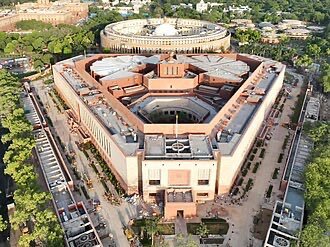
An all-party meeting held Sunday, 19 July, traditionally meant to build consensus and ensure the smooth functioning of Parliament, witnessed the entire Opposition staging a symbolic walkout. Their protest was directed against the invitation extended to the 20 rebel Trinamool Congress MPs and against Lok Sabha Speaker Om Birla’s decision to allot them separate seating despite the absence of a final ruling on their merger with the little-known National Citizens Party of India (NCPI). The Opposition also questioned the Speaker’s approval of the merger of rebel Shiv Sena (UBT) MPs with the Eknath Shinde-led Shiv Sena while related disputes continue to generate political and legal controversy. An institution designed to promote consensus has, instead, become another theatre of mistrust. Whether the Speaker’s decisions are ultimately found to be legally sustainable is a matter for constitutional processes. However, constitutional authorities derive their legitimacy not merely from legal powers but from public confidence in their impartiality. Any perception that parliamentary procedures are being interpreted selectively to benefit the ruling establishment weakens faith in the institution itself.
These developments assume even greater significance because the government is expected to pursue an ambitious legislative agenda. At the centre is another attempt to pass the Constitution Amendment Bill providing 33 per cent reservation for women in Parliament and state legislatures through a fresh delimitation exercise that would result in an increase in Lok Sabha seats. The linkage with delimitation has generated legitimate concerns among the prosperous Southern states that fear losing political representation and weight to the less developed Northern states despite their success in population control. Constitutional changes of such magnitude require broad national consensus rather than reliance on shifting parliamentary numbers achieved through defections and political realignments engineered by threat and allurements.
For its part, the Opposition is expected to raise questions on do nations swindling at the Ram temple in Ayodhya, inflation, public outrage over ethanol-blended fuel, and the growing capture of democratic institutions. At the same time, the Opposition must resist the temptation to reduce every disagreement to disruption. Frequent adjournments and slogan shouting rarely advance accountability. A vigilant Opposition serves democracy best by exposing weaknesses through informed debate, meticulous questioning and sustained legislative engagement.
Yet the greater burden inevitably rests with the government. Parliamentary majority confers the authority to govern, not the license to avoid scrutiny. The government’s legislative priorities are undoubtedly important, but Parliament’s foremost duty is to hold the executive accountable. Accountability seems to have been thrown out of the window in India currently.