
By Arindam Ganguly, OP
Bhubaneswar: As Bhubaneswar expands with new residential colonies, commercial complexes and concrete infrastructure, kitchen gardens could offer a simple way to address some of the challenges of urban growth—from rising temperatures and shrinking green spaces to reliance on outside sources for fresh vegetables.
On World Kitchen Garden Day, urban planners, civic authorities and residents are highlighting the potential of rooftops, balconies and other unused spaces to create productive urban green zones.
Urban planner Piyush Ranjan Rout believes kitchen gardens should be treated as an important part of sustainable urban planning, rather than merely a hobby.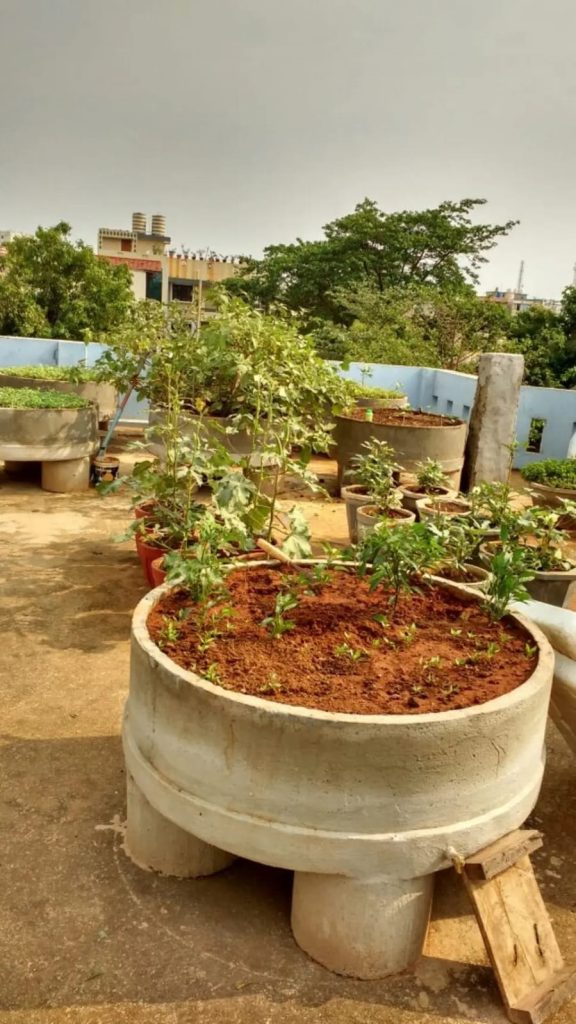

“Bhubaneswar should aim to produce a significant share of its daily vegetable needs within the city. This would reduce dependence on external supply chains and strengthen local food security. Communities should be incentivised to adopt kitchen gardening, while master plans should earmark public spaces for growing vegetables for household consumption and local needs,” Rout said.
Kitchen gardens can also help tackle the growing problem of urban heat. “Growing plants on building exteriors and balconies can help lower ambient temperatures and cool dense urban heat islands,” he said.
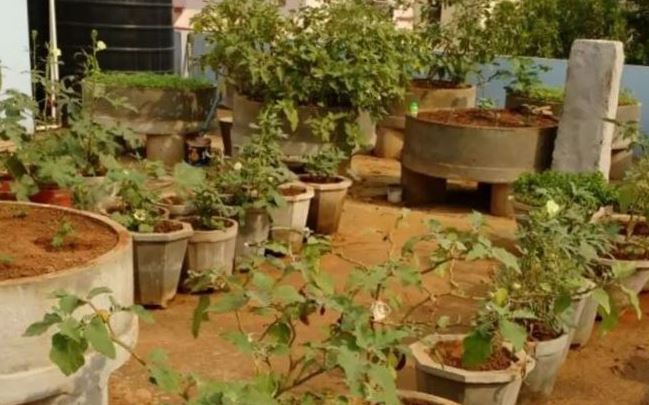
Rout practises what he preaches. “As an urban planner, I often test my ideas at home. We have kitchen gardens on the rooftop, ground and balconies, where we grow seasonal fruits and vegetables using home-made organic manure. This year, we harvested dragon fruit for the first time from our rooftop garden,” he said.
For residents, rooftop gardening is already transforming urban living. Usharani Panigrahi grows a variety of plants and vegetables on her rooftop, including the distinctive Rajasthani chilli.
“Growing fresh produce organically and experimenting with different varieties brings nature closer to our homes,” she said.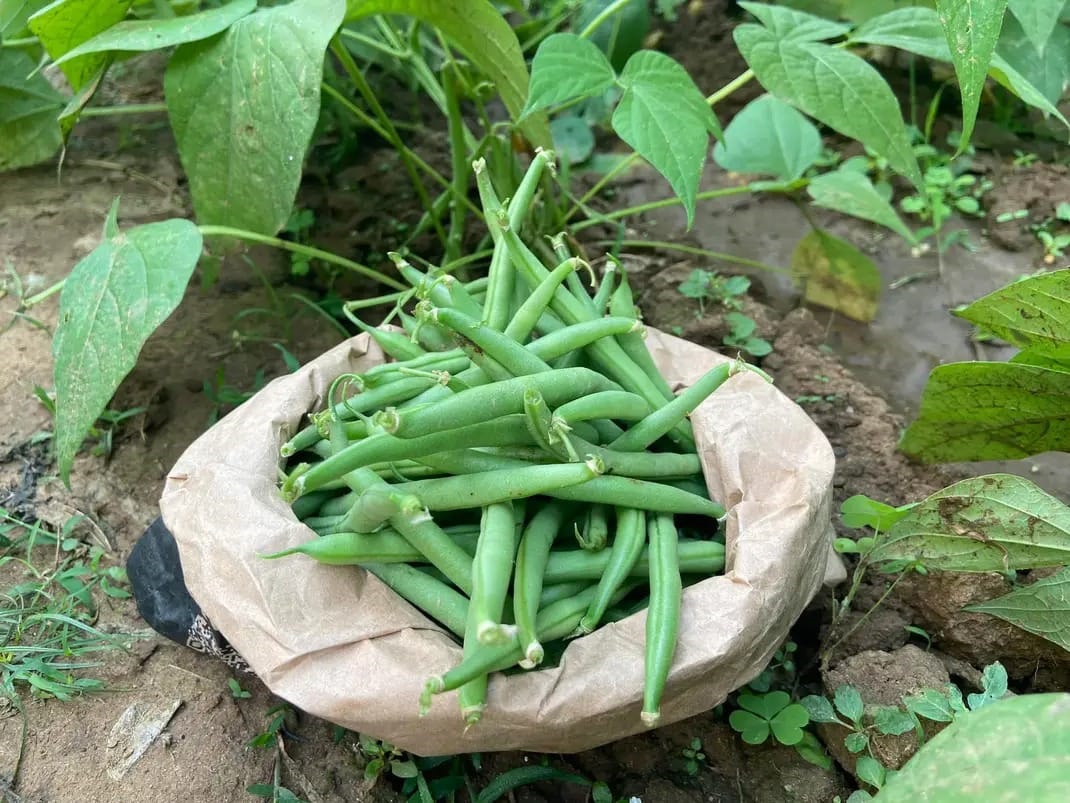

In Samantarapur, Ratikant Babu and his family have turned their rooftop into a thriving green space, showing how a little motivation and care can transform unused urban spaces into productive gardens.
Another resident, AK Parida, said the growing enthusiasm among city residents for urban farming is encouraging.
Beyond fresh food, kitchen gardens can serve as learning spaces for children, promote environmental awareness and reconnect families with nature.
“Kitchen waste such as vegetable peels, fruit and flower waste can be turned into valuable organic compost. BMC supports this through ‘Mo Khata’, compost produced from household wet waste at Micro Composting Centres,” the official said.