Odisha News, Odisha Latest news, Odisha Daily - OrissaPOST
  • Home
  • Trending
  • State
  • Metro
  • National
  • International
  • Business
  • Feature
  • Entertainment
  • Sports
  • More..
    • Odisha Special
    • Editorial
    • Opinion
    • Careers
    • Sci-Tech
    • Timeout
    • Horoscope
    • Today’s Pic
  • Video
  • Epaper
  • News in Odia
  • Home
  • Trending
  • State
  • Metro
  • National
  • International
  • Business
  • Feature
  • Entertainment
  • Sports
  • More..
    • Odisha Special
    • Editorial
    • Opinion
    • Careers
    • Sci-Tech
    • Timeout
    • Horoscope
    • Today’s Pic
  • Video
  • Epaper
  • News in Odia
No Result
View All Result
OrissaPOST - Odisha Latest news, English Daily -
No Result
View All Result

Coronavirus is not man-made, it has natural origins, say scientists

IANS
Updated: March 18th, 2020, 11:08 IST
in Coronavirus, Feature
0
Balasore has sent 89 swab samples for COVID-19 test
Share on FacebookShare on TwitterShare on WhatsAppShare on Linkedin

New York: Ending speculations about deliberate genetic engineering of new coronavirus, scientists from the Scripps Research Institute, a non-profit research organization, have claimed that the COVID-19 pandemic is not from a lab-created virus but has a natural origin.

The novel SARS-CoV-2 coronavirus that emerged in the city of Wuhan, China last year and has since caused a large scale COVID-19 epidemic is the product of natural evolution.


Also Read

Ultrasound, kidney stones

Want healthy kidneys for life? Follow these five simple habits

4 days ago
Viral video of Delhi Police

Viral video shows Delhi Police urging CJP organisers to make crowd-control arrangements

4 days ago

The analysis of public genome sequence data from SARS-CoV-2 and related viruses found no evidence that the virus was made in a laboratory or otherwise engineered, according to findings published today in the journal Nature Medicine.

“By comparing the available genome sequence data for known coronavirus strains, we can firmly determine that SARS-CoV-2 originated through natural processes,” said Kristian Andersen, an associate professor of immunology and microbiology at Scripps Research and corresponding author on the paper.

The first known severe illness caused by a coronavirus emerged with the 2003 Severe Acute Respiratory Syndrome (SARS) epidemic in China. A second outbreak of severe illness began in 2012 in Saudi Arabia with the Middle East Respiratory Syndrome (MERS).

December 31 last year, Chinese authorities alerted the World Health Organization of an outbreak of a novel strain of coronavirus causing severe illness, which was subsequently named SARS-CoV-2.

The coronavirus has now spread to more than 150 countries, infecting more than 184,000 and killing over 7,500 people.

Shortly after the epidemic began, Chinese scientists sequenced the genome of SARS-CoV-2 and made the data available to researchers worldwide.

The resulting genomic sequence data has shown that Chinese authorities rapidly detected the epidemic and that the number of COVID-19 cases have been increasing because of human to human transmission after a single introduction into the human population.

Andersen and collaborators at several other research institutions used this sequencing data to explore the origins and evolution of SARS-CoV-2 by focusing in on several tell-tale features of the virus.

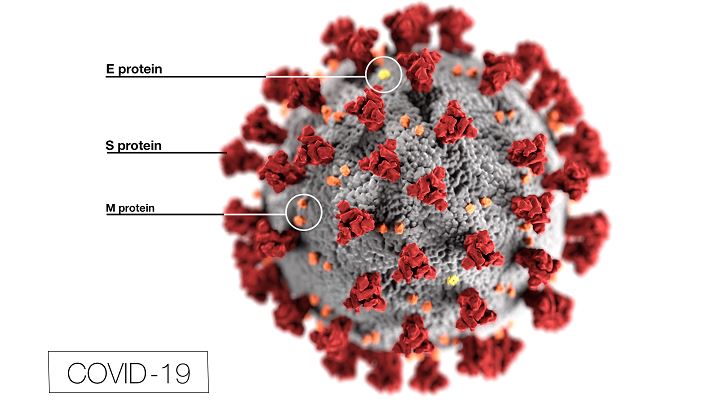
The scientists analyzed the genetic template for spike proteins, armatures on the outside of the virus that it uses to grab and penetrate the outer walls of human and animal cells.

This evidence for natural evolution was supported by data on SARS-CoV-2’s backbone – its overall molecular structure.

If someone were seeking to engineer a new coronavirus as a pathogen, they would have constructed it from the backbone of a virus known to cause illness.

But the scientists found that the SARS-CoV-2 backbone differed substantially from those of already known coronaviruses and mostly resembled related viruses found in bats and pangolins.

Josie Golding, PhD, epidemics lead at UK-based Wellcome Trust, said the findings by Andersen and his colleagues are “crucially important to bring an evidence-based view to the rumors that have been circulating about the origins of the virus (SARS-CoV-2) causing COVID-19.”

“They conclude that the virus is the product of natural evolution,” Goulding said.

Based on their genomic sequencing analysis, Andersen and his collaborators concluded that the most likely origins for SARS-CoV-2 followed one of two possible scenarios.

In one scenario, the virus evolved to its current pathogenic state through natural selection in a non-human host and then jumped to humans.

This is how previous coronavirus outbreaks have emerged, with humans contracting the virus after direct exposure to civets (SARS) and camels (MERS).

The researchers proposed bats as the most likely reservoir for SARS-CoV-2 as it is very similar to a bat coronavirus.

“There are no documented cases of direct bat-human transmission, however, suggesting that an intermediate host was likely involved between bats and humans,” the authors noted.

In this case, the current pandemic would probably have emerged rapidly as soon as humans were infected, as the virus would have already evolved the features that make it pathogenic and able to spread between people.

In the other proposed scenario, a non-pathogenic version of the virus jumped from an animal host into humans and then evolved to its current pathogenic state within the human population.

If the SARS-CoV-2 entered humans in its current pathogenic form from an animal source, it raises the probability of future outbreaks, as the illness-causing strain of the virus could still be circulating in the animal population and might once again jump into humans.

IANS

Tags: Coronaviruscovid19MERSSARSSARS-CoV-2
ShareTweetSendShare
Suggest A Correction

Enter your email to get our daily news in your inbox.


Mettle Meet 2026
OrissaPOST epaper Sunday POST OrissaPOST epaper

Click Here: Plastic Free Odisha

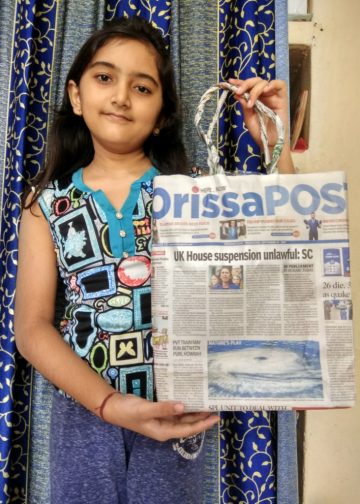
#MyPaperBagChallenge

Debasis Mohanty

December 12, 2019
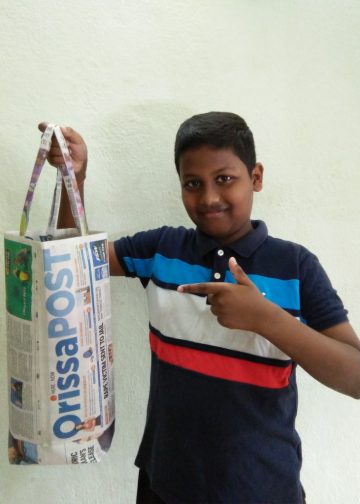
#MyPaperBagChallenge

Pratyasharani Ghibela

December 12, 2019
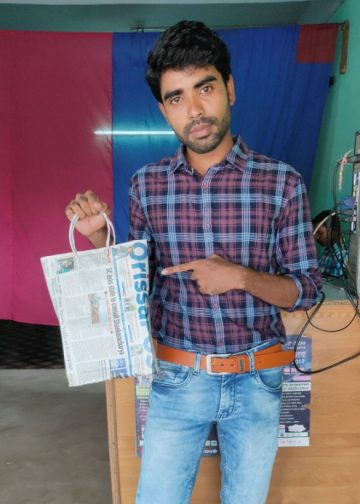
#MyPaperBagChallenge

Sarfraz Ahmad

December 12, 2019
#MyPaperBagChallenge

Smitarani Sahoo

December 12, 2019
#MyPaperBagChallenge

Manas Samanta

December 12, 2019
#MyPaperBagChallenge

Bijswajit Pradhan

December 12, 2019
#MyPaperBagChallenge

Mandakini Dakua

December 12, 2019
#MyPaperBagChallenge

Sisirkumar Maharana

December 12, 2019
#MyPaperBagChallenge

Praptimayee Biswal

December 12, 2019
#MyPaperBagChallenge

Parbati Mohanty

December 12, 2019
#MyPaperBagChallenge

Geetanjali Patro

December 12, 2019
#MyPaperBagChallenge

Keshab Chandra Rout

December 12, 2019
#MyPaperBagChallenge

Surya Sidhant Rath

December 12, 2019
#MyPaperBagChallenge

Pratik Kumar Ghibela

December 12, 2019
#MyPaperBagChallenge

Akriti Negi

December 12, 2019
#MyPaperBagChallenge

Adweeti Bhattacharya

December 12, 2019
#MyPaperBagChallenge

Anshuman Sahoo

December 12, 2019
#MyPaperBagChallenge

Mrutyunjaya Behera

December 12, 2019
#MyPaperBagChallenge

Subhajyoti Mohanty

December 12, 2019
#MyPaperBagChallenge

Jyotshna Mayee Pattnaik

December 12, 2019
#MyPaperBagChallenge

Faiza Firdous

December 12, 2019
#MyPaperBagChallenge

Sipra Mishra

December 12, 2019
#MyPaperBagChallenge

Lopali Pattnaik

December 12, 2019
#MyPaperBagChallenge

Anasuya Sahoo

December 12, 2019
#MyPaperBagChallenge

Aishwarya Ranjan Mohanty

December 12, 2019
#MyPaperBagChallenge

Nishikant Rout

December 12, 2019
#MyPaperBagChallenge

Chinmay Kumar Routray

December 12, 2019
#MyPaperBagChallenge

Ipsita

December 12, 2019
#MyPaperBagChallenge

Ramakanta Sahoo

December 12, 2019
#MyPaperBagChallenge

Pitabas Tripathy

December 12, 2019

Archives

Editorial

ISI After NEET

August 5, 2026

The Centre is courting yet another controversy by introducing a Bill in the Lok Sabha that seeks to fundamentally alter...

Read moreDetails

A Quiet Shift

Prashant Kishor
August 4, 2026

Change rarely arrives announced. But when a popular movement stirs, transformation can sweep in like a tide. The recent by-election...

Read moreDetails

Desperate Measures

Indian currency
August 3, 2026

The Reserve Bank of India (RBI) selling about $7 billion in a single trading session to arrest the rupee’s slide...

Read moreDetails

Selling Global Dreams

Aakar Patel
August 2, 2026

By Aakar Patel Mother of Democracy is standing for a non-permanent elected seat at the United Nations Security Council. Non-permanent...

Read moreDetails
  • Home
  • State
  • Metro
  • National
  • International
  • Business
  • Editorial
  • Opinion
  • Sports
  • About Us
  • Advertise
  • Contact Us
  • Jobs
Developed By Ratna Technology

© 2025 All rights Reserved by OrissaPOST

  • News in Odia
  • Orissa POST Epaper
  • Video
  • Home
  • Trending
  • Metro
  • State
  • Odisha Special
  • National
  • International
  • Sports
  • Business
  • Editorial
  • Entertainment
  • Horoscope
  • Careers
  • Feature
  • Today’s Pic
  • Opinion
  • Sci-Tech
  • About Us
  • Contact Us
  • Jobs

© 2025 All rights Reserved by OrissaPOST

    • News in Odia
    • Orissa POST Epaper
    • Video
    • Home
    • Trending
    • Metro
    • State
    • Odisha Special
    • National
    • International
    • Sports
    • Business
    • Editorial
    • Entertainment
    • Horoscope
    • Careers
    • Feature
    • Today’s Pic
    • Opinion
    • Sci-Tech
    • About Us
    • Contact Us
    • Jobs

    © 2025 All rights Reserved by OrissaPOST