Julia Gillard
The threat COVID-19 poses to human health is now well understood around the world. In contrast, the enormous health threat of global warming, with its broad array of persistent impacts on our well-being, is under-recognised and poorly understood.
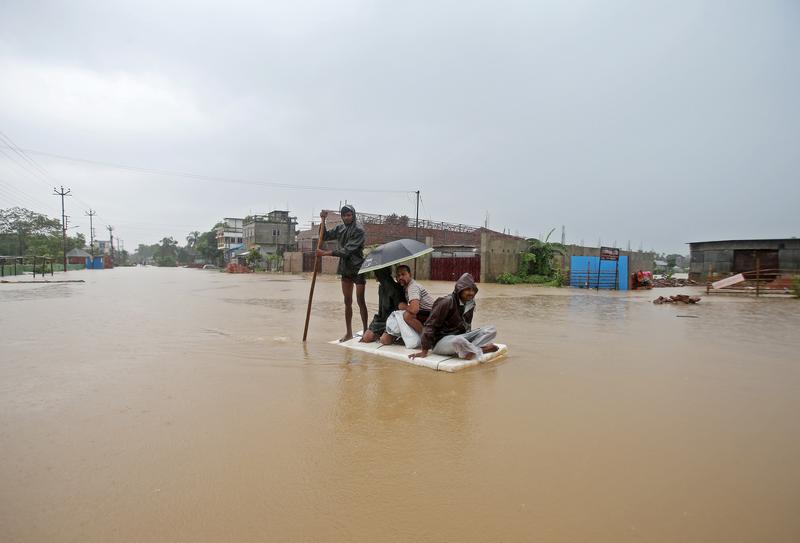
Yet climate change is harming human health right now. During the 2020 monsoon season in Bangladesh, for example, water flooded a quarter of the country. More than 1.3 million homes were damaged, and hundreds of people died. Rising sea levels caused by climate change will make such events more frequent in low-lying countries like Bangladesh. It also will bring the risk of flooding on a similar scale to more communities around the world.
Also Read


Severe floods do more than destroy homes. They cause raw sewage to flow into streets and contaminate drinking water, spreading infection. They also destroy crops, driving malnutrition. And rising sea levels turn drinking water saltier, which increases rates of high blood pressure, pre-eclampsia, and premature births.
These are hardly the only health risks implied by climate change. Hotter temperatures lead to a higher incidence of heatstroke. And prolonged droughts, just like severe floods, reduce agricultural productivity and output.
The many ways global warming will affect our health are not yet fully understood. But its influence is becoming clearer as the changes to our environment become more dramatic.
The world urgently needs a global strategy to minimise climate-related illness and death in the coming decades. As with the COVID-19 pandemic, developing effective solutions will require governments to work with scientists. Part of any effective approach will be aimed at limiting future warming, and part will be aimed at adapting to a hotter climate. But both imperatives must be pursued in ways that protect – or even enhance – public health.
The United Nations Climate Change Conference (COP26) currently underway in Glasgow is an ideal opportunity for world leaders to demonstrate that they understand that global warming is a health crisis, and that they are learning from the successes and shortcomings of the pandemic response. In less than two years, COVID-19 has caused millions of deaths and disrupted our lives. We have seen scientists, governments, and companies cooperate to develop diagnostics, therapies, and vaccines. But we have also seen how narrow national interests and socioeconomic inequality can limit access to affordable options, prolonging the crisis.
World leaders meeting at COP26 have a perfect opportunity to show that they understand climate change is not only an urgent environmental challenge, but also one of the most urgent health challenges we have ever faced.
Governments are not in this fight alone. Civil-society organisations need to support efforts in the coming decades to address the health challenges brought about by climate change. We must build a collaborative global process that generates, values, and – most importantly – uses scientific evidence to act on climate change and improve health for everyone. At the Wellcome Trust, we are committed to funding research that enables us to better understand and address the negative effects of global warming on health. We will also advocate strongly for evidence and research to be at the heart of policymaking.
As with any health threat, prevention is better than a cure. There will not be a vaccine to inoculate people against the effects of heat waves, wildfires, droughts, or severe floods, so reducing the rate at which the global temperature is rising is the best preventive measure we have. That means reducing greenhouse-gas emissions.
Fortunately, cutting emissions can have a direct, positive effect on health. For example, the global transition from fossil fuels to renewable energy could increase average life expectancy globally by at least one year. Similarly, widespread adoption of diets rich in vegetables and low in meat will reduce greenhouse gases and decrease the risk of heart disease, cancer, and dementia.
But while cutting emissions will reduce future harm, it will not eliminate the health threats that are already implied by decades of global warming. We have no choice but to adapt to life on a warmer planet.
In response to the growing threat of floods, for instance, many coastal communities – including in Kenya, the United States, and Vietnam – are planting mangrove forests. Mangroves can grow in salt water, and they provide some defence against flooding. They also encourage biodiversity and can support fisheries and floating vegetable gardens.
The task now is to design a series of creative options that people around the world can use to decide how best to protect themselves and their communities. Treating the inevitable symptoms of a hotter planet and helping communities adapt is the responsibility of local governments, but we also need a level of international coordination and new knowledge generation that can be delivered only by an agreed global strategy on climate and health.
It won’t be easy, and time is not on our side. But science is.
The writer, a former Prime Minister of Australia, is Chair of the Wellcome Trust. ©Project Syndicate.