Odisha News, Odisha Latest news, Odisha Daily - OrissaPOST
  • Home
  • Trending
  • State
  • Metro
  • National
  • International
  • Business
  • Feature
  • Entertainment
  • Sports
  • More..
    • Odisha Special
    • Editorial
    • Opinion
    • Careers
    • Sci-Tech
    • Timeout
    • Horoscope
    • Today’s Pic
  • Video
  • Epaper
  • News in Odia
  • Home
  • Trending
  • State
  • Metro
  • National
  • International
  • Business
  • Feature
  • Entertainment
  • Sports
  • More..
    • Odisha Special
    • Editorial
    • Opinion
    • Careers
    • Sci-Tech
    • Timeout
    • Horoscope
    • Today’s Pic
  • Video
  • Epaper
  • News in Odia
No Result
View All Result
OrissaPOST - Odisha Latest news, English Daily -
No Result
View All Result

Institutional Shield

Updated: January 3rd, 2026, 08:00 IST
in Edit
0
Share on FacebookShare on TwitterShare on WhatsAppShare on Linkedin

By Dilip Cherian

India-Bangladesh relations today feel like they’re running on muscle memory, while politics keeps tugging at the steering wheel.


Also Read

Silent Killer

5 days ago

Silent Complicity

6 days ago

For years, the relationship worked because institutions, security agencies, and seasoned diplomats on both sides quietly did the heavy lifting. Now, when tempers flare and rhetoric rises, their experience matters more than ever. Thankfully, India has a formidable bench of people who understand Bangladesh beyond the headlines.

Look at the depth of institutional memory India possesses. Former R&AW hands such as Amitabh Mathur, Amar Bhushan, Ravi (C.K.) Sinha, Shashi Bhushan Singh, Alok Tiwari, R. Kumar, and officers like Shashi Bhushan Singh Tomar have spent decades building networks, countering misinformation, handling crises and shaping quiet backchannel understanding. Add to that seasoned neighbourhood watchers like Alok Joshi, Ashok Sinha, and Vivek Johri, and you see why India’s strategic brain trust is deep.

Even the Intelligence Bureau has officers who know Bangladesh from ground reality, not Power Point briefings — people like Sheel Vardhan Singh, Balbir Singh, Surendra Singh, Ramakant, and Sumit. Diplomatically too, voices such as Pinak Ranjan Chakravarty have long cautioned that our Bangladesh policy cannot be driven by ego or electoral reflexes.

Which is precisely the challenge today. Dhaka’s political volatility and rising nationalist pressures have made diplomacy reactive rather than strategic. Visa disruptions, rhetorical blame games, and episodic friction show what happens when politics outrun institutional wisdom.

For stable ties, Delhi must lean on this institutional memory — the officers who understand nuance, can read Bangladesh’s domestic pulse, and know when to use firmness and when to use patience. Relations aren’t collapsing; they’re being stress-tested. And this is when seasoned hands, not sound bites, should guide the relationship.

Gujarat: Prime postings, familiar faces

There’s a curious rule of gravity in Indian bureaucracy: spend time in Delhi, return to your cadre, and you somehow land a little closer to power than when you left. Gujarat offers a textbook case.

Officers who’ve done stints in the Union government — especially anywhere near the Prime Minister’s Office — seem to glide smoothly into the state’s most influential chairs. Coincidence? Maybe. But patterns like these rarely lie. They usually tell you something about power, comfort zones, and a state government that clearly prefers familiar hands on the wheel.

Truthfully, Delhi-returned officers do bring weight. Exposure to the PMO, big-ticket ministries, and national policy machines gives them scale, visibility, and a ringside view of how politics and governance truly tango. Any government would want that expertise. The problem begins when this turns from a professional advantage into an unofficial entitlement program.

Because what does it say to equally capable officers who stayed back, kept systems running, faced public heat, dealt with the grind, while someone else comes back from the capital and jumps the queue? Merit starts to look suspiciously like “central connections.” And when governance starts smelling like a loyalty ecosystem, morale and institutional fairness quietly take a hit.

Gujarat prides itself on efficiency and administrative discipline. But efficiency isn’t just about trusted names and cosy familiarity. It’s also about widening the talent pool, rewarding competence grounded in state reality, and resisting the temptation to build a closed circle of Delhi-certified insiders.

Sure, this trend may make political management easier. And when posting patterns mirror proximity rather than performance, it’s not just a bureaucratic quirk but a governance signal. The question is: who’s it really meant for?

RHB’s curious concession to babus

The Rajasthan Housing Board (RHB), established to bring the housing dream closer to economically weaker, lower, and middle-income individuals, has quietly employed a regulatory sleight of hand by slashing administrative charges for IAS, IPS, and IFS officers purchasing luxury flats.

Gone from the usual 10 per cent to a cosy 5 per cent, this tweak translates into roughly Rs 8–9 lakh in savings per flat for senior officers. Meanwhile, the very citizens the board was supposed to champion continue to pay full freight, with no such concession in sight.

This appears to be a classic case of policy capture by design. The housing board’s mandate, enshrined in statute nearly five decades ago, is unambiguous: facilitate housing schemes that serve public needs, with transparency and fairness at the core. Yet here we are, watching a body created for equitable access hand out elite perks to the elite themselves.


Orissa POST – Odisha’s No.1 English Daily
Tags: Dilip CherianOP Editorial
ShareTweetSendShare
Suggest A Correction

Enter your email to get our daily news in your inbox.


OrissaPOST epaper Sunday POST OrissaPOST epaper

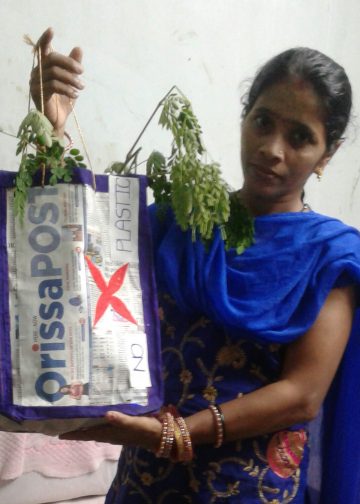
Click Here: Plastic Free Odisha

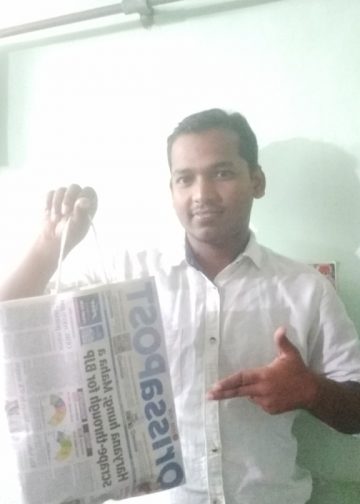
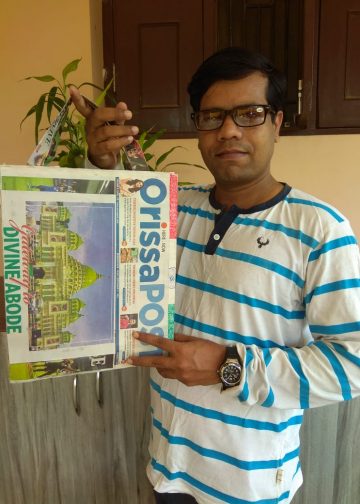
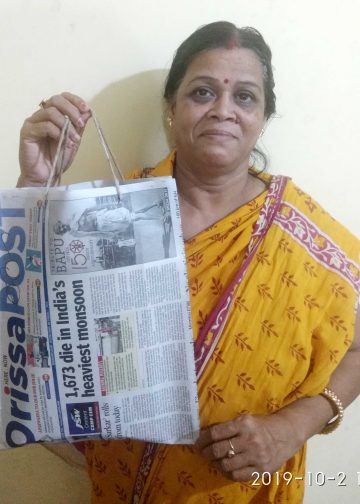
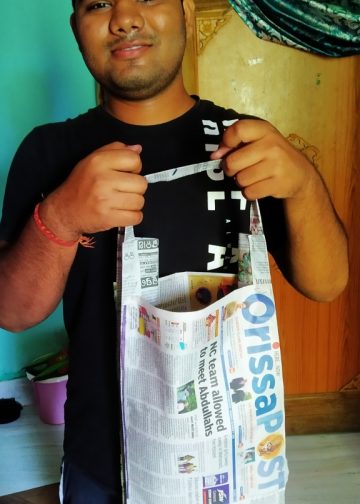
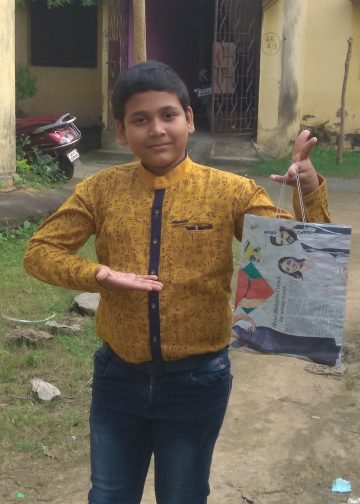
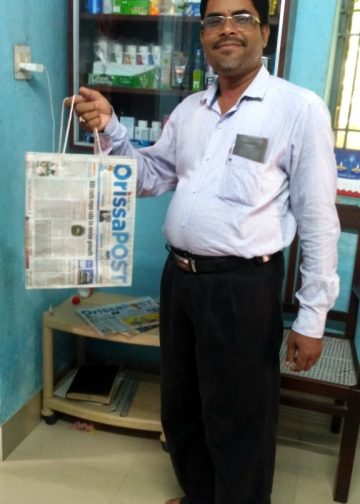
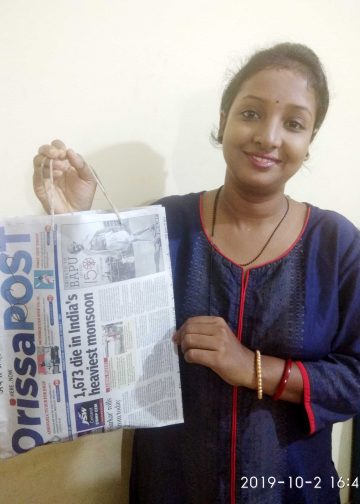
#MyPaperBagChallenge

Archit Mohapatra

December 12, 2019
#MyPaperBagChallenge

Subhajyoti Mohanty

December 12, 2019
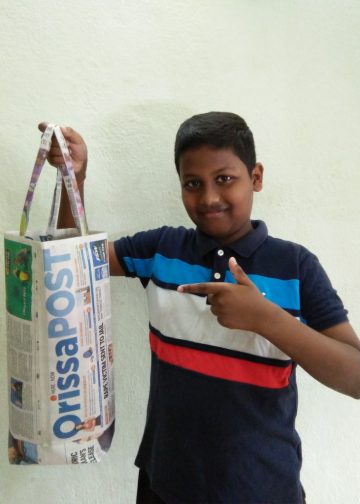
#MyPaperBagChallenge

Akriti Negi

December 12, 2019
#MyPaperBagChallenge

Rajashree Pravati Mohanty

December 12, 2019
#MyPaperBagChallenge

Rajashree Manasa Mohanty

December 12, 2019
#MyPaperBagChallenge

Tapaswini Mallick

December 12, 2019
#MyPaperBagChallenge

Anup Mahapatra

December 12, 2019
#MyPaperBagChallenge

Pitabas Tripathy

December 12, 2019
#MyPaperBagChallenge

Anasuya Sahoo

December 12, 2019
#MyPaperBagChallenge

Chinmay Kumar Routray

December 12, 2019
#MyPaperBagChallenge

Sibarama Khotei

December 12, 2019
#MyPaperBagChallenge

Pragyan Priyambada

December 12, 2019
#MyPaperBagChallenge

Bijswajit Pradhan

December 12, 2019
#MyPaperBagChallenge

Aman Kumar Barisal

December 12, 2019
#MyPaperBagChallenge

Sisirkumar Maharana

December 12, 2019
?????????????????????????????????????????????????????????????????????????????????????????????????????????????????????????????????
#MyPaperBagChallenge

Dibya Ranjan Das

December 12, 2019
#MyPaperBagChallenge

Tabish Maaz

December 12, 2019
#MyPaperBagChallenge

Manas Samanta

December 12, 2019
#MyPaperBagChallenge

Mrutyunjaya Behera

December 12, 2019
#MyPaperBagChallenge

Matrumangal Jena

December 12, 2019
#MyPaperBagChallenge

Priyabrata Mohanty

December 12, 2019
#MyPaperBagChallenge

Adyasha Priyadarsani Sendha

December 12, 2019
#MyPaperBagChallenge

Shreyanshu Bal

December 12, 2019
#MyPaperBagChallenge

Faiza Firdous

December 12, 2019
#MyPaperBagChallenge

Sitakanta Mohanty

December 12, 2019
#MyPaperBagChallenge

Anshuman Sahoo

December 12, 2019
#MyPaperBagChallenge

Sarmistha Nayak

December 12, 2019
#MyPaperBagChallenge

Ipsita

December 12, 2019
#MyPaperBagChallenge

Keshab Chandra Rout

December 12, 2019
#MyPaperBagChallenge

Praptimayee Biswal

December 12, 2019

Archives

Editorial

Institutional Shield

January 3, 2026

By Dilip Cherian India-Bangladesh relations today feel like they’re running on muscle memory, while politics keeps tugging at the steering...

Read moreDetails

Thai-Cambodian Truce

Thailand-Combodia
December 31, 2025

After a protracted, bloody conflict in which over 100 people were killed and about half a million civilians in both...

Read moreDetails

Return of the Native

Tarique Rahman
December 30, 2025

When Tarique Rahman, the 60-year-old son of former Bangladesh Prime Minister Khaleda Zia and chief of the Bangladesh Nationalist Party...

Read moreDetails

Silent Killer

December 29, 2025

Air pollution is increasingly being recognised as India’s gravest public health crisis in the post-COVID period, with medical experts warning...

Read moreDetails
  • Home
  • State
  • Metro
  • National
  • International
  • Business
  • Editorial
  • Opinion
  • Sports
  • About Us
  • Advertise
  • Contact Us
  • Jobs
Developed By Ratna Technology

© 2025 All rights Reserved by OrissaPOST

  • News in Odia
  • Orissa POST Epaper
  • Video
  • Home
  • Trending
  • Metro
  • State
  • Odisha Special
  • National
  • International
  • Sports
  • Business
  • Editorial
  • Entertainment
  • Horoscope
  • Careers
  • Feature
  • Today’s Pic
  • Opinion
  • Sci-Tech
  • About Us
  • Contact Us
  • Jobs

© 2025 All rights Reserved by OrissaPOST

    • News in Odia
    • Orissa POST Epaper
    • Video
    • Home
    • Trending
    • Metro
    • State
    • Odisha Special
    • National
    • International
    • Sports
    • Business
    • Editorial
    • Entertainment
    • Horoscope
    • Careers
    • Feature
    • Today’s Pic
    • Opinion
    • Sci-Tech
    • About Us
    • Contact Us
    • Jobs

    © 2025 All rights Reserved by OrissaPOST