Baripada: Large quantities of paddy allegedly sourced from neighbouring Jharkhand have been stockpiled in border areas of Mayurbhanj district, triggering fears of large-scale diversion of minimum support price (MSP) funds meant for local farmers.
While the district administration has claimed to have tightened vigilance to prevent illegal procurement and curtail deductions during paddy purchase, massive quantities of paddy from Jharkhand are reportedly being stored safely in the Rairangpur sub-division, particularly in border villages, for eventual sale at Odisha mandis.


The alleged operation has raised serious concerns that paddy procured cheaply from Jharkhand farmers is being sold in Odisha at fixed MSP, resulting in a potential loss to the state exchequer.
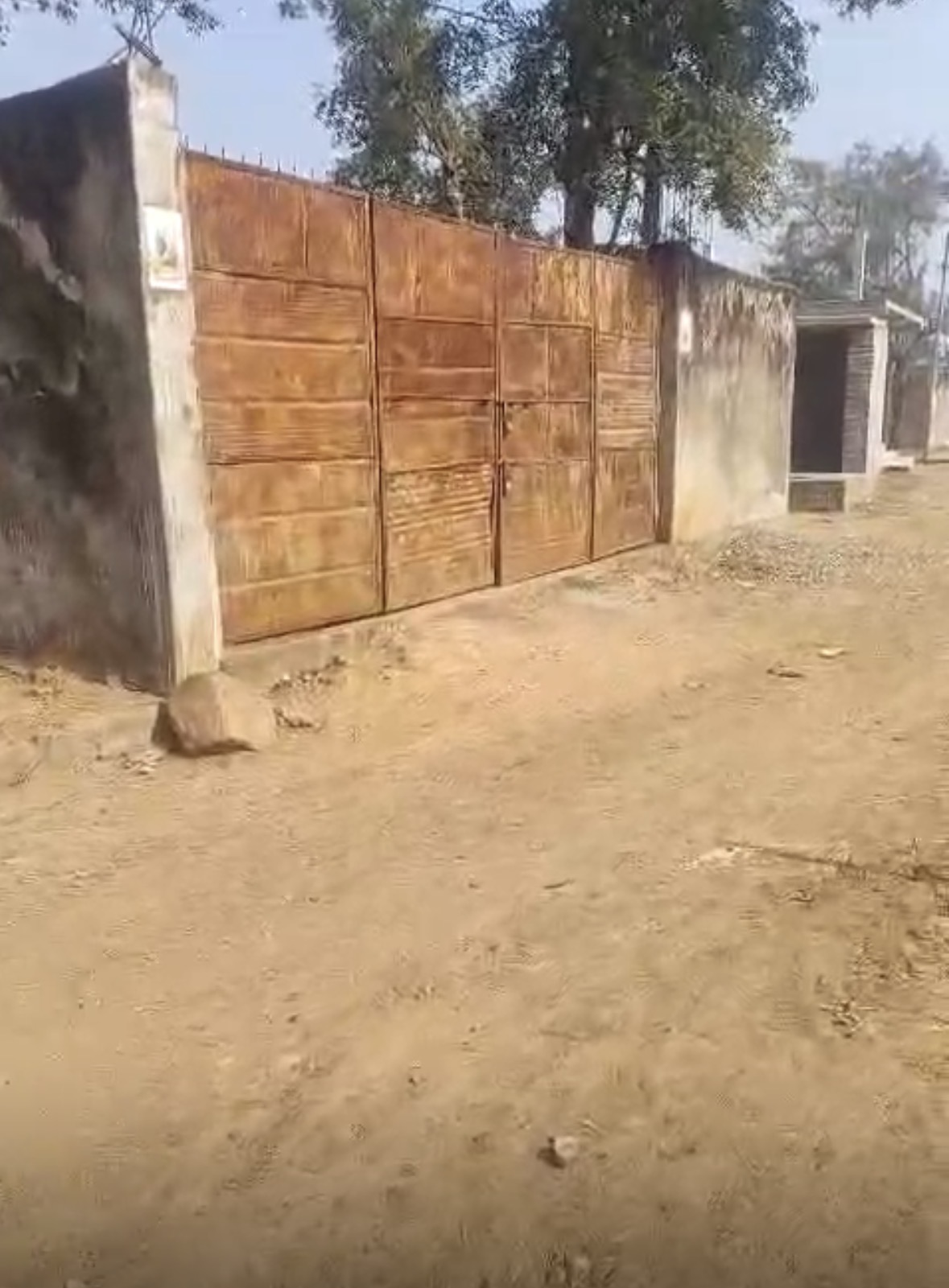
According to local sources, paddy worth several lakhs of rupees has been stockpiled in the Badadund area under the Jamda block, which lies close to the Jharkhand border. Paddy is reportedly being purchased from farmers at around Rs 1,500 per quintal and stored for sale at a higher MSP in Odisha.
Further, thousands of quintals of paddy have also been stored in warehouses in Pundighut village of Jharkhand, barely 2 km from Badadund, allegedly for onward sale in Odisha.
Farmers claimed that such activities are being carried out with the tacit knowledge of certain officials, while no effective steps have been taken to curb black marketing.
Though the district administration had earlier directed the police to seal border points and set up check posts to prevent illegal movement of paddy from Jharkhand and West Bengal, locals alleged that large quantities continue to be stockpiled unchecked.
Residents pointed out that paddy has been stored barely 100 metres from the Badadund Large Area Multipurpose Cooperative Society (LAMPS), raising questions over administrative oversight.
Farmers said financial constraints during the Makar festival and harvesting season has forced many cultivators to sell paddy at throwaway prices, a situation being exploited by middlemen and black market operators.
Official paddy procurement began December 26, but enforcement and verification mechanisms are alleged to have weakened considerably.
As a result, the state government’s decision to increase MSP—intended to benefit farmers—has instead allegedly enriched black marketers, drawing widespread concern.
Attempts to contact District Supply Officer Pradeep Kumar Panda for comments were unsuccessful.
However, Additional District Magistrate Gopabandhu Nayak, the district nodal officer for paddy procurement, said the matter would be investigated and immediate action taken if irregularities were found.
He added that the Rairangpur sub-collector, district supply officer and deputy registrar of cooperative societies would be informed.
The district administration has set a target to procure 1.382 million quintals of paddy in the first phase through 103 mandis and 52 LAMPS from 83,820 registered farmers in Mayurbhanj district.