Pankaj Lochan Mohanty
Chairman, ASSOCHAM Odisha State Development Council

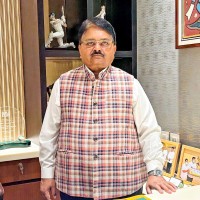
Union Budget 2026 powerfully reinforces Odisha Vision 2036 and India Vision 2047. The Rs 12,200cr transformation of National Waterways 5 and 64 will connect Angul Talcher with Kalinganagar, Paradip, and Dhamra, reducing logistics costs by up to 30% and creating green cargo corridors for industry, MSMEs, and farmers. Strategic initiatives in rare-earth value chains and the Rs 40,000cr electronics mission position Odisha as a hub for EVs, renewables, defence, and semiconductors. With Rs 12.2lakh crore national capex and Odisha’s allocation rising to Rs 64,408 crore, the Budget calls upon all stakeholders to build AI-enabled manufacturing, resilient infrastructure, and inclusive livelihoods, driving Odisha toward a globally competitive, sustainable economy by 2047.
Biswajeet Panda
Environment Activist
Environment Activist
Union Budget 2026 sends mixed signals on environmental priorities. While India’s push for renewable energy, clean technology, and electric mobility reflects a commitment to climate mitigation and green growth, the Ministry of Environment, Forests, and Climate Change has been allocated only Rs 3,759.46 crore—an increase of about 8 per cent from the previous year. Given the scale of challenges such as biodiversity loss, climate adaptation, pollution control, and coastal resilience, this allocation remains inadequate. An infrastructure-led growth strategy without strong environmental safeguards risks further straining already fragile ecosystems
Naba Kishor Pujari
Education Rights Activist

An 8% increase in the education budget is a classic money illusion. Once you factor in infl ation and a growing student population, per-student spending actually declines. Rising construction costs further erode its impact, turning bold promises like ‘University Townships’ into maintenance exercises. For states like Odisha, relying on the Purvodaya vision, this stagnant per-capita funding means we’re not funding an education revolution—we’re merely managing a crowd
Sunil Kumar Mishra
Youth Activist

The Union Budget offers encouraging signals for youth empowerment through internships, AI and tech skilling, upgraded training infrastructure, and support for MSMEs and startups. These steps can enhance skills, employability, and self-employment opportunities. However, government job aspirants continue to face challenges due to technical glitches, recruitment delays, and reliance on private online exam centres. Establishing government-owned, standardised examination centres and strengthening public libraries with trained librarians are essential reforms
Sakyasingha Mahapatra
Entrepreneur, Founder & CEO SakRobotix Lab Pvt. Ltd.

The Union Budget 2026 is a forward-looking blueprint that strengthens growth, job creation, and innovation. A record Rs 12.2 lakh crore allocation for public capital expenditure underscores the government’s strong commitment to infrastructure-led development. Initiatives such as the Rs 40,000 crore Semiconductor Mission 2.0, Rs 10,000 crore Biopharma Shakti, and Rs 1.63 lakh crore for agriculture—along with focused MSME support—will empower entrepreneurs and farmers alike. The budget opens meaningful opportunities for youth and startups to actively shape India’s next phase of growth.
Anand Mahapatra
Energy Analyst
The Union Budget 2026–27 fails to assure economic progress, while the Odisha Budget clearly does. Odisha’s fiscal policy deserves to be a model for the Centre. An approach of borrowing to consume is anti-growth and unsustainable. In a healthy economy, capital investment must exceed borrowing by at least the GDP growth rate. Despite a projected 7% GDP growth, the Union Budget proposes higher borrowing than capital investment, reflecting a flawed economic direction. In contrast, Odisha’s budget prioritises capital investment over debt, promoting sustainable development. The Union Government must urgently rethink its budgetary policy and follow Odisha’s growth-oriented approach.”
Suvendu Mishra
Health Expert
As a physician, I welcome Budget 2026’s promise to upgrade district hospitals with trauma and emergency centres, expand mental health infrastructure, and support integrative medicine through new Ayurvedic institutes. These steps address urgent gaps we see daily—delayed emergency care, untreated psychiatric illness, and limited patient options. Customs duty exemptions on life-saving drugs are also a positive move. Yet, what’s missing is equally important: investment in healthcare workers, medical education, and bridging the rural-urban doctor divide. Facilities alone are not enough; hospitals are only as effective as the people who run them. Now, implementation will be the true test
Pradipta Nayak
State Secretary, CITU
This budget seems to turn its back on farmers, workers, and small enterprises, while favouring big business houses. There is no relief for agriculture or assurance of minimum support prices promised. Research and development, crucial for innovation, are neglected. Unemployment persists, MSMEs face reduced support, and public education funding shrinks. Workers’ wages remain stagnant, and social welfare schemes see no boost. Inflation control and currency stability are overlooked. Banking privatisation and disinvestment benefit the corporate rather than the citizens. If a budget is meant to empower a nation, this one appears to serve only the interests of the wealthy few.
Manmohan Samal
State BJP President
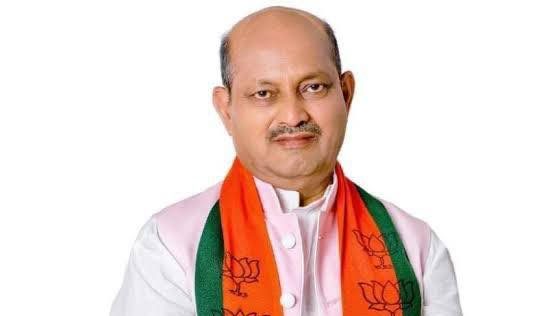
While the Budget allocation for infrastructure development has crossed Rs 12 lakh crore, expenses for the social sector have increased. Not a single scheme running earlier has been closed. 20 new waterways will be developed under the National Waterways Project in the next five years, which will begin in Odisha. A rare earth corridor has also been announced for Odisha. A lot of goods have been made affordable for the people in this Budget and the income tax slabs have been kept unchanged too, providing a much-needed relief for the common man.
Bhakta Charan Das
Odisha Congress president
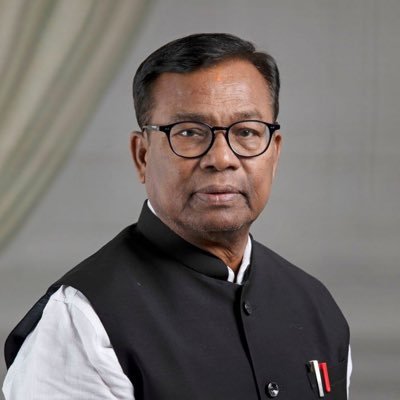
When a Budget is prepared for 147 crore people, emphasis should have been given to women, youth, farmers, and SC/ ST communities. However, there was no specific public-centric project announced for the state. The country’s debt burden has reached Rs 190L-cr by the end of FY26. During the UPA government, it stood at Rs 55L-cr. In the last 12 years, the BJP-led NDA government has borrowed about Rs 135L cr. The Centre is now planning to borrow Rs 17.2L-cr. The Budget was completely directionless, policyless, and visionless.
Prafulla Chandra Gharai
Former finance minister
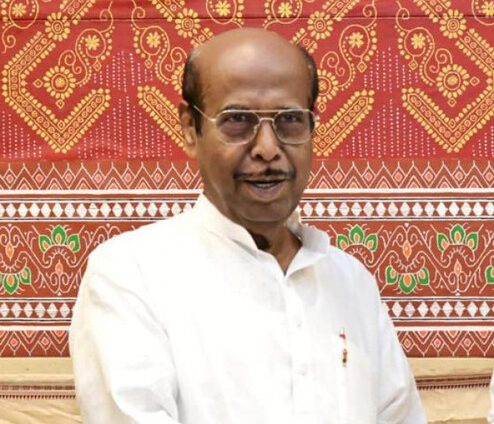
The Budget has failed to give due importance to the state. No financial provision has been made to grant special category status, nor has any dedicated allocation been announced to ensure safe drinking water for the people. Similarly, there has been no emphasis on increasing mining royalties. Overall, the Budget is not beneficial for the general public and is deeply disappointing.
Subhendu Mohanty
Additional director (student affairs), KIIT University, Bhubaneswar
The Union Finance Minister has made a concerted effort to present a development-focused Budget. It prioritises farmers, youth and women, with emphasis on infrastructure development, social justice, the rural economy and regional growth. While introducing several measures to maintain fiscal discipline, the Budget outlines steps aimed at the country’s overall development and the creation of a self-reliant India
Anuradha Biswal
Olympian

Despite its population size, India has consistently lagged behind in winning Olympic medals. Keeping this reality in focus, the new initiative (Khelo India Mission) appears to be a long-term effort to improve athletes’ performance in a systematic way. Such steps are expected to benefit sportspersons across multiple disciplines, beginning at the grassroots level. The central government has already taken several measures to promote sports and develop sporting talent.
Pradeep Kumar Pattnaik
Advocate, Orissa High Court
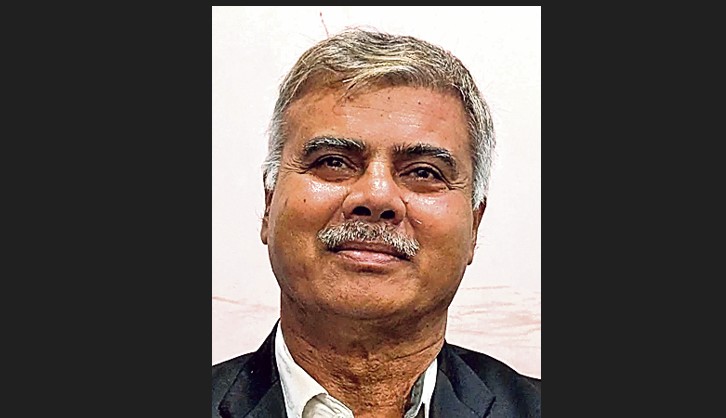
In the current Budget, the government has laid strong emphasis on infrastructure development with the goal of building a developed India by 2047. Measures to boost the MSME sector are expected to promote self-reliance among the public. Priority has been given to the development of inland waterways through 20 waterway corridors. Overall, the Budget is collective in vision and beneficial to the nation.
Mitali Chinara
Economist
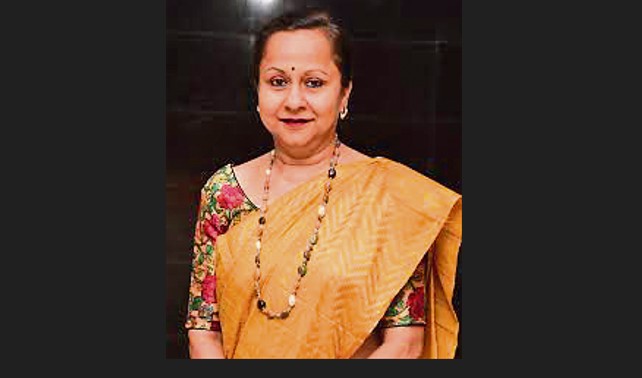
CS Vigneshwar
President, Federation of Automobile Dealers Associations
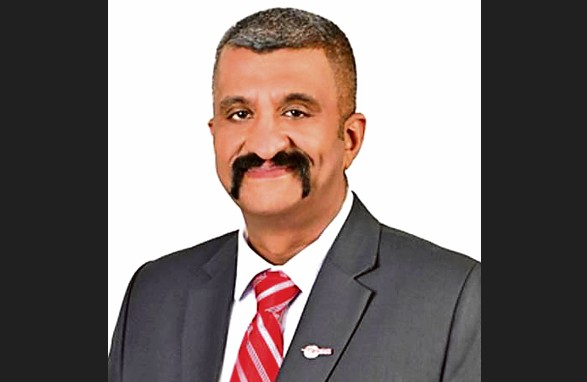
The Budget charts a firm path toward a sustainable and technology-driven future across sectors. We particularly welcome the government’s strong commitment to the electric vehicle (EV) ecosystem. Key measures include exemptions from basic customs duty on capital goods used in lithium-ion cell manufacturing; the establishment of rare-earth corridors in mineral-rich states such as Odisha; and the deployment of 4,000 e-buses for the Northeast and Purvodaya regions to strengthen green mobility.
Utkal Bhushan Rautaray
Railway union labour leader, Cuttack
The Budget offers no specific provisions for the poor, daily wage earners and the labouring class, making it a disappointing exercise for workers. There is no focused allocation for sectors linked to paper, newsprint and book production, which also affects large sections of the labour workforce. The budget does not include any proposal for a bullet train in Odisha, nor does it address improvements in rural connectivity. It is also viewed as unfavourable for the share market. However, the proposals related to income tax are welcome.
Srikanta Jena
Congress
This budget prioritises corporate interests over people and deepens regional inequality. The poorest remain neglected, and states like Odisha continue to be overlooked despite their immense contribution to national growth. Odisha’s minerals power India, yet the state receives little investment in industries, infrastructure, or employment opportunities. Projects proposed focus on extracting resources rather than creating value or jobs locally, leaving environmental damage behind. Even in railways, manufacturing, and textiles, Odisha finds no special attention. This is not a demand for favours, but a call for fairness, balance, and truly inclusive development.”
Saptagiri Shankar Ulaka
Koraput MP
Koraput MP
The Union Budget has largely ignored Odisha’s tribal and KBK regions, offering only symbolic references without a clear development roadmap. Key issues such as livelihoods, displacement safeguards and community participation remain unaddressed.
Sangeeta Das
Women Entrepreneur
A Budget anchored in entrepreneurship and self-reliance has delivered a positive message for women entrepreneurs. With a strong focus on MSMEs and startups, expanded access to credit, liquidity support and an emphasis on digital financing, women-led businesses are expected to scale up more easily, boosting confidence among small enterprises. Higher investment in infrastructure and logistics is likely to open new markets for food processing, handicrafts, agro-based ventures and home-based enterprises. The budget’s emphasis on skill development and digital empowerment will also help women adopt new technologies and integrate them into their businesses.
Akhil Poddar
FADA Odisha, State Chairperson
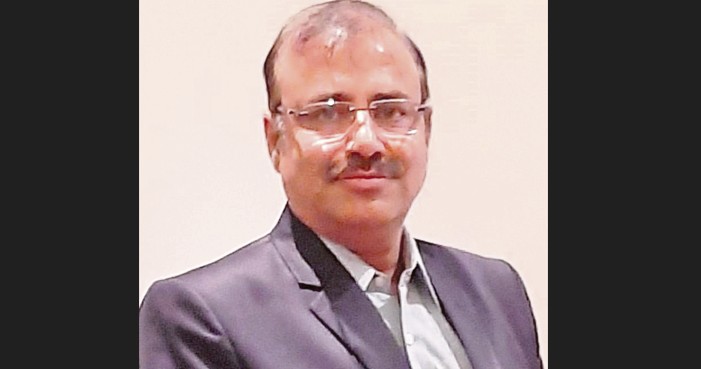
The Union Budget is a welcoming step for the automobile industry, signalling a long-term push towards EVs, manufacturing, and supply chain strengthening, though it lacks any immediate demand stimulus for buyers. For MSMEs, the budget brings several positives—improved credit access, capital support, and formalisation measures are expected to significantly boost the MSME and micro sectors. However, the absence of any change in income tax has led to disappointment among middle-class taxpayers, as disposable incomes remain unchanged despite simplification efforts. Overall, the budget reflects a continuation of earlier policies with a sustained focus on Make in India and long-term economic strengthening.
Manoj Sahoo
Founder, Dion Group

Founder, Dion Group
While Budget 2026 refrained from offering direct sops to the real estate sector, its strong thrust on infrastructure development and reforms such as REIT monetisation is expected to provide meaningful indirect support by improving liquidity and stimulating demand over time.
Prasanna Bisoi
Educationist
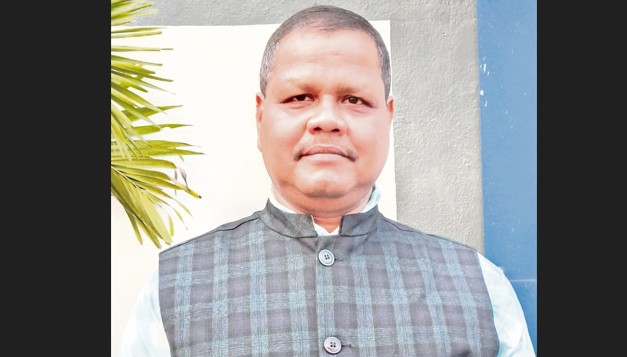
While initiatives in higher, medical, technical and vocational education are welcome, the deteriorating state of government primary education is alarming. As the foundation of a child’s learning, primary schooling deserves urgent budgetary priority.
Gobinda Patnaik MD
MD of Annapurna Finance
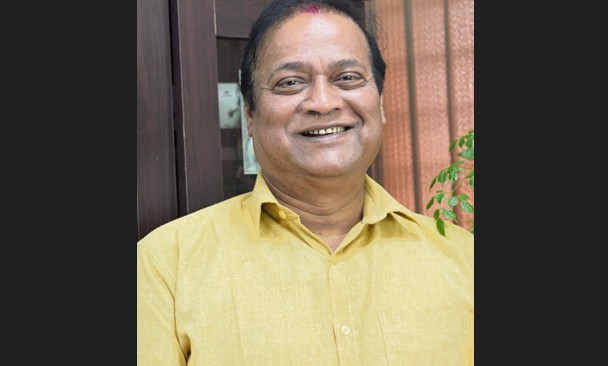
The banking sector should have been strengthened, but insufficient focus was given. This is one of the shortest budgets in recent times. While there is a strategic push toward rare earths and mineral-based growth, I feel that states have not received enough attention in this budget.
Swadesh Kumar Routray
President, CREDAI Odisha
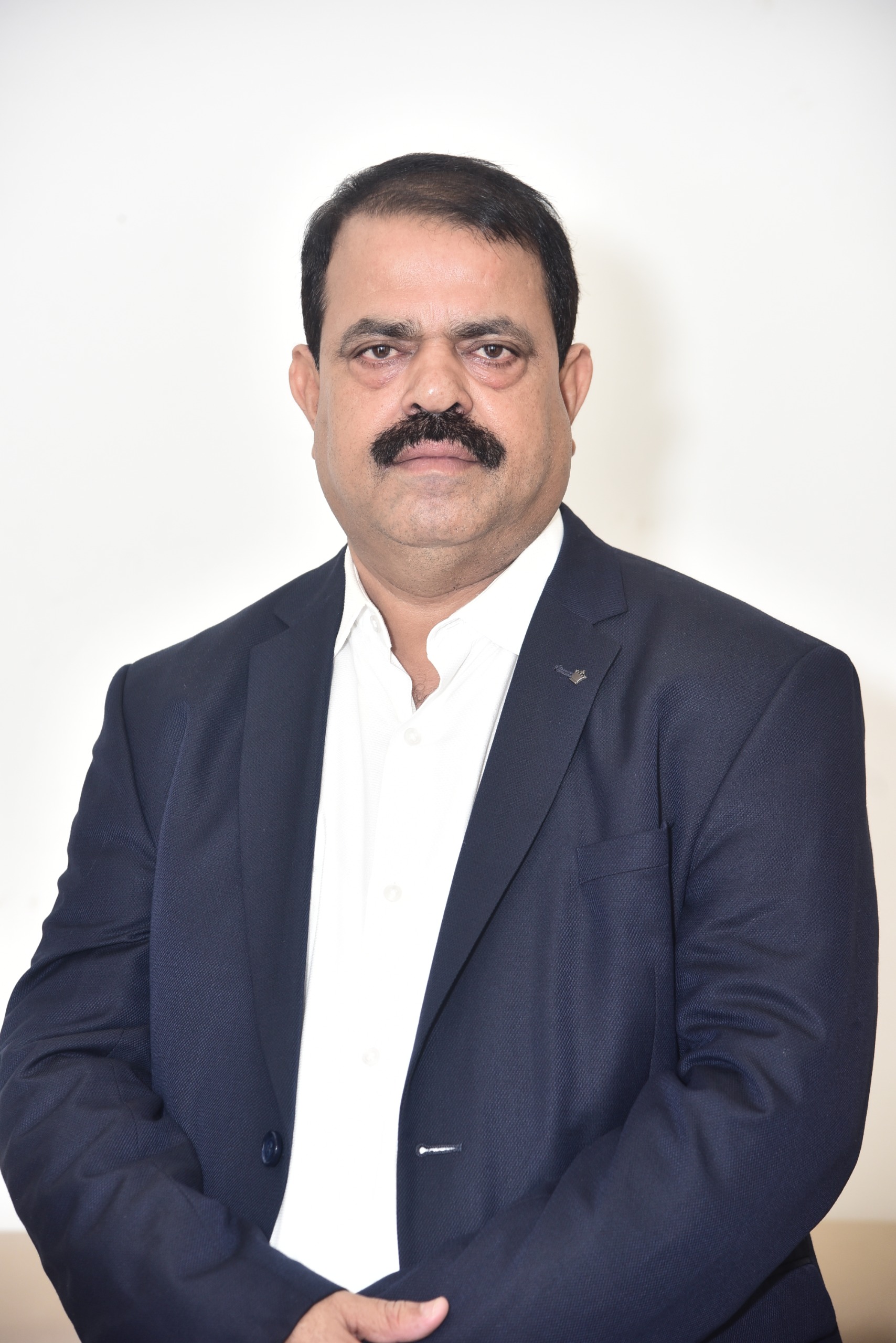
President, CREDAI Odisha
Investments in highways, Metro, railways, logistics corridor and urban infrastructure will help grow connectivity, open new avenues for development and provide strength to long-term urban development, which will be beneficial for Odisha as a whole.
Satwik Swain
Secretary General, OASME
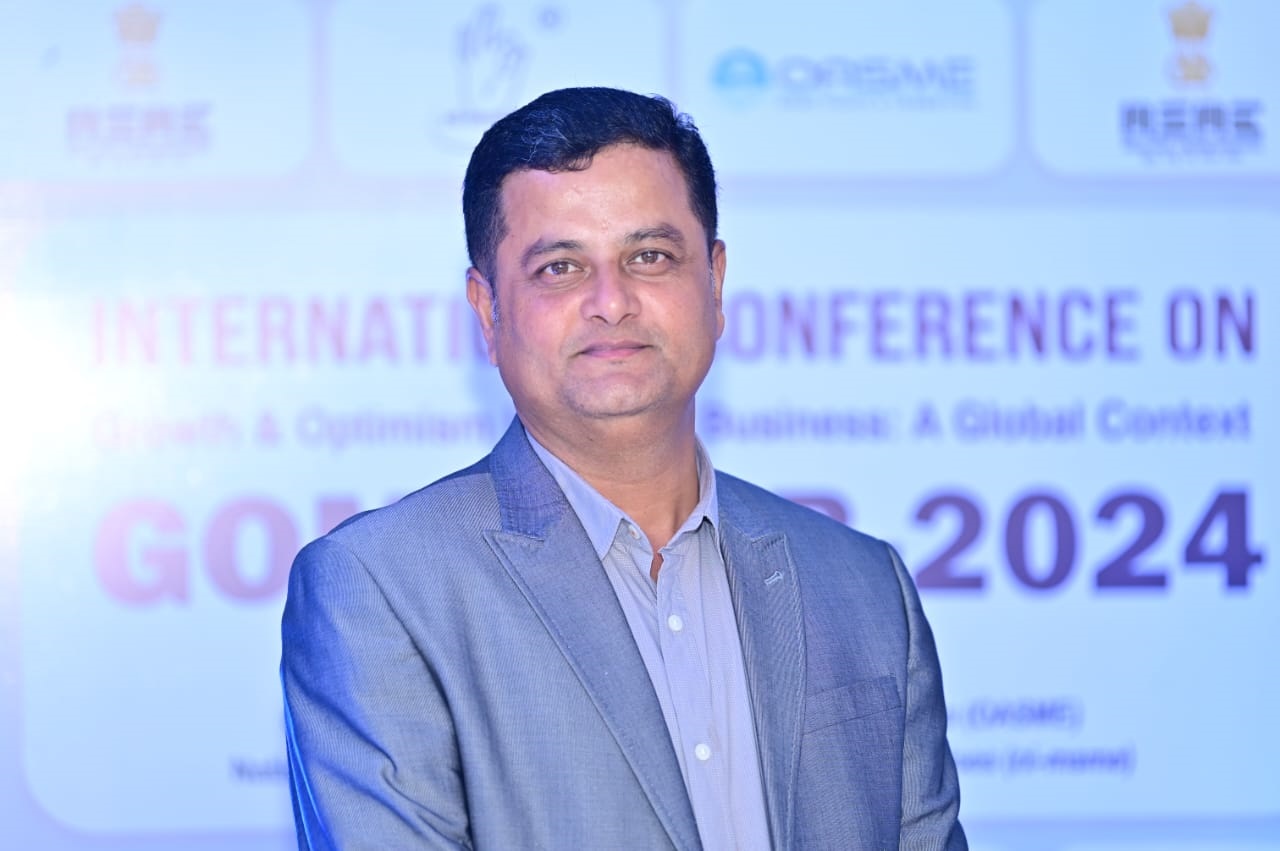
Secretary General, OASME
A long-term deeply-thought budget to boost manufacturing in various sectors like Defence, aerospace, chemical, pharma and electronics. The IT sector has been given a thrust by giving a long-term tax holiday. Odisha will benefit in the coconut, cashew & tourism sector. The rare earth corridor will also be in focus. MSME may not see a major impact, but the manufacturing sector will see a long-term impact. SHEMart was a long-pending demand that has been fulfilled.
Madhav Lodha
Jai Baba Automobile, Royal Enfield
Jai Baba Automobile, Royal Enfield
Union Budget 2026 is a healthy budget for the better growth of our economy. The revenue generation and expenditure have been designed in a well-balanced manner. The budget deficit has been proposed well below 5 per cent. Provisions have been kept for infrastructure works and agriculture. The direct tax has been kept as it is. Overall, the budget 2026 will prove itselfto be a growth engine of the Indian economy.
Aditya Patra
MD, Highway Honda, Aditya Motors-Mahindra, Aditya Hyundai
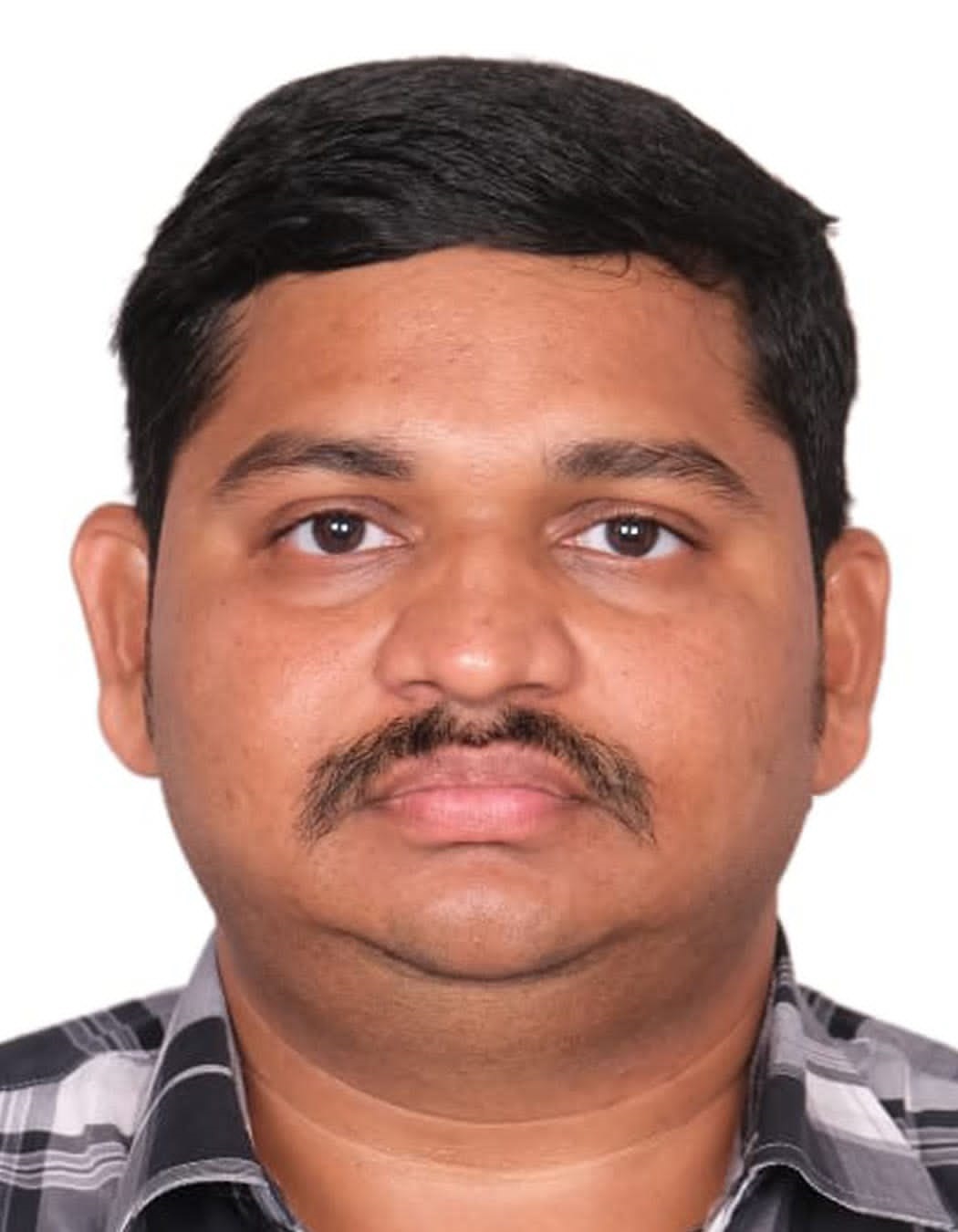
MD, Highway Honda, Aditya Motors- Mahindra, Aditya Hyundai
Union Budget 2026–27 is a steady, continuity-driven Budget for the automobile sector— not a big-bang one, but it lays a clearer road for long-term growth. It reinforces the push for manufacturing and advanced automotive technologies through higher outlay under the auto PLI scheme, which will encourage OEMs to localise more, invest in new products and strengthen supply chains. The continued focus on EVs—through support for PM E-DRIVE, the EV supply chain and domestic cell manufacturing— gives a firm policy signal, though mass-market EV demand in tier-2 and tier-3 cities will still depend on affordability, charging infrastructure and customer confidence. The enhanced capital expenditure on roads and logistics corridors is especially important for states like Odisha, which are emerging as industrial and mining hubs; better highways and connectivity can lift commercial vehicle, SUV and rural passenger-car demand over the next few years.