Odisha News, Odisha Latest news, Odisha Daily - OrissaPOST
  • Home
  • Trending
  • State
  • Metro
  • National
  • International
  • Business
  • Feature
  • Entertainment
  • Sports
  • More..
    • Odisha Special
    • Editorial
    • Opinion
    • Careers
    • Sci-Tech
    • Timeout
    • Horoscope
    • Today’s Pic
  • Video
  • Epaper
  • News in Odia
  • Home
  • Trending
  • State
  • Metro
  • National
  • International
  • Business
  • Feature
  • Entertainment
  • Sports
  • More..
    • Odisha Special
    • Editorial
    • Opinion
    • Careers
    • Sci-Tech
    • Timeout
    • Horoscope
    • Today’s Pic
  • Video
  • Epaper
  • News in Odia
No Result
View All Result
OrissaPOST - Odisha Latest news, English Daily -
No Result
View All Result

Regional integration for lasting security

Updated: March 22nd, 2026, 08:31 IST
in Opinion
0
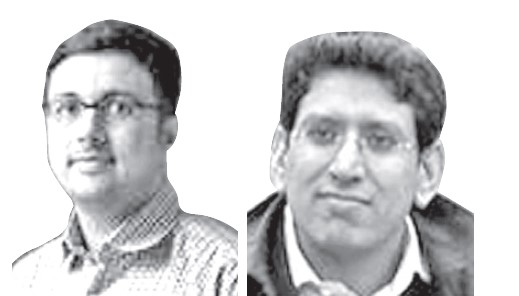
Jamal Ibrahim Haidar & Adeel Malik

Jamal Ibrahim Haidar & Adeel Malik

Share on FacebookShare on TwitterShare on WhatsAppShare on Linkedin

By Jamal Ibrahim Haidar & Adeel Malik

For decades, the Gulf Cooperation Council (GCC) countries have exported oil and recycled petrodollars through Western markets and received military protection from the United States. This arrangement has often been described as a strategic alliance.

Also Read

Adam Burakowski

REVOLUTION TO REFORM

1 day ago
Dhurjati Mukherjee

Telling effects of West Asia war

2 days ago

The US-Israeli war with Iran has exposed the inherent fragility of this model and called into question the credibility of the entire deterrence architecture. Despite the massive US military presence in the region, Iran’s ability to close the Strait of Hormuz and unleash a barrage of strikes across the GCC has demonstrated that the US cannot guarantee the security of its own installations, let alone that of the Gulf countries.

The reason for this asymmetry is clear: missile and drone warfare have fundamentally changed the cost structure of conflict. Low-cost drones, in particular, have enabled Iran to pose a credible threat to extremely expensive assets such as airbases, ports, and oil facilities. The marginal cost of disruption is now far lower than the marginal cost of defence.

This shift erodes the economic logic behind the longstanding GCC-US security contract. GCC countries allocate a significant share of public spending toward purchasing advanced weapons systems from the US. But the Iran war has demonstrated that technological superiority alone cannot guarantee safety. A $30,000 drone can disable infrastructure protected by billions of dollars’ worth of military equipment.

The Gulf’s arms race, among the most expensive in the world, generates massive profits for external suppliers but has failed to produce stability at home.

But there is a way to reduce the probability of conflict by raising the opportunity cost of war: economic interdependence. When countries are deeply integrated through trade, infrastructure, and financial networks, the economic losses from confrontation become too large to ignore. Mutual gains from cooperation begin to outweigh the perceived benefits of coercion.

For the GCC and Iran, the potential for such integration is substantial. While it may appear unrealistic in the short term, economic integration is ultimately the most viable path to reducing conflict in the long run. Iran has a large domestic market, significant industrial capacity, and vast energy resources. GCC economies, meanwhile, possess financial capital, logistics infrastructure, and global trade connectivity. Instead of living in a permanent state of suspicion, the two sides could form the backbone of a regional economic bloc spanning energy, transportation, and finance.

Attacking a trade partner’s infrastructure is economically irrational because it means disrupting one’s own supply chains, investment returns, and energy flows. This is the same logic that underpinned Europe’s reconstruction and long-term stability after World War II: economic interdependence transformed former rivals into mutually dependent partners.

By contrast, the current Gulf security architecture outsources the task of protection to a distant power whose strategic priorities do not always align with those of GCC countries. We now see the limits of this arrangement. Even the strongest external military actor cannot fully shield geographically exposed partners from the realities of modern warfare.

Moreover, reliance on foreign protection can produce what economists call moral hazard. When governments believe that a powerful ally will ultimately guarantee their safety, they may have less incentive to pursue diplomatic negotiations with regional rivals – a dynamic that sustains, rather than mitigates or resolves, conflict.

The GCC faces a strategic choice. It can either continue to rely on external military guarantees that leave it structurally vulnerable, or it can pursue a shift toward security rooted in regional economic integration. Of course, such a shift does not imply abandoning defence capabilities or strategic partnerships. Instead, it means recognising that durable peace cannot be imported; it must be produced locally through shared economic interests.

The Iran 2026 war may prove a turning point, exposing the limits of the “protection for sale” system that has defined Gulf geopolitics for decades. No amount of foreign weaponry can substitute for a stable regional order built on cooperation, interdependence, and rational economic incentives. Security purchased from abroad will always remain conditional and incomplete. Security built through economic integration, however, has the potential to become self-sustaining.

Jamal Ibrahim Haidar is Chairperson of the Department of Economics at the Lebanese American University. Adeel Malik is Associate Professor of Development Economics at the University of Oxford.


Orissa POST – Odisha’s No.1 English Daily
ShareTweetSendShare
Suggest A Correction

Enter your email to get our daily news in your inbox.


OrissaPOST epaper Sunday POST OrissaPOST epaper

Click Here: Plastic Free Odisha

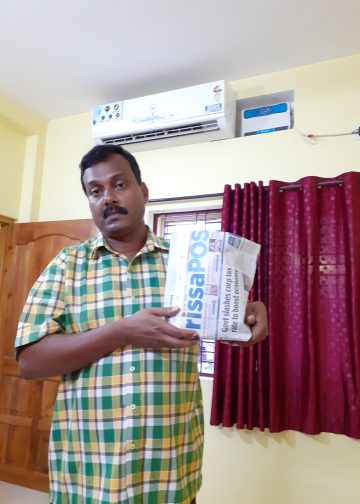
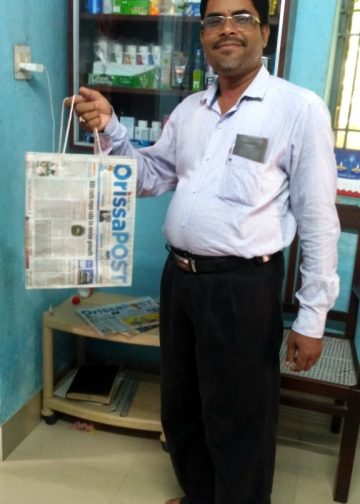
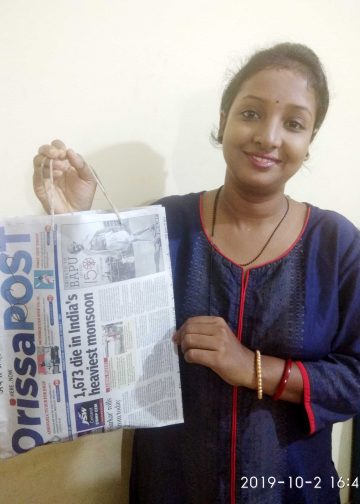
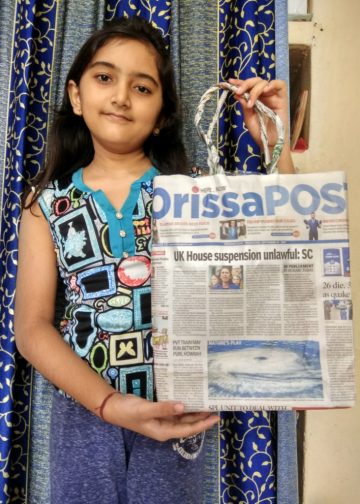
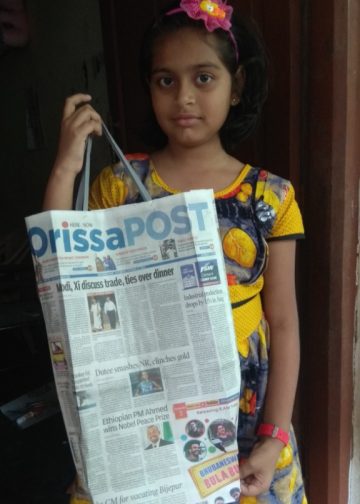
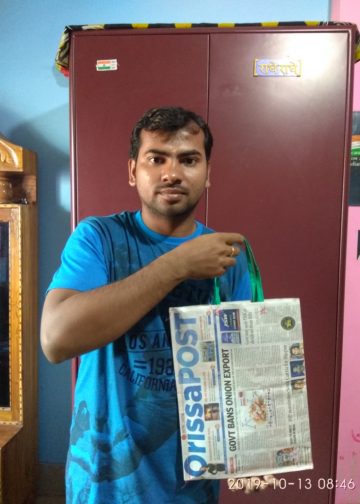
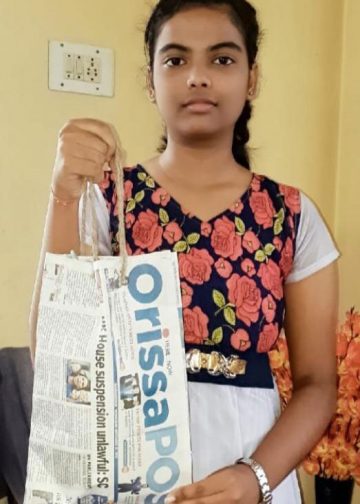
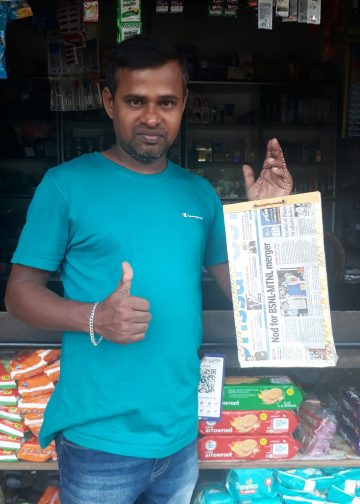
#MyPaperBagChallenge

Manas Samanta

December 12, 2019
#MyPaperBagChallenge

Jhili Jena

December 12, 2019
#MyPaperBagChallenge

D Rama Rao

December 12, 2019
#MyPaperBagChallenge

Swarit Praharaj

December 12, 2019
#MyPaperBagChallenge

Diptiranjan Biswal

December 12, 2019
#MyPaperBagChallenge

Priyasha Pradhan

December 12, 2019
#MyPaperBagChallenge

Rajashree Manasa Mohanty

December 12, 2019
#MyPaperBagChallenge

Anshuman Sahoo

December 12, 2019
#MyPaperBagChallenge

Adweeti Bhattacharya

December 12, 2019
#MyPaperBagChallenge

Tapaswini Mallick

December 12, 2019
#MyPaperBagChallenge

Sibarama Khotei

December 12, 2019
#MyPaperBagChallenge

Surya Sidhant Rath

December 12, 2019
#MyPaperBagChallenge

Subhajyoti Mohanty

December 12, 2019
#MyPaperBagChallenge

Pragyan Priyambada

December 12, 2019
#MyPaperBagChallenge

Chinmay Kumar Routray

December 12, 2019
#MyPaperBagChallenge

Spinoj Pattnaik

December 12, 2019
#MyPaperBagChallenge

Vandana Singh

December 12, 2019
#MyPaperBagChallenge

Sarmistha Nayak

December 12, 2019
#MyPaperBagChallenge

Aishwarya Ranjan Mohanty

December 12, 2019
#MyPaperBagChallenge

Adyasha Priyadarsani Sendha

December 12, 2019
#MyPaperBagChallenge

Pitabas Tripathy

December 12, 2019
#MyPaperBagChallenge

Mandakini Dakua

December 12, 2019
#MyPaperBagChallenge

Lopali Pattnaik

December 12, 2019
#MyPaperBagChallenge

Anup Mahapatra

December 12, 2019
#MyPaperBagChallenge

Sarfraz Ahmad

December 12, 2019
#MyPaperBagChallenge

Ramakanta Sahoo

December 12, 2019
#MyPaperBagChallenge

Archit Mohapatra

December 12, 2019
#MyPaperBagChallenge

Sipra Mishra

December 12, 2019
#MyPaperBagChallenge

Keshab Chandra Rout

December 12, 2019
#MyPaperBagChallenge

Akshaya Kumar Dash

December 12, 2019

Archives

Editorial

Defiant Iran

Aakar Patel
March 22, 2026

I want Iran to win. What does win mean? Iran defines it in the following way: The United States of...

Read moreDetails

Danger Downplayed

Dilip Cherian
March 21, 2026

Now and then, public policy produces a decision so baffling that you instinctively read the news twice. The rollback of...

Read moreDetails

Ladakh Protests Again

Pic Credit: PTI
March 18, 2026

Protests by thousands of pro-democracy activists in Leh and Kargil districts on 16 March, demanding, among other things, statehood for...

Read moreDetails

Windfall For Russia

March 17, 2026

The ongoing war between the US-Israel combine and Iran has unexpectedly turned out to be a windfall for Russia. In...

Read moreDetails
  • Home
  • State
  • Metro
  • National
  • International
  • Business
  • Editorial
  • Opinion
  • Sports
  • About Us
  • Advertise
  • Contact Us
  • Jobs
Developed By Ratna Technology

© 2025 All rights Reserved by OrissaPOST

  • News in Odia
  • Orissa POST Epaper
  • Video
  • Home
  • Trending
  • Metro
  • State
  • Odisha Special
  • National
  • International
  • Sports
  • Business
  • Editorial
  • Entertainment
  • Horoscope
  • Careers
  • Feature
  • Today’s Pic
  • Opinion
  • Sci-Tech
  • About Us
  • Contact Us
  • Jobs

© 2025 All rights Reserved by OrissaPOST

    • News in Odia
    • Orissa POST Epaper
    • Video
    • Home
    • Trending
    • Metro
    • State
    • Odisha Special
    • National
    • International
    • Sports
    • Business
    • Editorial
    • Entertainment
    • Horoscope
    • Careers
    • Feature
    • Today’s Pic
    • Opinion
    • Sci-Tech
    • About Us
    • Contact Us
    • Jobs

    © 2025 All rights Reserved by OrissaPOST