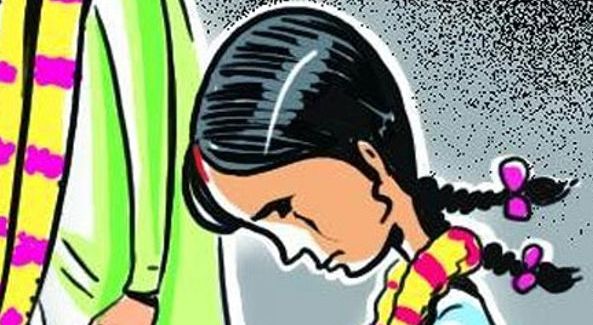
United Nations: India has co-sponsored a resolution in the UN General Assembly proclaiming November 27 every year as the International Day for the Elimination of Child, Early and Forced Marriage.
The 193-member UN General Assembly Friday adopted by consensus the resolution titled ‘International Day for the Elimination of Child, Early and Forced Marriage’ led by Sierra Leone.


India was among the nations that joined as co-sponsors of the resolution.
It was on November 27, 2024 that the ‘Bal Vivah Mukt Bharat’, also known as Child Marriage Free India, campaign was launched in the country, aiming to reduce the prevalence of child marriage by 10 per cent by 2026 and make India child marriage free by 2030.
The issue was also championed by Sierra Leone’s First Lady and President of the Organization of African First Ladies for Development (OAFLAD) Fatima Maada Bio and Just Rights for Children Founder Bhuwan Ribhu, who had initiated the international call for a dedicated global day to end child marriage.
“Today marks the beginning of the end, where the world has spoken in one voice – No More…This is the beginning where the world has spoken. Now is the time for action, we should act. From 27th November, the action begins,” Ribhu told PTI after the resolution was adopted in the General Assembly.
In March 2026, during his address at the United Nations, Ribhu had reiterated the call for a UN resolution in the presence of international leaders, including Maada Bio, who also voiced support for the initiative.
Also Read : Nabarangpur tops state in child marriage cases
He had said that the International Day would serve as a global reminder of the need for accountability for unified action by governments, civil society, faith leaders, schools, communities and children.
Sierra Leone, backed by around 70 nations, including India, led the effort by tabling the resolution seeking to designate November 27 as a global day dedicated to ending child marriage.
Ribhu added that with the adoption of the resolution, governments all around the world need to take decisive action through comprehensive laws, budgeted national action plans, responsible and accountable institutions, and involve children in the process of participation with faith leaders, community leaders, government agencies, police, law enforcement, rule of law and ensuring that the ecosystem that perpetuates child marriage is collapsed.
The resolution encourages Member States to continue to develop and implement holistic, multisectoral national strategies and action plans to end child, early and forced marriage.
It calls upon Member States to invest in quality education for all girls, including programmes enabling married girls and young women to continue or return to education, and to promote the empowerment of women and girls as a key strategy for prevention.
It also recognised that child, early and forced marriage is a “harmful practice” that violates, abuses or impairs human rights, disproportionately affecting women and girls, particularly those in vulnerable situations, and threatening their education, health, economic opportunities and full enjoyment of human rights.
Just Rights for Children (JRC) said that the adoption of the resolution by the 193-member United Nations General Assembly marks a significant milestone-not only in the global movement to end child marriage, but also in the growing international recognition that child marriage is a crime and another form of child sexual abuse.
Just Rights for Children is a global child rights network committed to ending all forms of child exploitation, working to ensure that every child, regardless of geography, can enjoy a safe, healthy, and dignified childhood. The network has prevented and stopped over 550,000 child marriages since 2023.
In her address to the General Assembly before the resolution was adopted, Maada Bio said child early and forced marriage remains one of the most persistent barriers to gender equality, human rights and sustainable development.
“It undermines girls’ education. It threatens their health and well-being. It increases their exposure to violence, exploitation, and abuse. It limits their economic opportunity, perpetuates intergenerational poverty, and it prevents millions of girls from fully contributing to the social and economic development of their society,” she said.
“When a girl is forced into marriage, we not only take away childhood, we take away choices, we take away opportunities, and too often, we take away the future she could have helped build for her family, her community, and her country.”
She added that support of nations joining to co-sponsor the resolution “sends a powerful message to girls everywhere: their rights, dignity, and future are not negotiable.”