Odisha News, Odisha Latest news, Odisha Daily - OrissaPOST
  • Home
  • Trending
  • State
  • Metro
  • National
  • International
  • Business
  • Feature
  • Entertainment
  • Sports
  • More..
    • Odisha Special
    • Editorial
    • Opinion
    • Careers
    • Sci-Tech
    • Timeout
    • Horoscope
    • Today’s Pic
  • Video
  • Epaper
  • News in Odia
  • Home
  • Trending
  • State
  • Metro
  • National
  • International
  • Business
  • Feature
  • Entertainment
  • Sports
  • More..
    • Odisha Special
    • Editorial
    • Opinion
    • Careers
    • Sci-Tech
    • Timeout
    • Horoscope
    • Today’s Pic
  • Video
  • Epaper
  • News in Odia
No Result
View All Result
OrissaPOST - Odisha Latest news, English Daily -
No Result
View All Result

A tale of two Delhis: Deadly air exposes rich poor divide

Updated: March 21st, 2019, 09:55 IST
in National
0
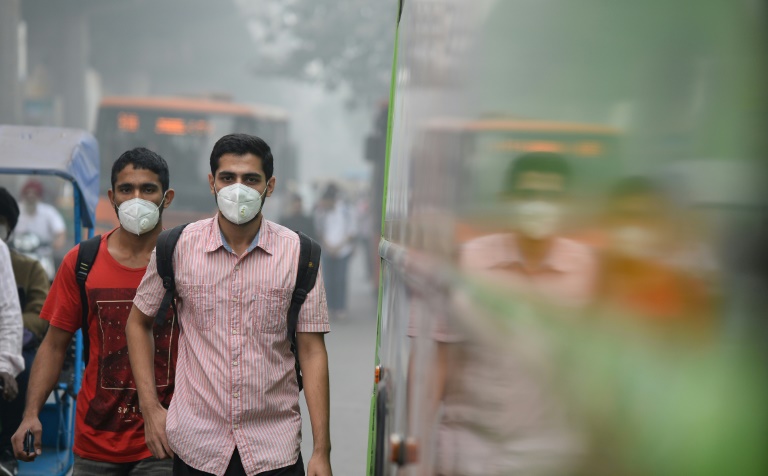
Delhi's smog peaks from October to February, routinely exceeding WHO recommendations for PM2.5 -- tiny and harmful airborne particles -- and some days registers levels more than 20 times safe limits (AFP)

Delhi's smog peaks from October to February, routinely exceeding WHO recommendations for PM2.5 -- tiny and harmful airborne particles -- and some days registers levels more than 20 times safe limits (AFP)

Share on FacebookShare on TwitterShare on WhatsAppShare on Linkedin

New Delhi: Walls draped in lush vertical gardens and air filtered through purifiers insulate diners at a swanky New Delhi food court from the choking haze outside in one of the most polluted places on earth.

But these eco-eateries, offering cleaner air as well as modern menus to the well heeled are beyond reach for the poor, who have little means of escaping the deadly smog which coats the city for much of the year.


Also Read

Tata

RBI rejects Tata Sons’ bid to surrender NBFC licence, setting stage for mandatory listing

7 hours ago
Pic- IANS

BRICS leaders seek faster, safer cross-border payments

7 hours ago

Air pollution kills more than one million Indians every year, according to a study by Lancet Planetary Health, and Delhi is ranked one of the most toxic urban centres to live, regularly exceeding World Health Organisation (WHO) limits.

But for Ramavtar Singh there is no escape: like many of the city’s poorest, he eats, sleeps, and works outside.

“I work for six to eight hours every day and my children eat and sleep outside most times of the year,” the father of five tells AFP at a roadside food stall, gulping down a 50-cent dish of rice and lentils.

Delhi’s eco-eateries, offering cleaner air as well as modern menus to the well heeled are beyond reach for the poor, who have little means of escaping the deadly smog which coats the city for much of the year (AFP)

Singh earns a living by cycling passengers and cargo around Delhi on his rickshaw, a strenuous activity that means he’s inhaling dangerous concentrations of tiny pollutants deep into his lungs.

At best, he can wrap a rag over his mouth on smoggy days, a low-cost approach taken by labourers and rickshaw drivers that does little to prevent the most dangerous particles entering the bloodstream.

Delhi’s smog peaks from October to February, routinely exceeding WHO recommendations for PM2.5 — tiny and harmful airborne particles — and some days registers levels more than 20 times safe limits.

Experts warn the long term health consequences of living enveloped in pollution are disastrous, often causing chronic sickness and in some cases early death.

‘A quick oxygen shot’

Across town, Abhimanyu Mawatwal is settling down for lunch at a food court in Worldmark Aerocity, a grand commercial centre boasting purified air.

A meal here could cost twice Singh’s monthly salary, but it is a price Mawatwal is willing to pay because outside the smog is at hazardous levels.
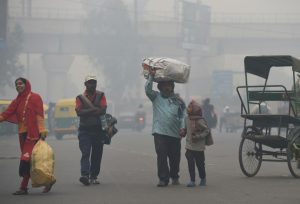
For the well-heeled in New Delhi, eating out means enjoying a gourmet spread amid sprawling green spaces but the poor must deal with dust and toxic fumes from vehicles zipping past rickety roadside food stalls in the world’s most polluted major city (AFP)

“I love to come here for my meals. It is like getting a quick oxygen shot,” the office worker says, surrounded by creeper vines and a faux stream as he breathed lungfuls of filtered air circulating through expensive filters.

“We need to bring greenery to concrete jungles and create places where everybody can come for a breath of fresh air,” insists S. K. Sayal, CEO of Bharti Realty which owns Worldmark Aerocity.

Delhi’s affluent, who are often better informed about the dangers of pollution, increasingly expect the same safety measures they have in place at home, to be available when they are out.

High-end eateries, bars and cinemas are tapping into that demand — installing electronic air purifiers and creating dedicated areas of rich vegetation to help filter airborne toxins.
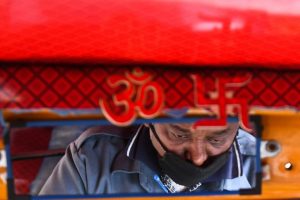
Air pollution kills more than one million Indians every year, according to a study by Lancet Planetary Health, and Delhi is ranked one of the most toxic urban centres to live, regularly exceeding World Health Organisation (WHO) limits (AFP)

But for Singh, and the one in five Indians living on less than $2 a day, visiting such places is nothing more than a fantasy.

“What will I do if I spend all the money on one meal? How will I feed my family?” said the rickshaw cyclist, who earns about 1,200 rupees ($17) a month.

He cannot dream of buying the foreign-made air purifiers to protect his family at home — machines favoured by Delhi’s elite, expat communities and office workers — that easily cost Singh’s annual wage.

“The rich and the poor have to breathe the same poisonous air. But the poor are more exposed to pollution,” explains Sunil Dahiya, a campaigner for Greenpeace India.

He adds: “Most of the time, they don’t even know the effects the toxic air is having on their health. Poor communities are definitely at the losing end.”

AFP

Tags: Air pollutionRich Poor Divide
Share4TweetSendShare
Suggest A Correction

Enter your email to get our daily news in your inbox.


OrissaPOST epaper Sunday POST OrissaPOST epaper

Click Here: Plastic Free Odisha

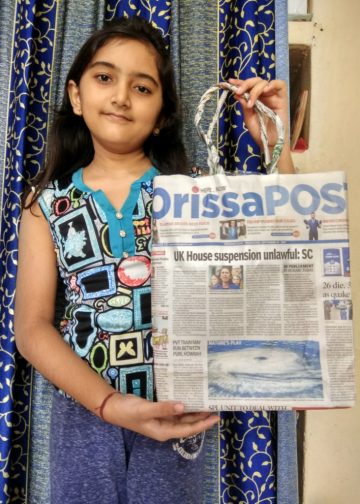
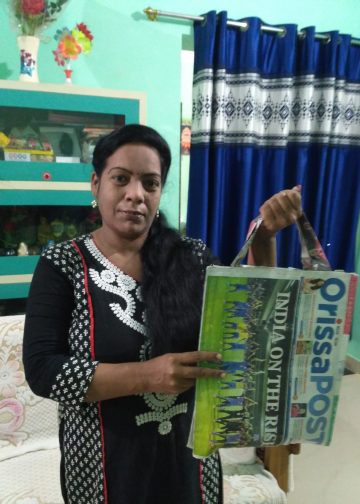
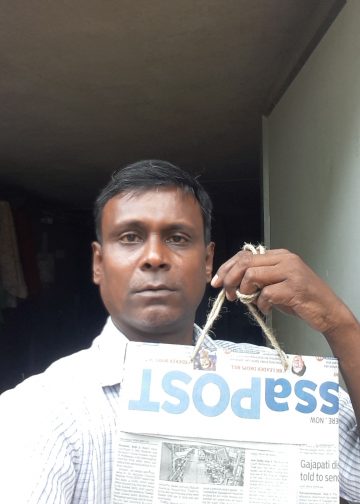
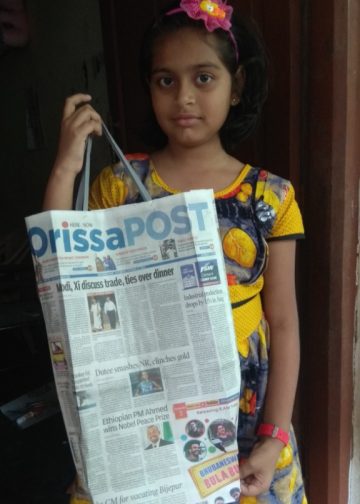
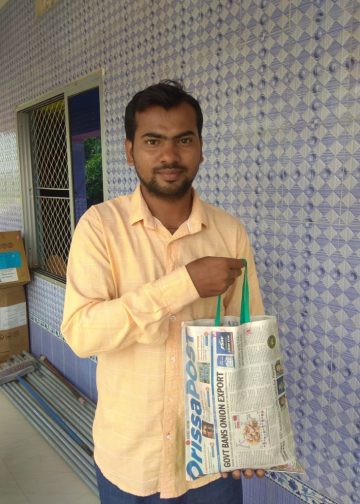
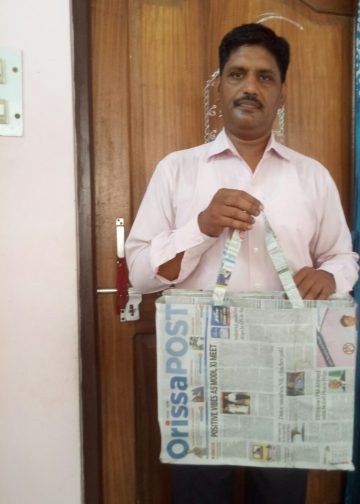
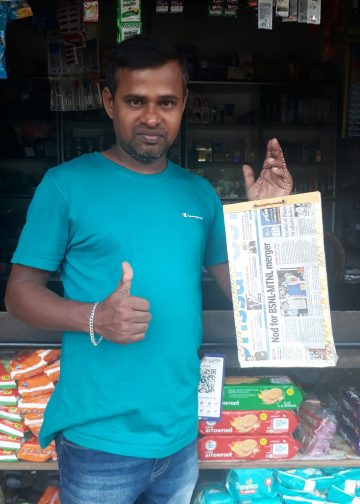
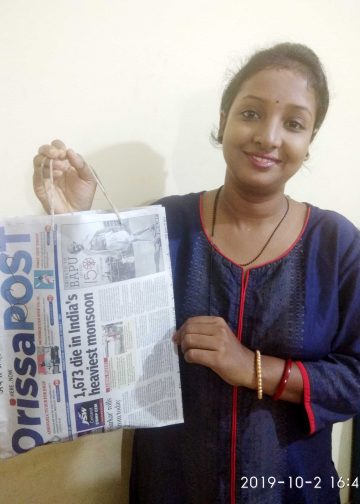
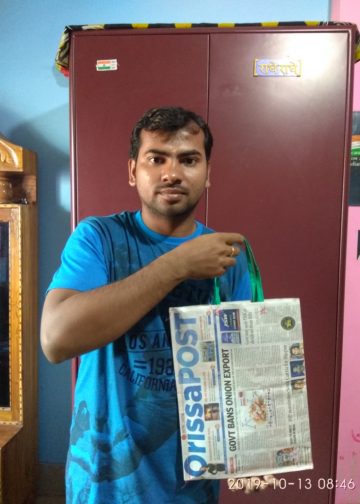
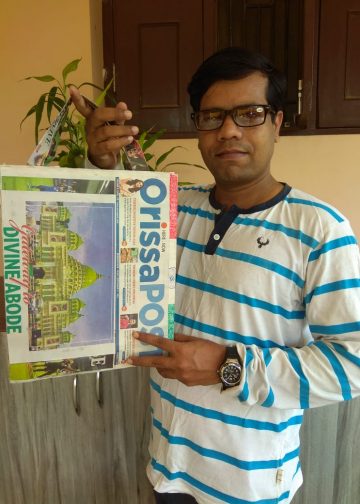
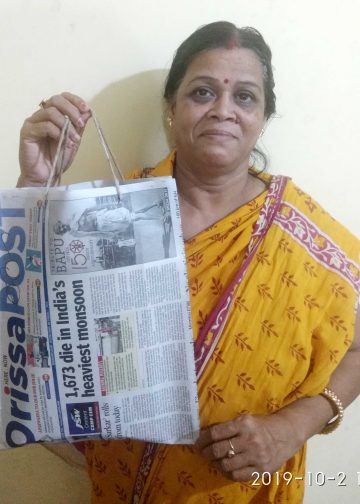
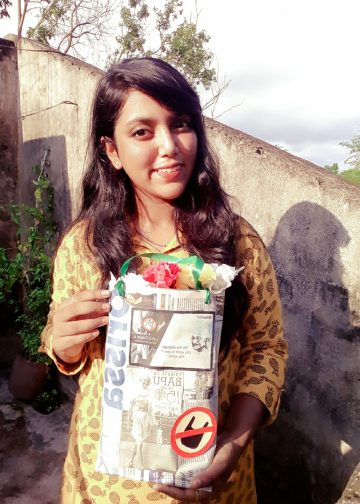
#MyPaperBagChallenge

Archana Parida

December 12, 2019
#MyPaperBagChallenge

Pratik Kumar Ghibela

December 12, 2019
#MyPaperBagChallenge

Spinoj Pattnaik

December 12, 2019
#MyPaperBagChallenge

Mrutyunjaya Behera

December 12, 2019
#MyPaperBagChallenge

Amritansh Mishra

December 12, 2019
#MyPaperBagChallenge

Mandakini Dakua

December 12, 2019
#MyPaperBagChallenge

Subhajyoti Mohanty

December 12, 2019
#MyPaperBagChallenge

Swarit Praharaj

December 12, 2019
#MyPaperBagChallenge

Adyasha Priyadarsani Sendha

December 12, 2019
#MyPaperBagChallenge

Pratyasharani Ghibela

December 12, 2019
#MyPaperBagChallenge

Akriti Negi

December 12, 2019
#MyPaperBagChallenge

Rajashree Manasa Mohanty

December 12, 2019
#MyPaperBagChallenge

D Rama Rao

December 12, 2019
#MyPaperBagChallenge

Adrita Bhattacharya

December 12, 2019
#MyPaperBagChallenge

Chinmay Kumar Routray

December 12, 2019
#MyPaperBagChallenge

Sibarama Khotei

December 12, 2019
#MyPaperBagChallenge

Sarfraz Ahmad

December 12, 2019
#MyPaperBagChallenge

Smitarani Sahoo

December 12, 2019
#MyPaperBagChallenge

Faiza Firdous

December 12, 2019
#MyPaperBagChallenge

Aman Kumar Barisal

December 12, 2019
#MyPaperBagChallenge

Sisirkumar Maharana

December 12, 2019
#MyPaperBagChallenge

Ramakanta Sahoo

December 12, 2019
#MyPaperBagChallenge

Pitabas Tripathy

December 12, 2019
#MyPaperBagChallenge

Jhili Jena

December 12, 2019
#MyPaperBagChallenge

Tabish Maaz

December 12, 2019
#MyPaperBagChallenge

Lopali Pattnaik

December 12, 2019
#MyPaperBagChallenge

Ramakanta Sahoo

December 12, 2019
#MyPaperBagChallenge

Debasis Mohanty

December 12, 2019
#MyPaperBagChallenge

Jyotshna Mayee Pattnaik

December 12, 2019
#MyPaperBagChallenge

Subhajyoti Mohanty

December 12, 2019

Archives

Editorial

Battles We Don’t See

September 12, 2026

By Dilip Cherian The death of Rakesh Mehta, former Chief Secretary of Delhi, is deeply saddening. But beyond the shock...

Read moreDetails

Rafale & Eiffel Misogyny

September 9, 2026

It is surprising that the administration in Paris, France, in charge of managing institutions like the Eiffel Tower bent over...

Read moreDetails

Judge Vs Judge

September 8, 2026

The judiciary is one of the three pillars of Indian democracy that the people traditionally trust, most for the redress...

Read moreDetails

Self Sabotage

Pic- ISRO
September 7, 2026

Research and Development (R&D) is always considered the most expensive or cost intensive part of any new product. Deep pockets...

Read moreDetails
  • Home
  • State
  • Metro
  • National
  • International
  • Business
  • Editorial
  • Opinion
  • Sports
  • About Us
  • Advertise
  • Contact Us
  • Jobs
Developed By Ratna Technology

© 2025 All rights Reserved by OrissaPOST

  • News in Odia
  • Orissa POST Epaper
  • Video
  • Home
  • Trending
  • Metro
  • State
  • Odisha Special
  • National
  • International
  • Sports
  • Business
  • Editorial
  • Entertainment
  • Horoscope
  • Careers
  • Feature
  • Today’s Pic
  • Opinion
  • Sci-Tech
  • About Us
  • Contact Us
  • Jobs

© 2025 All rights Reserved by OrissaPOST

    • News in Odia
    • Orissa POST Epaper
    • Video
    • Home
    • Trending
    • Metro
    • State
    • Odisha Special
    • National
    • International
    • Sports
    • Business
    • Editorial
    • Entertainment
    • Horoscope
    • Careers
    • Feature
    • Today’s Pic
    • Opinion
    • Sci-Tech
    • About Us
    • Contact Us
    • Jobs

    © 2025 All rights Reserved by OrissaPOST