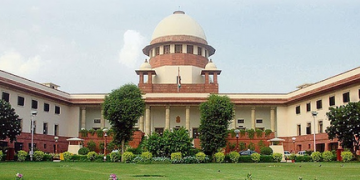
An unwarranted observation by the Chief Justice of India Surya Kant has stirred the Indian youth out of its seeming torpor. When the young generation was rising and using its power to cause unprecedented political upheaval using social media and effect regime change in neighbouring Nepal, Bangladesh and Sri Lanka, the Indian youth was thought to be too disconnected and docile to take on political establishments even in the face of attacks on free speech and liberal thinking.
Now, it is increasingly becoming clear that the silence and inaction were like a lull before the storm. There seems to have been a strong undercurrent of anger and resentment since some time over the ruling government’s indifference to the aspirations of the youth, joblessness and ruthless repression of free thinking.
Also Read


In the crackdown on free speech and even journalists, several young people were thrown into prison or threatened with the application of the draconian Unlawful Activities (Prevention) Act (UAPA). Numerous social media accounts critical of the government were suspended.
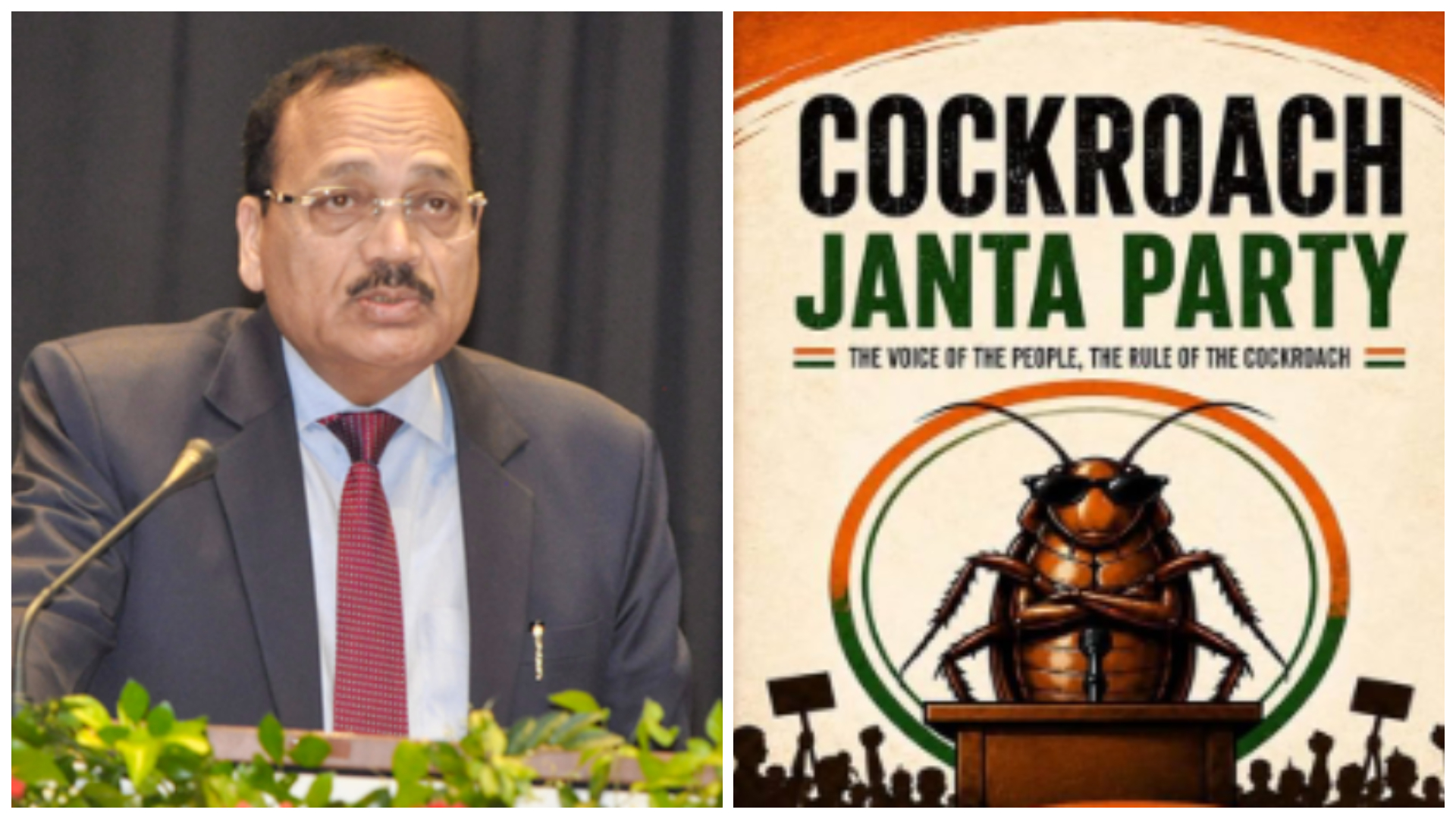
As it has transpired, the CJI unknowingly triggered a movement that was waiting to erupt. The Cockroach Janata Party (CJP) has shot up, in merely a fortnight since its inception on 16 May as the platform that a lot of young people needed and wanted, just to express their frustrations with the status quo.
Not in violent protests as has been the case in many neighboring countries but through peaceful means using the internet as the main tool for bringing together millions of youth faced with a bleak future and aspiring to change it. It began as a satirical online platform after the CJI compared unemployed young people to cockroaches and parasites. Now millions of young Indians, last Google search showed 22 million, are flocking to it as an outlet for their frustration.
A parody political party with the cockroach as its symbol has suddenly come to the forefront across India’s social media by turning a rather dark humour into protest. Memes and short videos mocking corruption, joblessness and political dysfunction have flooded social media sites, where millions of users have turned the table on the establishment.
They converted the very metaphor that the CJI used, disparaging the youth, – the cockroach – into a tongue-in-cheek symbol of protest extolling the ability of the insect to survive harsh conditions. The rise of the online movement has been astoundingly rapid with the formation of the CJP setting up its website and social media accounts last month, a day after the CJI’s remarks. Already its Instagram page has amassed millions of followers, far surpassing the 8.8 million of the ruling BJP’s followers on the platform.
Interestingly, the party claims to be the largest political outfit of the world and boasts of the biggest number of enrolled party members. The remarks made by its founder, Abhijeet Dipke, a former political communications strategist with the Aam Admi Party and currently student of Public Relations at Boston University in the US are significant as they reflect the mounting frustration and disenchantment among the Indian youth.
Dipke, a Dalit from Maharashtra who studied journalism from Pune before leaving for higher studies to the US, has said: “It is the younger people who were actually very frustrated. They didn’t have any outlet. They were really angry at the government.” The CJI unwittingly galvanized the Indian Gen Z and the youth in general into action as his remarks triggered a backlash among young Indians angered by unemployment, rising living costs and recent government exam paper leaks.
The CJP uses satire to address several contentious issues in current Indian politics. In the face of public outcry, the CJI clarified that his remarks referred to only people obtaining fraudulent degrees and said he did not intend to insult India’s youth as a whole. But it was rather too late in the day as the damage has far surpassed him and into a much bigger affair. The CJI’s comment quickly spread online, where many saw in them a reflection of the current political dispensation’s thoughts on India’s youth.
The controversy snowballed in such a manner that it led to the creation of the CJP account on Instagram, which adopted the cock roach as its political symbol and began posting memes, mock campaign slogans and satirical commentary targeting the Modi government. Within days, it drew tens of thousands of online volunteers through a Google form submission, alongside endorsements from many op position leaders. “We have to understand that five years ago nobody was ready to speak up against Modi or the government. The times are changing,” Dipke has said.
The BJP seems to have been unnerved by the development and has seen in it “a foreign hand.” This has always been the technique of the ruling dispensation to point the accusing finger at some supposed foreign trouble-maker, real or imaginary, whenever there is a groundswell of criticism against its failures to deliver. Meanwhile, Dipke on 1 June announced he would return to India on 6 June to launch a peaceful protest at Delhi’s Jantar Mantar seeking the resignation of Union Education Minister Dharmendra Pradhan over examination-related lapses.
Urging supporters to join him, Dipke alleged that exam-related controversies and disruptions had left students anxious and demanded accountability from the government. It also shows his determination to face the consequences as the present government could very well be expected to arrest him under some strange tough laws which the Delhi Courts would gleefully come forward to deny bail.
CJP might have started as a mockery of the system but it has the potential to create a political stir. The time is ripe for an alternative to Congress and Rahul Gandhi in opposition politics. CJP might just become the jester that wows the court.