MANOJ KUMAR JENA, OP
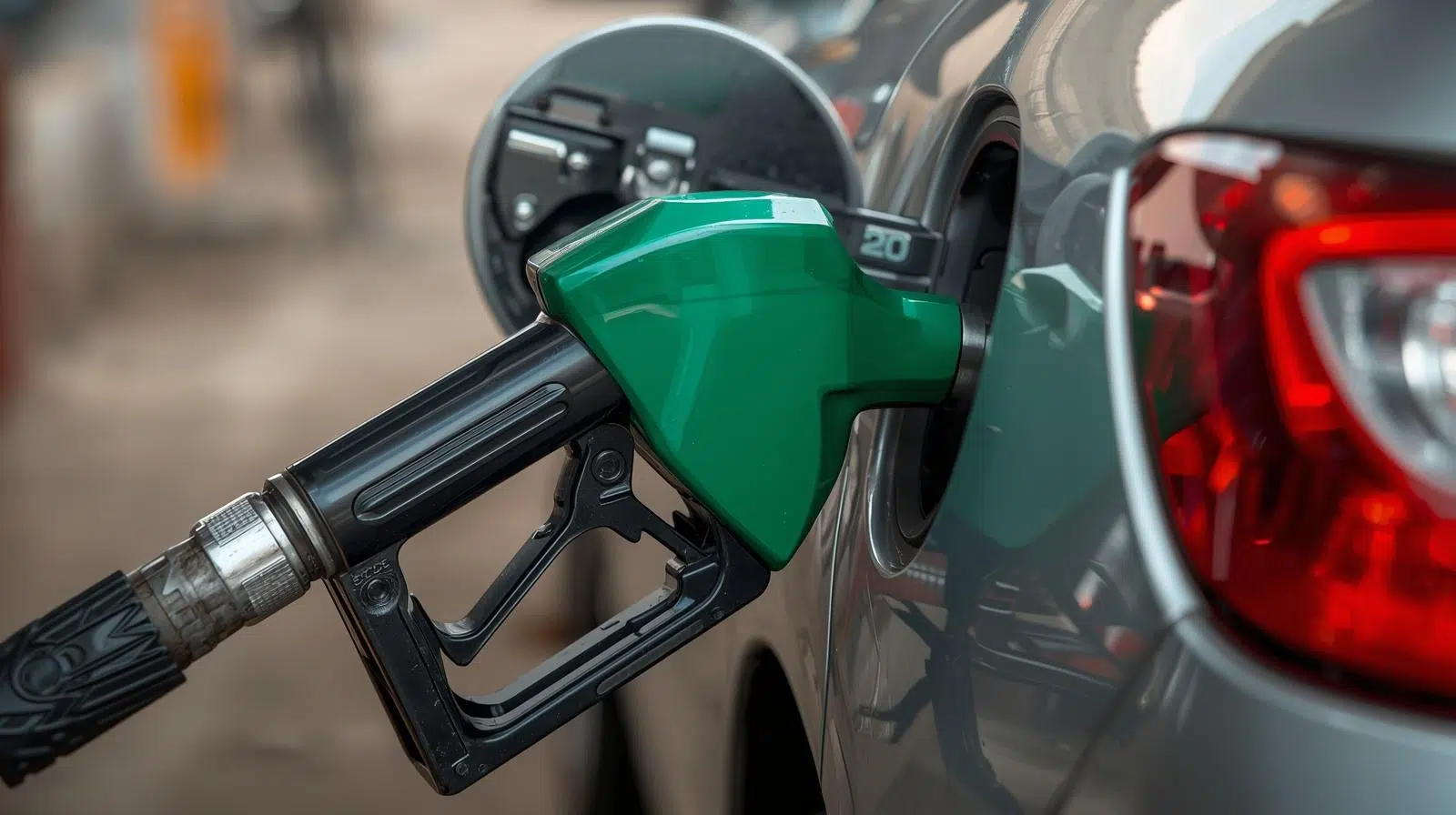
Bhubaneswar: In a significant step aimed at curbing pollution and reducing dependence on imported crude oil, the Union govt has rolled out E20 fuel—a blend of 20% ethanol and 80% petrol—across the country from April 1, 2026.


Meanwhile, unconfirmed reports suggest that ethanol blending levels may be increased to 40% in future.
While some experts expressed concern that higher ethanol content could impair engine efficiency, affect piston performance, and damage automotive components, others have welcomed it.
According to Niti Aayog expert committee report, “Ethanol or ethyl alcohol is an organic compound produced from biomass such as sugarcane, maize and grains through fermentation.
It has a higher-octane number than gasoline, which helps improve fuel efficiency.” However, reports said internal combustion engines convert 40% of the fuel’s energy, while 60% is lost due to heat or friction.
Based on this report, the efficiency of E20 will decrease. Besides, petrol is highly combustible compared to ethanol.
Expressing concerns, Odyssa Automobile Development Association (OADA) chairman Sandeep Mohanty said, “The focus is now shifting towards EVs. E20 may reduce pollution, but it could affect vehicles.
Blending in fuel can impact its quality and reduce mileage, apart from affecting engine piston performance in the long run.”
Mohd Jahid Khan, researcher and lecturer at the Department of Automobile Engineering, Maulana Azad National Urdu University, Cuttack, said, “Vehicle engines are designed for specific fuel properties.
Any change in fuel density can affect engine performance, including piston movement.
If E20 matches the properties of conventional petrol, it may not cause issues.
However, ethanol has a different chemical nature, which could impact engine components over time.” Utkal Petroleum Dealers’ Association general secretary Sanjay Lath said, “Ethanol blending started at 1.5% in 2014 and reached around 10% by 2020-21.
The Centre had set a target of 20% blending which has now been achieved. People have been using ethanol-blended petrol for years.”
“As ethanol is derived from biomass, it will benefit farmers and help reduce pollution,” Lath added.
According to sources, an inter-ministry committee has been formed that is likely to present a report to the petroleum ministry on 30% ethanol use.
For this, research is being conducted on an enhanced engine and infrastructure, which will support the blending of E30 in petrol.
The government has now developed flexi engines which can perform with 100% ethanol, said sources.
Overall, it can be said that while consumers will keep paying enhanced fuel costs, the liquid that goes into their vehicles will have lower combustibility and damage pumps, carburettors, plastic and rubber pipes and other engine parts, which will force consumers to spend more on vehicle maintenance.