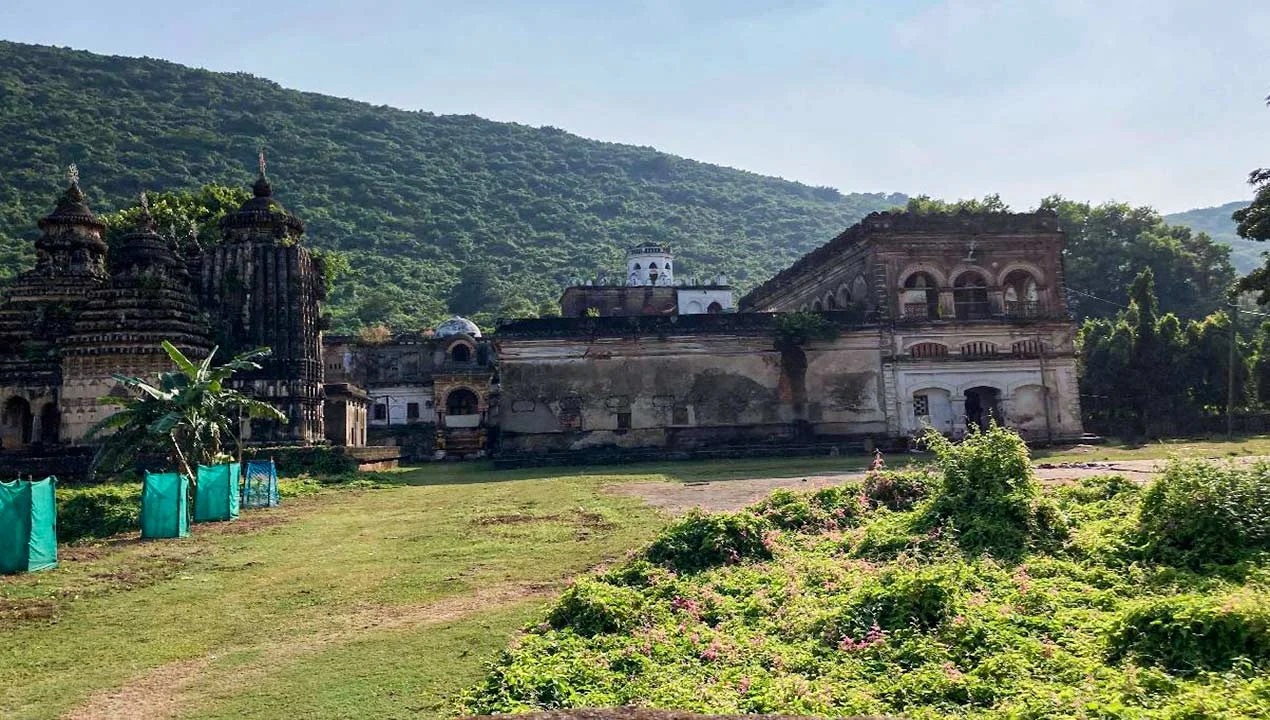
Bhubaneswar: In a significant move to boost heritage tourism and preserve Odisha’s rich architectural legacy, the state government has notified the Operational Guidelines for Promotion of Heritage Properties under the Odisha Tourism (Amendment) Policy, 2026. The initiative aims to encourage conservation, restoration and tourism-oriented development of heritage buildings constructed before 1950 through a range of incentives and subsidies.
According to the guidelines, heritage properties eligible for government support must be developed within structures possessing architectural, historical and cultural significance while retaining their original heritage features and ambience. The policy covers a wide range of tourism units, including heritage hotels, museums, restaurants, cafeterias, banquet facilities, resorts, homestays, palaces and art and craft centres.


A heritage hotel, for instance, must operate from a palace, fort, haveli, hunting lodge or traditional residence built before 1950 and have a minimum of five lettable rooms. Similarly, heritage museums, restaurants and banquet facilities must function within heritage structures and meet prescribed standards related to infrastructure, hygiene and visitor amenities. Deputy CM Pravati Parida said the main objective of the policy is to provide heritage sites with better amenities, promote them as tourist-friendly destinations, ensure their preservation, and develop them into world-class heritage attractions.
To qualify for incentives, applicants must establish clear ownership of the property or possess a valid lease of at least 10 years. Documentary evidence proving that the structure was built before 1950 will be mandatory. Such proof may include revenue records, historical documents, administrative reports, assessments by district authorities, reports from the Archaeological Survey of India (ASI), recognised conservation experts or published research papers.
A key feature of the policy is the requirement for a detailed pre-work assessment of heritage properties before any repair, renovation or restoration work begins. The assessment, to be conducted by government-approved conservationists, will include geo-tagged photographs, videography, measured drawings and condition reports to establish the property’s baseline status.
Aparna Singh, Queen of Gadamadhupur in Jajpur, welcomed the move but said certain aspects need further clarification, particularly regarding how renovation work will be undertaken by the government and the power dynamics between property owners and the state.
“In states like Rajasthan, the government supports heritage property owners by providing renovation assistance through loans at a very low rate of interest and also helps promote the palaces to attract tourists. If similar measures are implemented here, it would be a positive and holistic decision,” she said.