By Arindam Ganguly, OP
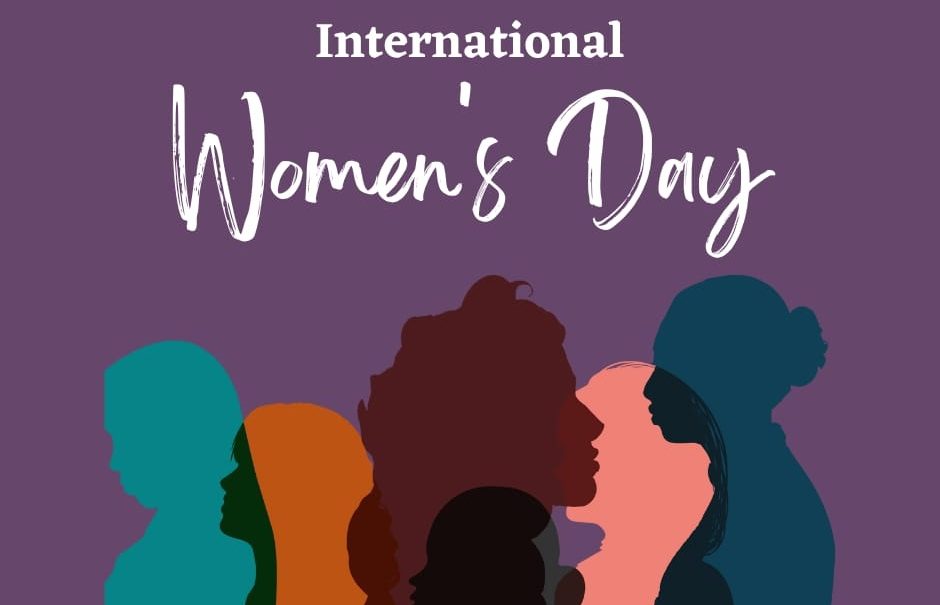
Bhubaneswar: As the world observes International Women’s Day today (March 8), discussions on gender equality and women’s empowerment are gaining momentum across Odisha, with women increasingly making their mark in education, administration, entrepreneurship, sports and public life.


Over the years, the state and Central governments have launched several initiatives to strengthen women’s welfare and promote their participation across sectors. In Odisha, programmes focusing on self-help groups, skill development and financial inclusion have enabled many women to achieve economic independence and contribute to community development.
However, despite the progress, many say deep-rooted social attitudes and stereotypes continue to shape perceptions of women in both professional and personal spheres. From workplace bias to balancing career and family responsibilities, women still face multiple challenges while striving for equal opportunities and recognition.
 College student Anandita Mishra pointed out the double standards women often face while striving for success. “A man is encouraged to focus entirely on excellence and career growth. But when a woman pursues the same ambitions, she is expected to balance it with being a perfect homemaker. If she prioritises her career, she is often labelled selfish and faces taunts,” she said.
“When a woman climbs the corporate ladder, people sometimes speculate about favours or shortcuts. But when a man achieves the same success, he is simply called talented,” she noted, adding that stereotypes such as ‘women belong in the kitchen’ still persist in everyday life.
 Women’s activist Matrumayee Priyadarshini said empowerment must go beyond policies. “There may be hundreds of initiatives meant to empower women, but the real question is — why do we still feel the need to prove their empowerment?” she said.
“A woman manages her home, her work and her family. Even during days of menstrual discomfort, she continues to shoulder responsibilities with resilience. Yet society still questions whether she is truly empowered,” she added.
 Nutrition coach and mother Priyanka Singh Deo spoke about the “double burden” many working women continue to face. “In our generation, gender equality is slowly becoming the norm in workplaces. But the real challenge often begins after the 9-to-5 ends,” she said.
“Even when a woman is a high-performing professional, society expects her to be the ‘chief household officer’, managing meals, children and the household. This creates a huge mental load that often leads to burnout,” Singh Deo noted.
 Actor Sonalli Sharmisstha Mohanty said patriarchal attitudes continue to influence social perceptions of women. “In a patriarchal society, women are often judged for many things. Many still feel they need permission to be independent or make their own choices,” she said, adding that growing awareness and education are gradually helping change such mindsets.
 Meanwhile, social activist Namrata Chadha stressed that gender equality must involve both men and women. “Women are neither mythical figures like Durga nor weaker beings — they are simply human beings. Equality should be about mutual respect rather than competition,” she said, while also warning about the rise of misogynistic comments on social media.
As these voices reflect, International Women’s Day is not only a time for celebration but also for reflection on the ongoing journey towards true equality.