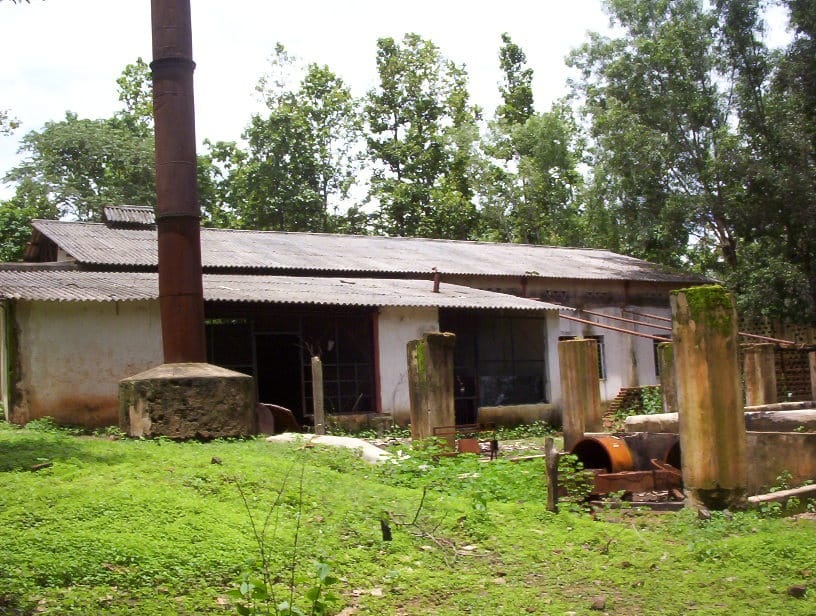
Keonjhar: The Taramakanta tea garden in this district was once famous not only in Odisha, but all over the country and even outside India’s boundaries. However, now for close to two decades, it has remained shut much to the disappointment of people living in its vicinity. Locals blamed the Odisha government for the closure of the garden. The residents of Banspal block led by chairperson Manas Dehuri, all sarpanchs and samiti members had submitted a memorandum to 5T chairman Kartik Pandian for reopening of the garden a few months back.
However, till now no steps have been taken for the revival of the garden, Taramakanta panchayat samiti member Ajit Kumar Nayak said. He added that chances of reopening the garden appear very slim.


Incidentally, the garden, once managed by the Odisha Tea Plantation Ltd, was the lone one in the state. The tea leaves were in great demand for their superior quality. The leaves were sent to different parts of India and also exported to countries like Japan, France, Germany, Great Britain, USA, Russia and Canada. Sources said the tea garden was set up at Taramakanta under the collaboration of state-run Industrial Promotion and Investment Corporation of Odisha Ltd (IPICOL) and industrialist Basant Kumar Dubey in 1982. The promoters took a loan of Rs 2.24 crore from United Bank of India to set up the garden on 896.54 hectares of land. It was named Odisha Tea Plantation Ltd as it was a joint venture between IPICOL and Dubey.
Soon, the garden became a name to reckon with because of the superior quality of its product. The tea garden which became operational in 1983 was doing brisk business till 2002. It was also beneficial for the men and women of the Bhuyan and Juang communities. Many of their members were employed in the garden and were earning a decent livelihood. Since its inception, the garden has earned substantial profits.
However, bad times hit the garden in 2003. Production diminished as demand for tea leaves from the garden decreased. Employees and labourers started leaving for better opportunities elsewhere. It was completely shut down in 2004. Many members of the tribal Juang and Bhuyan communities who worked in the garden are yet to receive their dues till now, sources said. Locals feel that the garden could still be profitable if the state government takes the initiative to reopen it and run it professionally. As of now, the garden wears a haunted look