
By Mihir Kanta Das
Bhubaneswar: In Indian democracy, the verdict of the people is surely supreme. Often, those in power maintain a firm belief in their victory based on the strength of their power and position; however, voters have frequently made them taste the bitterness of defeat.
There have been several high-profile instances where incumbent Chief Ministers lost their own seats. Joining this list now are outgoing Tamil Nadu Chief Minister M.K. Stalin and West Bengal Chief Minister Mamata Banerjee. This major upset was witnessed during the vote counting Monday 5 May 2026.
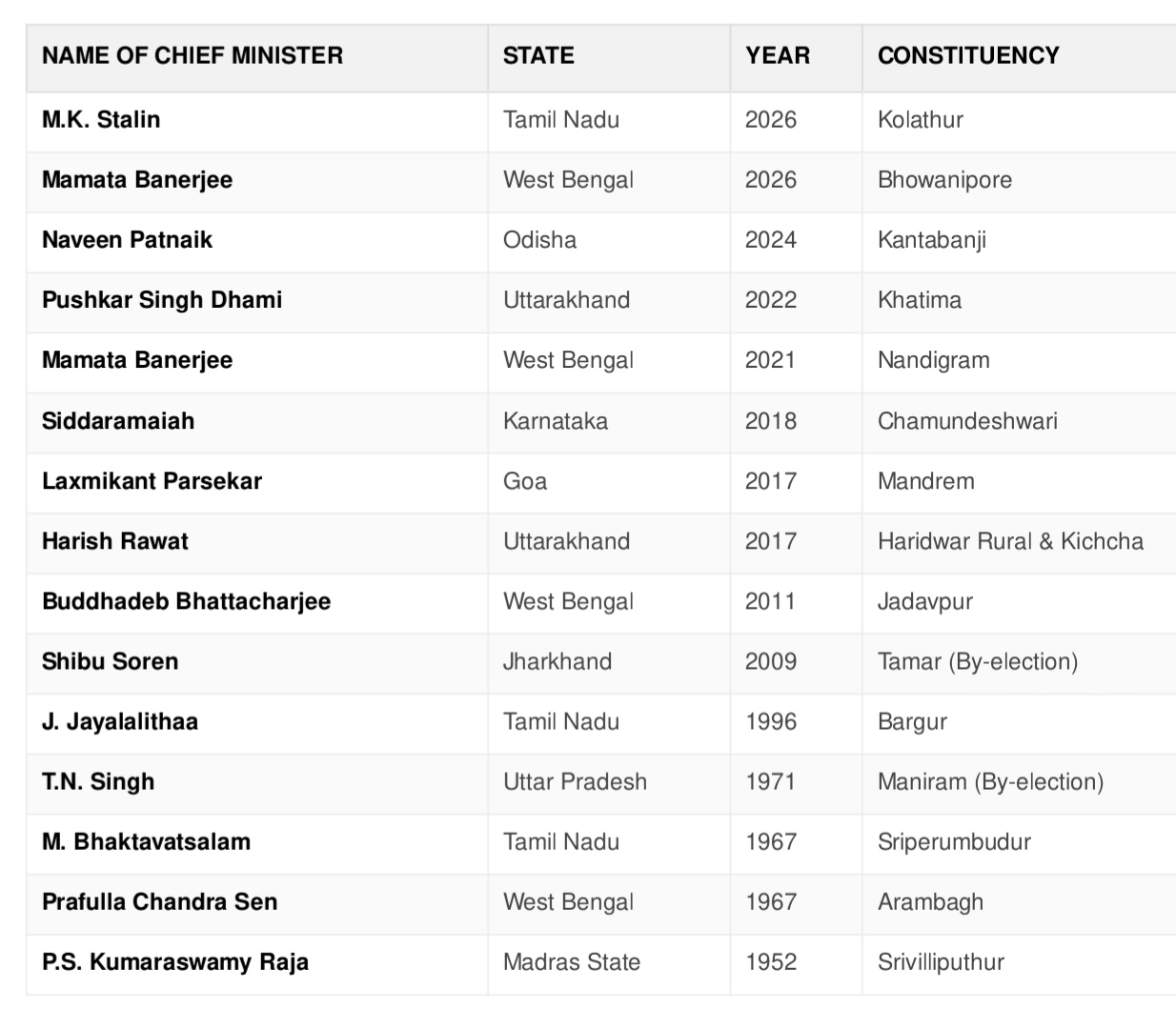

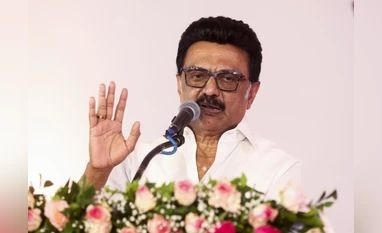
DMK chief and Chief Minister Stalin was defeated in his traditional stronghold of Kolathur. He lost by a margin of 18,795 votes to V.S. Babu, a candidate from actor Vijay’s party, ‘TVK’.

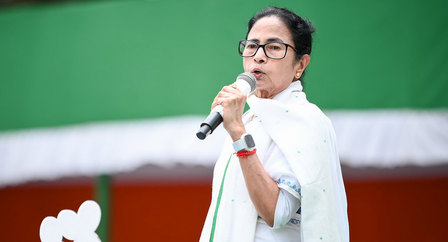
Similarly, Mamata Banerjee lost her Bhabanipur seat to BJP candidate Suvendu Adhikari by a margin of 15,105 votes.

A similar trend was seen in Odisha in 2024. Biju Janata Dal (BJD) President Naveen Patnaik, who had occupied the Chief Minister’s chair for 24 years, contested from two seats. Although he won from Hinjili with a very slim margin, he was defeated in the Kantabanji seat by BJP candidate Laxman Bag by 16,344 votes. This was a rare occurrence in Odisha’s history for a sitting CM.


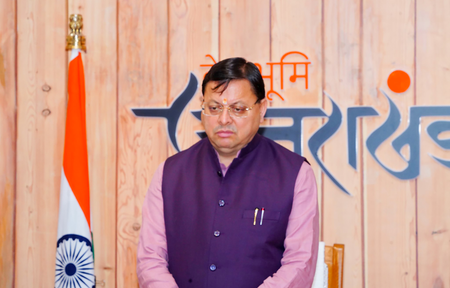
The BJP has also faced such situations. In the 2022 Uttarakhand elections, despite the BJP gaining a majority to form the government, the then Chief Minister Pushkar Singh Dhami lost his Khatima seat to Congress candidate Bhuwan Chandra Kapri by 6,579 votes. He later won a by-election to remain Chief Minister.

Recent defeat of Mamata Banerjee also reminds us of her past performance. In 2021, even though the Trinamool Congress (TMC) achieved a massive victory in West Bengal, Chief Minister Mamata Banerjee was defeated in the Nandigram seat by BJP’s Suvendu Adhikari. It was a high-voltage contest where she lost by a narrow margin of just 1,956 votes.
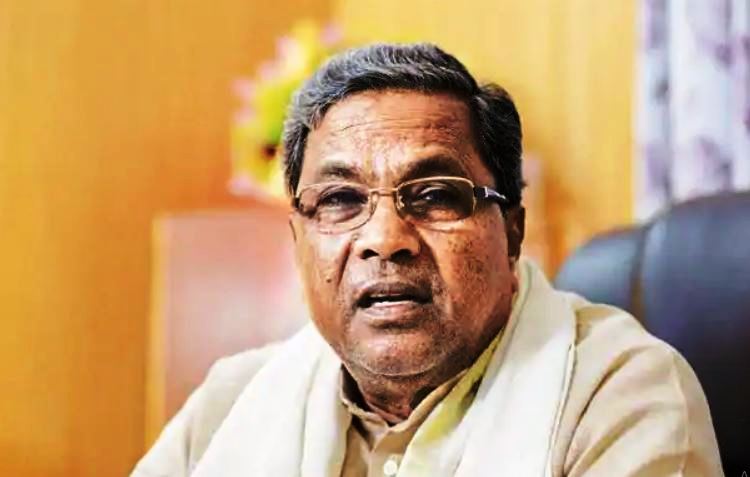
Three years prior, in the Karnataka elections, the then Congress Chief Minister Siddaramaiah contested from two seats. While he won the Badami seat with great difficulty, he was defeated in the Chamundeshwari constituency by JDS candidate G.T. Devegowda by approximately 36,000 votes.

A similar incident occurred in Goa. In the 2017 Goa Assembly elections, BJP leader and Chief Minister Laxmikant Parsekar was defeated in his Mandrem seat by Congress candidate Dayanand Sopte by 7,119 votes. At that time, six cabinet ministers from his government also lost. Parsekar has since moved away from the BJP since 2022.

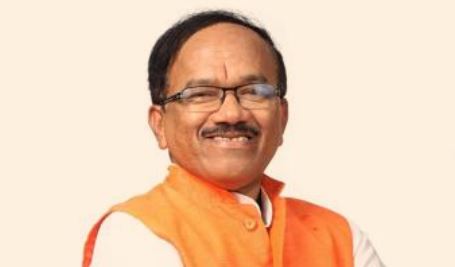
In 2017, Uttarakhand also witnessed a major electoral disaster. Congress leader and Chief Minister Harish Rawat faced defeat in both the Haridwar Rural and Kichcha seats.


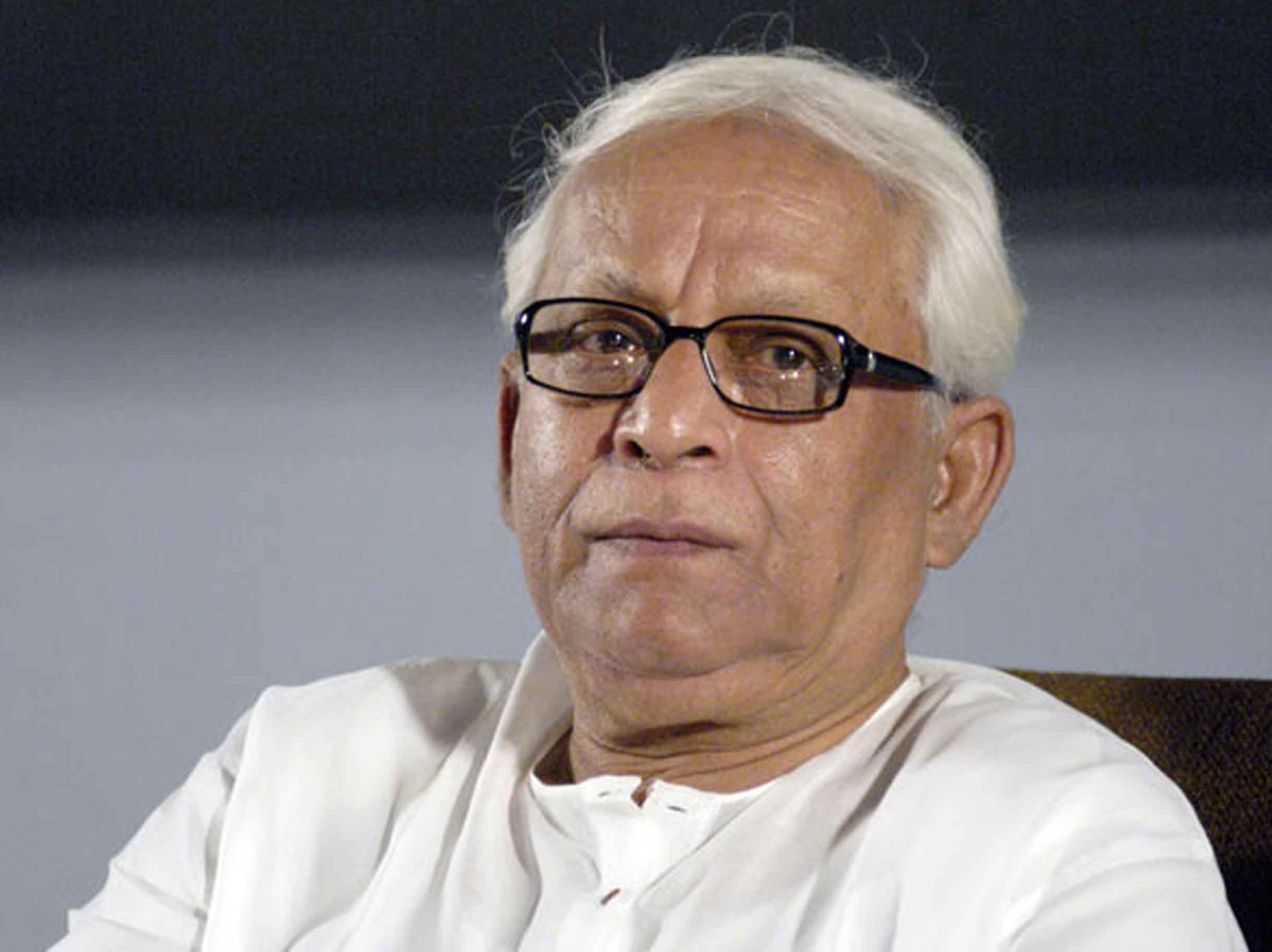
However, the 2011 West Bengal elections surprised many. During the collapse of the 34-year Left rule in West Bengal, then Chief Minister Buddhadeb Bhattacharjee lost his Jadavpur seat to TMC’s Manish Gupta by 16,684 votes. Interestingly, Manish Gupta had previously served as the ‘Chief Secretary’ under Buddhadeb’s government.

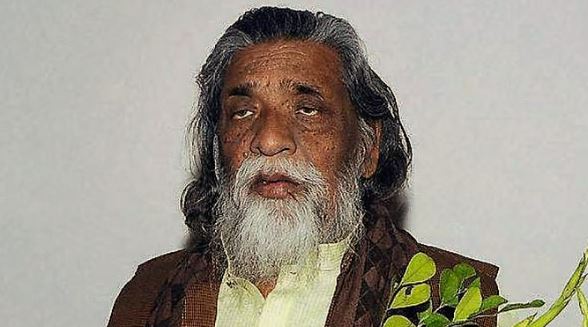
Two other major names in this list are Shibu Soren and J. Jayalalithaa. While serving as Jharkhand Chief Minister, Shibu Soren had to enter the Assembly by contesting a by-election from the Tamar seat in 2009. He lost to Jharkhand Party candidate Gopal Krishna Patar (popularly known as ‘Raja Peter’) by a margin of about 9,000 votes. Consequently, as per constitutional norms, he had to resign from the Chief Minister’s post.

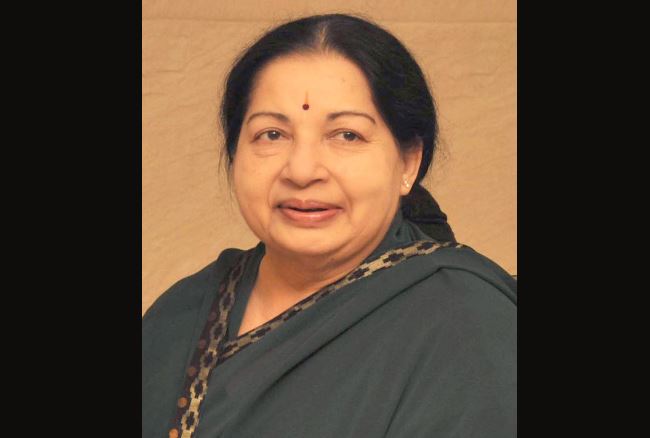
Similarly, in 1996, one of the biggest political defeats in Tamil Nadu’s history occurred when Chief Minister Jayalalithaa lost the Bargur seat to DMK’s newcomer candidate E.G. Sugavanam by 8,366 votes, and her party was restricted to just 4 seats across the state.

Looking at older incidents, the name of Tribhuvan Narain Singh (T.N. Singh) emerges. When he became the Chief Minister of Uttar Pradesh in October 1970, he was not a member of the Legislative Assembly. Representing the Congress (O) party, Tribhuvan contested a by-election from the Maniram seat in 1971 and was defeated by Congress (I) candidate Ramakrishna Dwivedi by over 6,000 votes. He was the first sitting Chief Minister of India forced to resign after losing a by-election.

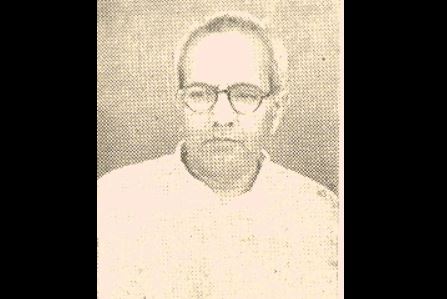
Similarly, 1967 was a landmark year for Tamil Nadu (then Madras State), as it saw the end of Congress rule for the first time. Then Chief Minister M. Bhaktavatsalam contested from the Sriperumbudur seat and was defeated by DMK candidate D. Rajarathnam. With this defeat, Congress rule ended in Tamil Nadu in such a way that the party has not been able to form a government on its own strength there to this day.

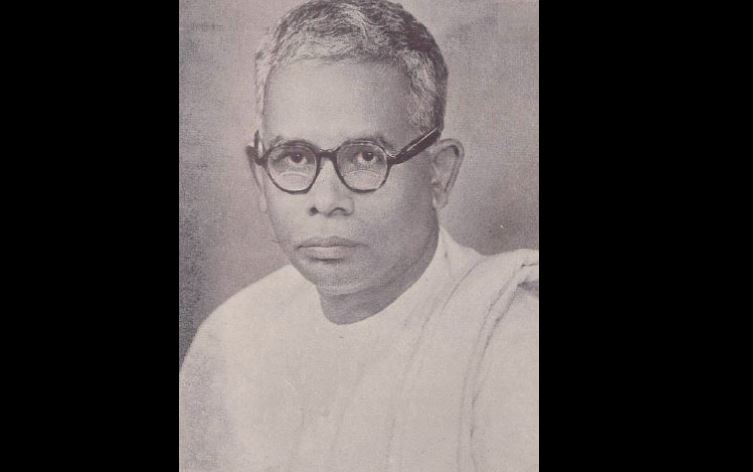
In that same year, 1967, Prafulla Chandra Sen—known as an invincible leader—fell victim to public resentment in West Bengal. While serving as Chief Minister, he was defeated in the Arambagh seat by his former associate Ajoy Mukherjee (who had formed the Bangla Congress). This defeat diminished Congress’s influence in West Bengal and subsequently laid the foundation for Left rule.

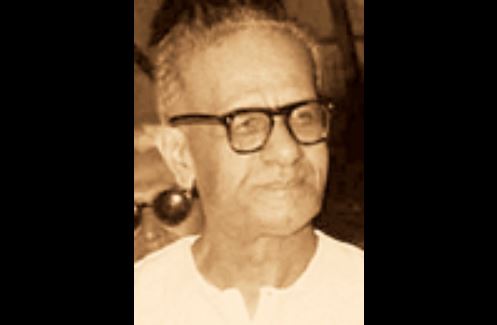
Looking at an event from independent India’s early years, in 1952, the Chief Minister of Madras State (which then included parts of Andhra, Karnataka, and Tamil Nadu), P.S. Kumaraswamy Raja, was defeated in the Srivilliputhur seat by an independent candidate. He was the first leader in independent India to lose an election as a sitting Chief Minister. Later, he was also appointed as the Governor of Odisha.