Odisha News, Odisha Latest news, Odisha Daily - OrissaPOST
  • Home
  • Trending
  • State
  • Metro
  • National
  • International
  • Business
  • Feature
  • Entertainment
  • Sports
  • More..
    • Odisha Special
    • Editorial
    • Opinion
    • Careers
    • Sci-Tech
    • Timeout
    • Horoscope
    • Today’s Pic
  • Video
  • Epaper
  • News in Odia
  • Home
  • Trending
  • State
  • Metro
  • National
  • International
  • Business
  • Feature
  • Entertainment
  • Sports
  • More..
    • Odisha Special
    • Editorial
    • Opinion
    • Careers
    • Sci-Tech
    • Timeout
    • Horoscope
    • Today’s Pic
  • Video
  • Epaper
  • News in Odia
No Result
View All Result
OrissaPOST - Odisha Latest news, English Daily -
No Result
View All Result

Private affluence, public poverty

Updated: June 12th, 2026, 08:42 IST
in Opinion
0
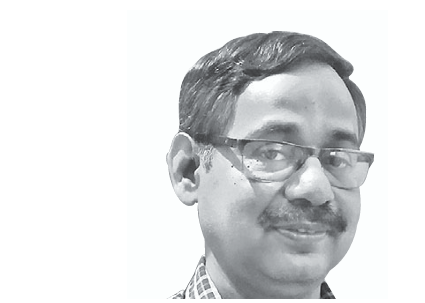
Santosh Kumar Mohapatra

Pic-OP

Share on FacebookShare on TwitterShare on WhatsAppShare on Linkedin

Santosh Kumar Mohapatra

The world today is witnessing an unparalleled concentration of wealth. Never before in human history have so few individuals controlled such vast economic resources. While technological innovation, globalization, artificial intelligence, digital platforms, and financial markets have created extraordinary opportunities for wealth generation, they have also produced widening inequalities. The central question confronting modern societies is whether economic growth and wealth creation automatically lead to social welfare and human development. More than six decades ago, prominent economist John Kenneth Galbraith raised this question in his influential book “The Affluent Society.” Galbraith argued that advanced capitalist economies often generate enormous private wealth while neglecting public goods and social welfare. He described this contradiction as “private affluence and public poverty”—a situation where luxury consumption expands rapidly while public services such as education, health care, housing, transportation, and environmental protection remain inadequate. Today, Galbraith’s warning appears more pertinent than ever. According to the latest global billionaire rankings published by Forbes in 2026, the combined wealth of the world’s ten richest individuals has reached approximately $2.9 trillion.

Also Read

Slavoj Žižek

Democratic Socialism

24 hours ago
Bhabani Shankar Nayak

AI & Eurocentric knowledge traditions

2 days ago

To understand the scale of this concentration, it is useful to note that this amount exceeds the annual GDP of many large economies. Contrary to popular belief, billionaires do not hold vast piles of cash. Most of their wealth exists as ownership of shares, stocks, and financial assets. When the market value of companies such as Tesla, Amazon, Alphabet, Nvidia, Oracle, or Meta rises, the net worth of their founders and major investors increases correspondingly. Thus, billionaire wealth today is driven largely by financial markets, investor expectations, technological innovation, and speculative future growth. India reflects the same global trend.

According to the latest Forbes’ billionaire rankings, India had around 205 billionaires in 2025, which increased to approximately 229 in 2026. Their combined wealth now exceeds $1 trillion, making India one of the fastest-growing centres of private wealth accumulation in the world. India’s economic growth has undoubtedly reduced extreme poverty over the long term. Yet the benefits of growth remain distributed unevenly. Organisations such as Oxfam have drawn attention to structural factors underlying billionaire wealth. The first is inheritance. Large fortunes are often transferred across generations, creating a form of modern economic aristocracy. The second factor is monopoly power and market dominance. Large corporations often control significant portions of markets, reducing competition and increasing their ability to influence prices, wages, and consumer behaviour. The third factor is crony capitalism. Wealthy corporations frequently benefit from favourable regulations, tax concessions, government contracts, privatization policies, and political influence. Labour exploitation remains another important concern.

Workers frequently receive only a fraction of the economic value they generate. Productivity growth often benefits shareholders and corporate executives more than employees. As a result, corporate profits rise much faster than wages. Global supply chains further intensify this process. Low-cost labour in developing countries contributes significantly to corporate profitability. Products manufactured by poorly paid workers frequently generate enormous returns for multinational corporations and investors located elsewhere. Economic growth remains essential for improving living standards and expanding opportunities. The real question is how the benefits of growth are distributed. A nation’s success cannot be measured merely by the number of billionaires it produces or by stock market indices. Genuine development should be evaluated through broader indicators: quality education, accessible health care, productive employment, social mobility, gender equality, environmental sustainability, and the dignity of labour. Economic growth that enriches only a small minority while leaving large sections behind cannot remain socially or politically sustainable indefinitely. The challenge before India is not simply to create more billionaires, unicorns, or corporate giants. The greater challenge is to ensure that prosperity is shared more widely, public institutions are strengthened, and economic progress translates into improved lives for all citizens.

The writer is an Odisha-based economist and columnist.


Orissa POST – Odisha’s No.1 English Daily

 

ShareTweetSendShare
Suggest A Correction

Enter your email to get our daily news in your inbox.


OrissaPOST epaper Sunday POST OrissaPOST epaper

Click Here: Plastic Free Odisha

#MyPaperBagChallenge

Arya Ayushman

December 12, 2019
#MyPaperBagChallenge

Nishikant Rout

December 12, 2019
#MyPaperBagChallenge

Anasuya Sahoo

December 12, 2019
#MyPaperBagChallenge

Debasis Mohanty

December 12, 2019
#MyPaperBagChallenge

Diptiranjan Biswal

December 12, 2019
#MyPaperBagChallenge

Manas Samanta

December 12, 2019
#MyPaperBagChallenge

Anshuman Sahoo

December 12, 2019
#MyPaperBagChallenge

Pratyasharani Ghibela

December 12, 2019
?????????????????????????????????????????????????????????????????????????????????????????????????????????????????????????????????
#MyPaperBagChallenge

Dibya Ranjan Das

December 12, 2019
#MyPaperBagChallenge

Adweeti Bhattacharya

December 12, 2019
#MyPaperBagChallenge

Vandana Singh

December 12, 2019
#MyPaperBagChallenge

Jyotshna Mayee Pattnaik

December 12, 2019
#MyPaperBagChallenge

Lopali Pattnaik

December 12, 2019
#MyPaperBagChallenge

Smitarani Sahoo

December 12, 2019
#MyPaperBagChallenge

Mandakini Dakua

December 12, 2019
#MyPaperBagChallenge

Bijswajit Pradhan

December 12, 2019
#MyPaperBagChallenge

Tapaswini Mallick

December 12, 2019
#MyPaperBagChallenge

Praptimayee Biswal

December 12, 2019
#MyPaperBagChallenge

Saishree Satyarupa

December 12, 2019
#MyPaperBagChallenge

Pitabas Tripathy

December 12, 2019
#MyPaperBagChallenge

Sibarama Khotei

December 12, 2019
#MyPaperBagChallenge

Narendra Kumar

December 12, 2019
#MyPaperBagChallenge

Aman Kumar Barisal

December 12, 2019
#MyPaperBagChallenge

D Rama Rao

December 12, 2019
#MyPaperBagChallenge

Rajashree Pravati Mohanty

December 12, 2019
#MyPaperBagChallenge

Geetanjali Patro

December 12, 2019
#MyPaperBagChallenge

Archana Parida

December 12, 2019
#MyPaperBagChallenge

Archit Mohapatra

December 12, 2019
#MyPaperBagChallenge

Subhajyoti Mohanty

December 12, 2019
#MyPaperBagChallenge

Akriti Negi

December 12, 2019

Archives

Editorial

Shutting Out ‘Satluj’

Satluj
July 8, 2026

Art, books and cinema have been at the forefront when it comes to representing the voice of the people and...

Read moreDetails

SIR Merry Go Round

SIR
July 7, 2026

The worst fears of people about inherent dangers of the Special Intensive Revision (SIR) of electoral rolls seem to be...

Read moreDetails

Citizens High & Dry

Crude oil
July 6, 2026

The significant fall in global crude oil prices following the interim peace deal signed between the US and Iran should...

Read moreDetails

Violence as Virtue

Aakar Patel
July 5, 2026

By Aakar Patel The teaser for Chauhaan - the latest in the line of movies selling majoritarian propaganda - is...

Read moreDetails
  • Home
  • State
  • Metro
  • National
  • International
  • Business
  • Editorial
  • Opinion
  • Sports
  • About Us
  • Advertise
  • Contact Us
  • Jobs
Developed By Ratna Technology

© 2025 All rights Reserved by OrissaPOST

  • News in Odia
  • Orissa POST Epaper
  • Video
  • Home
  • Trending
  • Metro
  • State
  • Odisha Special
  • National
  • International
  • Sports
  • Business
  • Editorial
  • Entertainment
  • Horoscope
  • Careers
  • Feature
  • Today’s Pic
  • Opinion
  • Sci-Tech
  • About Us
  • Contact Us
  • Jobs

© 2025 All rights Reserved by OrissaPOST

    • News in Odia
    • Orissa POST Epaper
    • Video
    • Home
    • Trending
    • Metro
    • State
    • Odisha Special
    • National
    • International
    • Sports
    • Business
    • Editorial
    • Entertainment
    • Horoscope
    • Careers
    • Feature
    • Today’s Pic
    • Opinion
    • Sci-Tech
    • About Us
    • Contact Us
    • Jobs

    © 2025 All rights Reserved by OrissaPOST