Rourkela: There is no letup in the rise of leprosy cases in Sundargarh district, with 707 new patients identified over the past 20 months.
Health officials attribute the increase to a shortage of manpower like healthcare professionals, including paramedical staff and physiotherapists, as well as inadequate infrastructure, such as designated hospitals. Reports said that in between April and July alone, 81 additional cases were detected.


The highest number of cases has been reported from the Hemgir area, particularly among the elderly and children. The average prevalence rate stands at 4.02 per cent. Despite the government spending crores of rupees annually to eradicate leprosy, the disease’s growth in Sundargarh remains a concern for all.
Also Read: Odisha chalks out ‘blueprint’ to deal with Maoists in Rourkela police district
According to sources, symptoms of leprosy typically appear five to six years after infection, making early diagnosis and surgical intervention challenging. The government is attempting to curb the spread through ASHA workers conducting tests at primary health centres and district headquarters hospitals, conducting awareness campaigns among the residents, and ensuring treatment facilities for the patients.
The government has also made appointments in the posts of district leprosy officer (DLO), special physiotherapist and para-medical workers and officers for complete eradication of the disease.
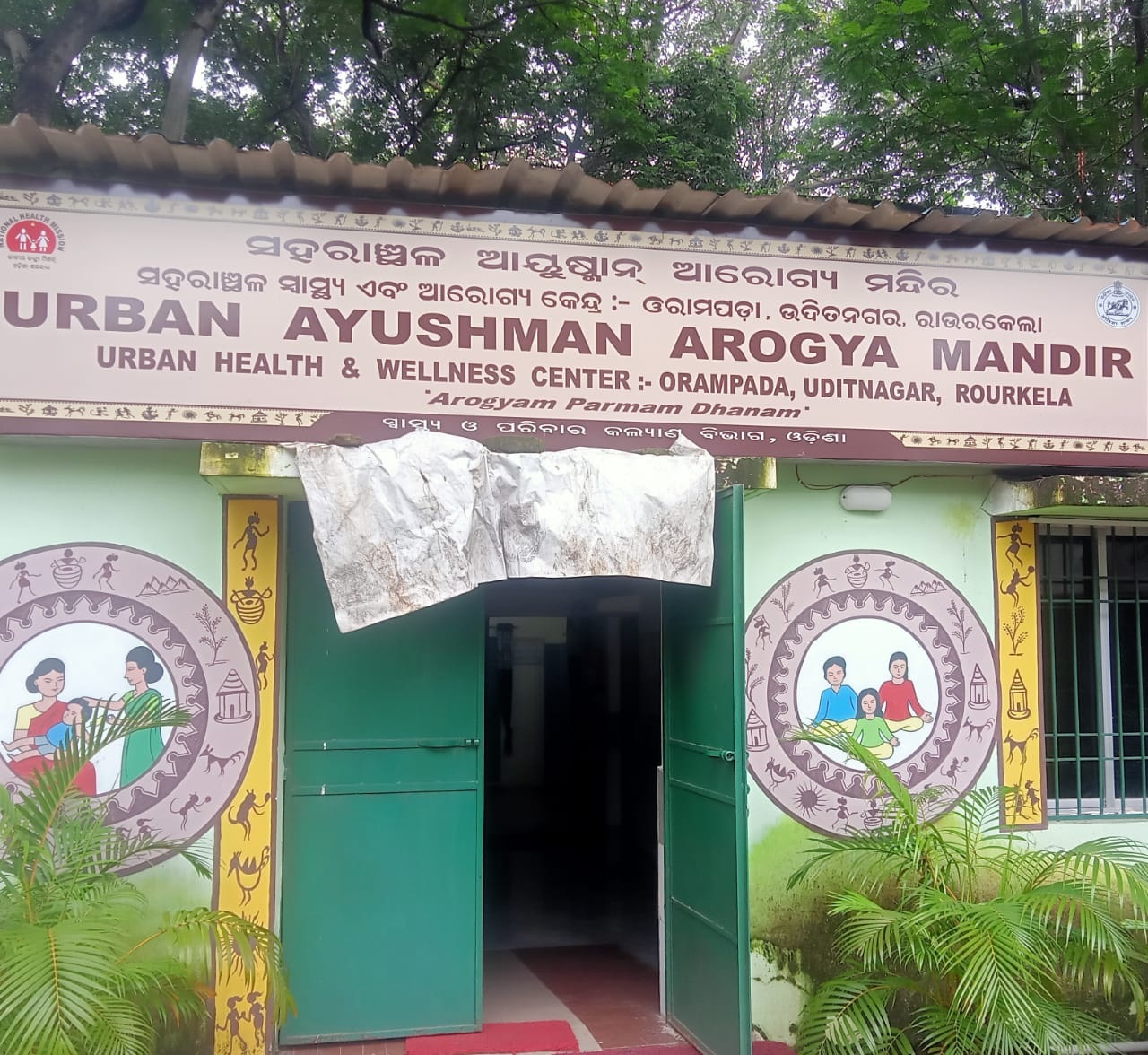
To boost eradication efforts, the government has appointed a district leprosy officer (DLO), a special physiotherapist, paramedical workers, and other officers. However, Sundargarh currently has only one physiotherapist for the entire district. Rourkela has six leprosy testing units, but no physiotherapist has been appointed yet. Unless cases are severe, patients are not diagnosed, treated or tested at Rourkela Government Hospital (RGH).
Patients also face difficulties due to the shortage of paramedical staff and physiotherapists in all six hospitals in the city.
Residents say manpower and infrastructure must be strengthened to reduce the disease’s prevalence.
When contacted, Sundargarh DLO Mahendra Tanti said government instructions and regulations are being followed at the grassroots level to control the spread of the disease. He added that patients are being provided with medicines, rehabilitation facilities, government incentives, and awareness programmes are being held from villages to urban centres. Tanti expressed hope that the prevalence of leprosy in the district will decline in the coming days.
PNN