Odisha News, Odisha Latest news, Odisha Daily - OrissaPOST
  • Home
  • Trending
  • State
  • Metro
  • National
  • International
  • Business
  • Feature
  • Entertainment
  • Sports
  • More..
    • Odisha Special
    • Editorial
    • Opinion
    • Careers
    • Sci-Tech
    • Timeout
    • Horoscope
    • Today’s Pic
  • Video
  • Epaper
  • News in Odia
  • Home
  • Trending
  • State
  • Metro
  • National
  • International
  • Business
  • Feature
  • Entertainment
  • Sports
  • More..
    • Odisha Special
    • Editorial
    • Opinion
    • Careers
    • Sci-Tech
    • Timeout
    • Horoscope
    • Today’s Pic
  • Video
  • Epaper
  • News in Odia
No Result
View All Result
OrissaPOST - Odisha Latest news, English Daily -
No Result
View All Result

This is how mobile data can be used to predict spread of disease

PTI
Updated: November 16th, 2019, 06:15 IST
in Sci-Tech
0
Share on FacebookShare on TwitterShare on WhatsAppShare on Linkedin

Geneva: Mobile phone data, and census models can be used to effectively predict the spatial distribution of infectious diseases, according to a study in Singapore which showed that location information can be used for tracking epidemics without invading the privacy of cellphone users.

The study, published in the journal Scientific Reports, compared different models of predicting people’s mobility, and concluded that having access to mobile phone location data can be crucial for understanding disease transmission dynamics.


Also Read

Drones

Ukraine offers drone defence tech as geopolitical bargaining tool

4 days ago

Andhra Pradesh to ban social media for children under 13 in 90 days

5 days ago

They said this data can ultimately aid in stopping an outbreak from evolving into an epidemic.

The researchers, including those from Ecole polytechnique federale de Lausanne (EPFL) in Switzerland, studied the relationship between human mobility and the 2013 and 2014 dengue outbreaks in Singapore.

According to the World Health Organization (WHO), dengue prevalence has increased 30-fold worldwide over the past 50 years with 3.9 billion people in 128 countries — almost half of the world’s population — exposed to the virus.

They found that even low levels of mobility can cause the epidemic to spread, underscoring the need for an effective spatial distribution model.

“Urbanisation, mobility, globalisation and climate change could be all factors in the emergence of vector-borne diseases, even here in Europe,” said Emanuele Massaro, the study’s lead author and a scientist at EPFL.

Massaro said most research, until now, examined how mobility affected the spread of infections in larger areas such as countries or regions.

In the current study, he said, the researchers focused on the same question, but in towns and cities.

“We also wanted to explore when people’s mobile phone location data might prove useful,” he added.

Using an specific model in which humans and mosquitoes are represented as agents that go through the epidemic stages of dengue, the researchers compared how the system responded to an outbreak against actual reported cases from 2013 and 2014 in Singapore.

They also compared four different mobility models, each using different datasets — mobile phone location data, census records, random mobility, and theoretical assumptions.

In each model, the citizens were assigned two locations – home and work – as places they visited daily and could potentially become infected.

The mobile phone model was based on anonymised device data sourced from a Singaporean mobile operator, using call, text, and other activity records to pinpoint users’ home and work addresses, the researchers said.

The researchers said phone location data is better than annual census records.

However, they said, accessing information from citizens’ phones is a problem since the data is owned by private companies.

“We need to think seriously about changing the law around accessing this kind of information – not just for scientific research, but for wider prevention and public health reasons,” Massaro said.

The researchers said their model could equally be applied to other vector-borne diseases, such as malaria.

PTI

Tags: dataDISEASEInternetMobile phoneRESEARCHscience
ShareTweetSendShare
Suggest A Correction

Enter your email to get our daily news in your inbox.


OrissaPOST epaper Sunday POST OrissaPOST epaper

Click Here: Plastic Free Odisha

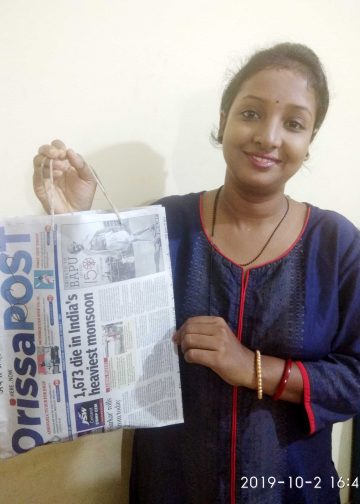
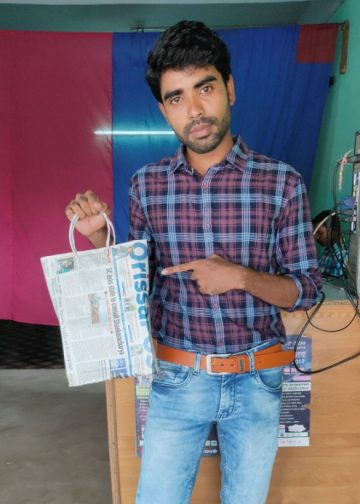
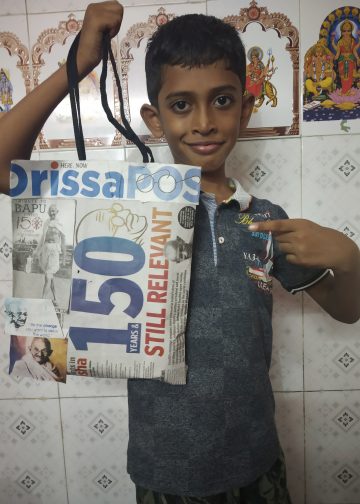
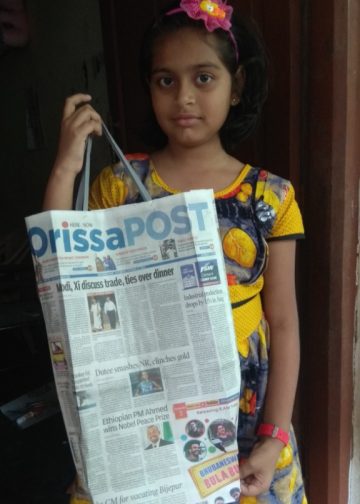
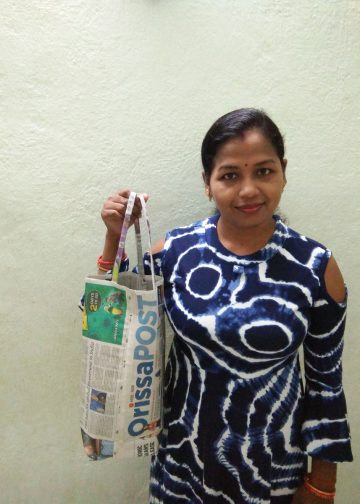
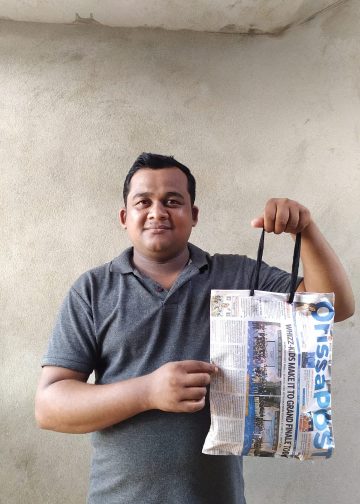
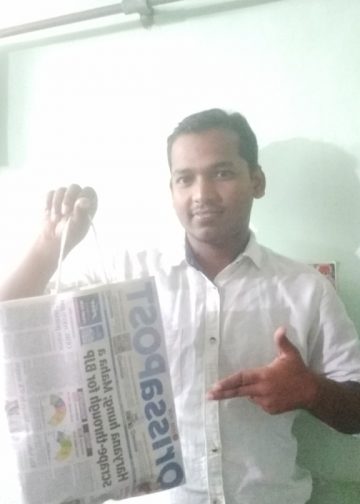
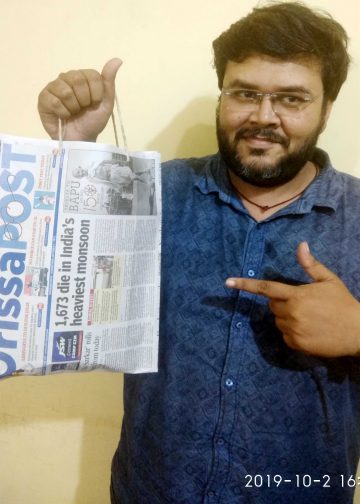
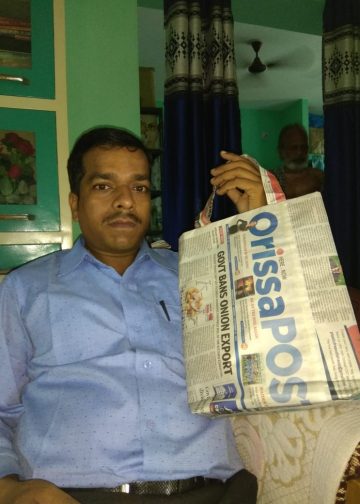
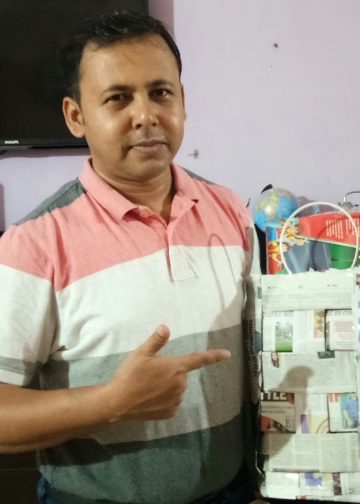
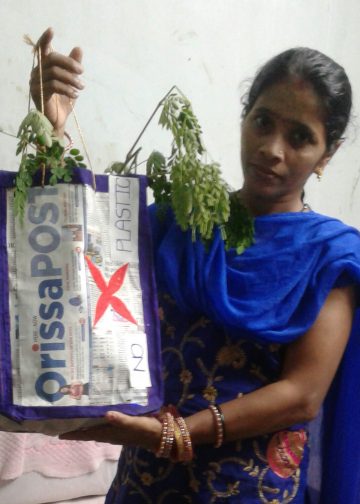
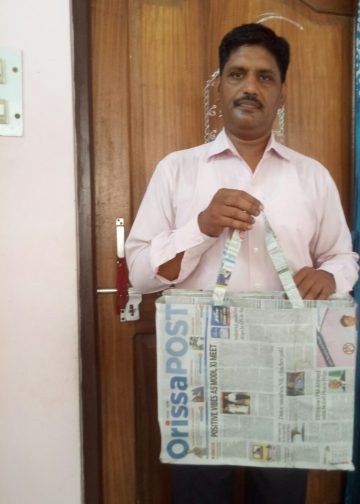
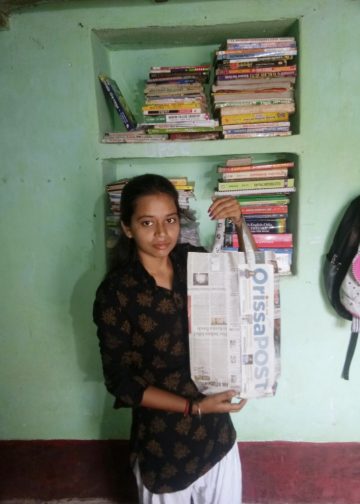
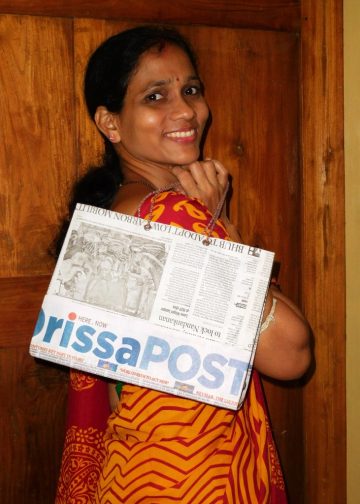
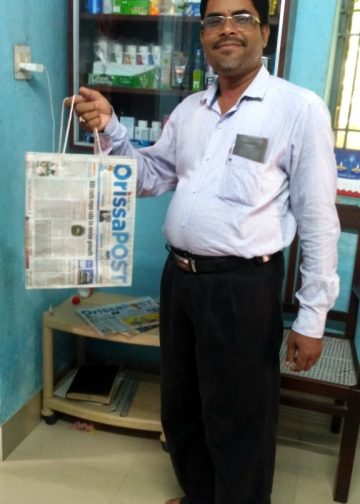
#MyPaperBagChallenge

Geetanjali Patro

December 12, 2019
#MyPaperBagChallenge

Vandana Singh

December 12, 2019
#MyPaperBagChallenge

Sarmistha Nayak

December 12, 2019
#MyPaperBagChallenge

Rajashree Pravati Mohanty

December 12, 2019
#MyPaperBagChallenge

Matrumangal Jena

December 12, 2019
#MyPaperBagChallenge

Archana Parida

December 12, 2019
#MyPaperBagChallenge

Keshab Chandra Rout

December 12, 2019
#MyPaperBagChallenge

Amritansh Mishra

December 12, 2019
#MyPaperBagChallenge

Surya Sidhant Rath

December 12, 2019
#MyPaperBagChallenge

Diptiranjan Biswal

December 12, 2019
#MyPaperBagChallenge

Subhajyoti Mohanty

December 12, 2019
#MyPaperBagChallenge

Bijswajit Pradhan

December 12, 2019
#MyPaperBagChallenge

Sibarama Khotei

December 12, 2019
#MyPaperBagChallenge

Pitabas Tripathy

December 12, 2019
#MyPaperBagChallenge

Priyabrata Mohanty

December 12, 2019
#MyPaperBagChallenge

Debasis Mohanty

December 12, 2019
#MyPaperBagChallenge

Akshaya Kumar Dash

December 12, 2019
#MyPaperBagChallenge

Arya Ayushman

December 12, 2019
#MyPaperBagChallenge

Subhajyoti Mohanty

December 12, 2019
#MyPaperBagChallenge

Jhili Jena

December 12, 2019
#MyPaperBagChallenge

Mrutyunjaya Behera

December 12, 2019
#MyPaperBagChallenge

Sipra Mishra

December 12, 2019
#MyPaperBagChallenge

Anasuya Sahoo

December 12, 2019
#MyPaperBagChallenge

Ramakanta Sahoo

December 12, 2019
#MyPaperBagChallenge

Akriti Negi

December 12, 2019
#MyPaperBagChallenge

Tabish Maaz

December 12, 2019
#MyPaperBagChallenge

Ipsita

December 12, 2019
#MyPaperBagChallenge

Aman Kumar Barisal

December 12, 2019
#MyPaperBagChallenge

Pratyasharani Ghibela

December 12, 2019
#MyPaperBagChallenge

Swarit Praharaj

December 12, 2019

Archives

Editorial

War Travails

War
March 11, 2026

The energy crisis engulfing the whole world is deepening with no sign of the war between Israel-USA and Iran ending...

Read moreDetails

Nepal’s Rapper PM

balendra shah
March 10, 2026

Nepal did what Bangladesh could not. Its Gen Z has transformed its pent-up anger against mainstream political parties and their...

Read moreDetails

Global Permit Raj

Permits
March 9, 2026

The insults heaped on India by senior officials of the Trump administration, including the PoTUS himself, that have become all...

Read moreDetails

Quiet Submission

March 8, 2026

By Aakar Patel I have no problem with the reality that as a nation we cannot always or even mostly...

Read moreDetails
  • Home
  • State
  • Metro
  • National
  • International
  • Business
  • Editorial
  • Opinion
  • Sports
  • About Us
  • Advertise
  • Contact Us
  • Jobs
Developed By Ratna Technology

© 2025 All rights Reserved by OrissaPOST

  • News in Odia
  • Orissa POST Epaper
  • Video
  • Home
  • Trending
  • Metro
  • State
  • Odisha Special
  • National
  • International
  • Sports
  • Business
  • Editorial
  • Entertainment
  • Horoscope
  • Careers
  • Feature
  • Today’s Pic
  • Opinion
  • Sci-Tech
  • About Us
  • Contact Us
  • Jobs

© 2025 All rights Reserved by OrissaPOST

    • News in Odia
    • Orissa POST Epaper
    • Video
    • Home
    • Trending
    • Metro
    • State
    • Odisha Special
    • National
    • International
    • Sports
    • Business
    • Editorial
    • Entertainment
    • Horoscope
    • Careers
    • Feature
    • Today’s Pic
    • Opinion
    • Sci-Tech
    • About Us
    • Contact Us
    • Jobs

    © 2025 All rights Reserved by OrissaPOST