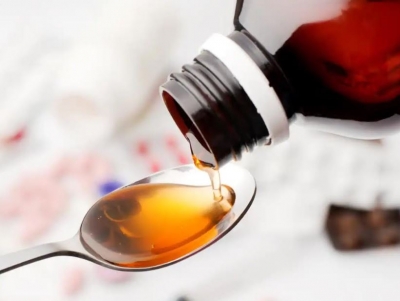
Drug adulteration is a major scourge in India where an unholy nexus of the all-powerful pharma industry and unscrupulous doctors, who are incentivised to prescribe medicines of specific brands, has been playing havoc with the lives of common people in the absence of little to no regulatory scrutiny. Within few weeks, at least 14 children in Madhya Pradesh and two in Rajasthan have died of renal failure allegedly after the consumption of a particular brand of cough syrup.
Investigations by Central and state drug regulators have revealed that the cough syrup ‘Coldrif’ contained chemicals such as diethylene glycol (DEG), a toxic industrial solvent used in antifreeze and brake fluids. DEG is highly toxic if ingested even in small amounts and has been known to cause kidney failure and death, especially in children. Shockingly, laboratory tests conducted by the Tamil Nadu Food and Drugs Administration revealed that Coldrif contained a whopping 48.6 per cent DEG. Three states – Madhya Pradesh, Tamil Nadu, and Kerala – have banned the cough syrup, while Telangana has issued a public alert on the product.
Also Read


The Union Health Ministry has issued an advisory directing that cough and cold medications should not be prescribed or dispensed to children below two years of age. It also circulated directives to Directors of Health Services in all states and Union Territories to ensure compliance. In Madhya Pradesh, authorities arrested Dr. Praveen Soni for prescribing the toxic syrup to several children, while the state government filed a case against Sresan Pharmaceuticals, the Tamil Nadu-based manufacturer of Coldrif.
Also Read: Angry Ladakh
Apart from this, the Central Drugs Standard Control Organisation has begun risk-based inspections of manufacturing units across six states – Himachal Pradesh, Uttarakhand, Gujarat, Tamil Nadu, Madhya Pradesh and Maharashtra – following collection of 19 samples including that of cough syrups, antipyretics and antibiotics. All these steps were taken only after the loss of lives, whereas a robust regulatory mechanism would have prevented such deaths.
The incident has once again put India’s pharmaceutical industry under global scrutiny. In 2022, the World Health Organization (WHO) had linked Indian-made cough syrups to the deaths of 70 children in Gambia, a claim disputed by New Delhi. In December 2022, Nepal blacklisted 16 Indian pharmaceutical companies after authorities alleged that these firms had failed to meet WHO-prescribed standards for good manufacturing practices. The following year, WHO warned against two more India-made syrups after Uzbekistan reported 18 children deaths. Within ten months, another global alert was issued when toxic contaminants were detected in medicines from India found in Iraq, raising serious concerns about the country’s drug manufacturing and quality control standards, despite its reputation as the “pharmacy of the world.”
India’s pharmaceutical industry supplies about 20 per cent of the world’s medicines and 60 per cent of its vaccines, making it a global leader in affordable healthcare solutions. Its greatest achievement lies in the production and export of generic drugs — medicines that contain the same active ingredients as branded versions but are sold at significantly lower prices once the original patent expires. These cost-effective generics have boosted access to essential medicines worldwide and remain the backbone of India’s pharma exports, contributing nearly 70 per cent of the country’s total pharmaceutical export revenue.
It is important to note here that while other countries, where such wrongdoing by Indian drugmakers has been noticed, have taken swift punitive measures, the same kind of response is lacking in India. But this is asking for too much in a country where the value of human life is scant and corruption thrives with impunity.
Given India’s high disease burden, among the top in the world, drug adulteration could lead to a public health emergency if urgent measures are not initiated. However, it would be unjust to blame the Government alone for ‘regulatory’ failures. The Government whether at the Union level or the State, does not possess qualified and dedicated human resource who would take the assigned work seriously. No one can dispute that production quality of medicines should be considered at the top most level and must be impeccable. While considering this aspect, it would be wise to take into account facts such as the angle of the owners of these drug manufacturing units and their desire to make more profit, they could very well be tipping doctors at all levels to prescribe particular medication. Apart from the marketing team keen on achieving sales targets, the production side also could be cutting corners by sourcing low quality or DEG type of ingredients. Then there are the substandard factory level workers who could not care less as to the exact proportion of chemicals that are being mixed to prepare a particular formulation. Closer inspection of all products is essential but then which authority is capable to remain above greed, corruption and inefficiency and for how long is probably the eternal question that Indians need to be asking themselves before they blame anyone.