
Washington: The United States and Iran are heading into high-stakes ceasefire talks in Islamabad amid deep mistrust, competing demands and mounting pressure on both sides to find an exit from the conflict, according to mainstream American media reports.
As The Washington Post reported, the two sides appear to share little common ground beyond “their need to find an exit ramp from the war.”
Ahead of the talks, both countries accused each other of acting in bad faith. US President Donald Trump described Iran’s public proposals as “a hoax” and said Tehran was being “dishonourable” in restricting tanker movement through the Strait of Hormuz, The Washington Post reported.
Iran, meanwhile, has set firm preconditions. According to The Washington Post and The New York Times, Parliamentary Speaker Mohammad Bagher Ghalibaf said issues such as the release of “blocked assets” must be resolved before negotiations begin.
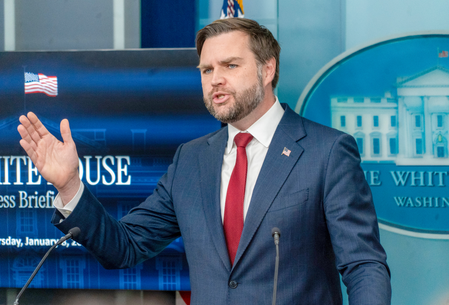
Vice President J.D. Vance, who is leading the US delegation, sought to lower tensions. “I think it’s going to be positive,” he told reporters, adding that if Iran negotiates “in good faith, we’re certainly willing to extend an open hand,” according to The Washington Post.
Pakistan is hosting the talks and has positioned itself as a key intermediary. Prime Minister Shehbaz Sharif described the negotiations as a “make or break” moment, The Wall Street Journal reported.
The talks come as the broader regional situation remains volatile. While a ceasefire is technically in place, Israeli operations in Lebanon continue, complicating diplomatic efforts, according to The Washington Post and The New York Times.
A major sticking point is the Strait of Hormuz, a critical global energy route. Iran has introduced controls requiring tankers to seek permission and has begun collecting tolls — a move US officials have called “illegal” and “unacceptable,” The Washington Post reported.
The disruption has rattled global markets and pushed oil prices higher. Washington wants the strait fully reopened, while Tehran appears intent on retaining leverage over the waterway.
Negotiating positions remain far apart. Iran has rejected US demands to halt uranium enrichment and curb its missile programme, while the US has indicated sanctions relief would come only after a deal, according to The Washington Post.
It remains unclear whether the talks will be direct or mediated. As The Washington Post noted, the sides may sit separately while Pakistan carries messages between them.
For Vance, the stakes are particularly high. The Wall Street Journal reported that Trump deputised him to lead the negotiations, making the outcome closely tied to the Vice President’s political standing.
Pakistan’s role reflects its renewed diplomatic relevance. As The New York Times reported, Islamabad helped broker the initial ceasefire and is leveraging ties with both Washington and Tehran despite internal economic and security challenges.
The current conflict escalated earlier this year, threatening global energy supplies and drawing in regional actors. A temporary ceasefire was reached this week, but its durability remains uncertain as both sides test each other’s intent.