Odisha News, Odisha Latest news, Odisha Daily - OrissaPOST
  • Home
  • Trending
  • State
  • Metro
  • National
  • International
  • Business
  • Feature
  • Entertainment
  • Sports
  • More..
    • Odisha Special
    • Editorial
    • Opinion
    • Careers
    • Sci-Tech
    • Timeout
    • Horoscope
    • Today’s Pic
  • Video
  • Epaper
  • News in Odia
  • Home
  • Trending
  • State
  • Metro
  • National
  • International
  • Business
  • Feature
  • Entertainment
  • Sports
  • More..
    • Odisha Special
    • Editorial
    • Opinion
    • Careers
    • Sci-Tech
    • Timeout
    • Horoscope
    • Today’s Pic
  • Video
  • Epaper
  • News in Odia
No Result
View All Result
OrissaPOST - Odisha Latest news, English Daily -
No Result
View All Result
EVOS

Where you live affects your dementia risk, shows new study

PTI
Updated: April 3rd, 2022, 08:40 IST
in Feature
0
Share on FacebookShare on TwitterShare on WhatsAppShare on Linkedin

Socioeconomic status is a key indicator of health outcomes, including access to, and quality of health care.

In 4,656 adults across metro, regional and rural Australia, new research from the Healthy Brain Project showed those living in more disadvantaged areas have poorer memory and a greater risk of developing dementia.


Also Read

Dandakrama Parayanam

19-year-old Mahesh achieves rare Vedic milestone after 200 years, stuns PM

2 days ago
Viral video

‘Hindustan is very good’: Afghan locals’ kindness toward Indian traveller captured in viral video

3 days ago

Health inequalities in dementia risk 

Dementia is the second leading cause of death in Australia. Our rapidly ageing population means without a substantial medical breakthrough, the number of people living with dementia in Australia is expected to double from 487,600 in 2022 to 1.1 million by 2058.

There has been a concerted effort to understand and identify risk factors for dementia. These include risk factors we can’t change (such as age or genetics), and others that are more modifiable (such as diet or physical activity).

However, dementia and its risk factors don’t affect all communities equally. Educational, racial/ethnic, and geographical disparities can influence who develops dementia, including within Australia and the United States.

Our study assessed geographic inequality at a neighbourhood level. We measured neighbourhood-level socioeconomic status by matching participants’ postcodes with the Australian Bureau of Statistics’ Index of Relative Socio-economic Advantage and Disadvantage.

This index integrates information related to multiple factors, such as average household income, education, unemployment rates, occupational skills, disability, vehicle ownership, internet connection, family structures, and housing arrangements. Lower scores suggest greater socioeconomic disadvantage.

What did we find?

We found lower neighbourhood-level socioeconomic status was associated with worse memory performance and higher dementia risk.

This was especially the case for older adults (55 years old and above). Older adults living in neighbourhoods with low socioeconomic status had poorer memory and higher dementia risk.

This is in line with a US-based study that found adults living in the lowest 20% of disadvantaged neighbourhoods had smaller brains.

What do these findings mean?

The first thing to note is this was an observational study, which involves following a group of people, and investigating how potential risk factors are associated with dementia risk. The results do not mean living in a more disadvantaged area causes memory loss or dementia.

The results only indicate there is a relationship or association between neighbourhood disadvantage and dementia risk. Second, neighbourhood-level socioeconomic status measures many complexities and nuances of where people live.

This captures a range of information likely to influence health outcomes and disease risk. Some of these factors include the prevalence of crime and safety, local resources including access to health care and education, opportunity and space for physical activity and leisure, social disorder, access to greenery, as well as air and noise pollution.

These economic, psychosocial, and environmental factors can not only influence health outcomes, but also influence the way we behave. For example, the lack of green space or community sporting facilities may discourage physical activity, which is a known risk factor for both poor heart and brain health.

Similarly, libraries and leisure centres provide important avenues for social engagement and mental development, the lack of which are also risk factors for dementia.

Additionally, due to affordability, people from lower socioeconomic backgrounds may also live in areas with fewer services that enable a healthy lifestyle. They are also more likely to experience poorer health outcomes as a result of entrenched disadvantage and lower health literacy.

This cyclical nature of inequality may also explain why we observed higher dementia risk in individuals from low socioeconomic neighbourhoods.

It will be critical for future work to understand whether neighbourhood socioeconomic status influences memory decline over time, and actual dementia diagnosis.

What should be done?

Targeting neighbourhood socioeconomic status will take enormous investment and collective effort at a local, state, and national level. As a starting point, increasing the availability and accessibility of green spaces and community facilities, such as leisure and sporting clubs, in every postcode will enable greater opportunity for healthy, active lifestyles into older age.

On an individual level, positive health behaviours have been identified that can help to prevent or delay memory loss and dementia risk. These include eating a balanced diet, learning new skills or languages, regular physical activity, staying socially connected, and getting a good night’s sleep.

By Yen Ying Lim, Associate Professor, Monash University and Emily Rosenich, Postdoctoral Research Fellow (Neuropsychology), Monash University

The Conversation 

Tags: Dementia
ShareTweetSendShare
Suggest A Correction

Enter your email to get our daily news in your inbox.


OrissaPOST epaper Sunday POST OrissaPOST epaper

Click Here: Plastic Free Odisha

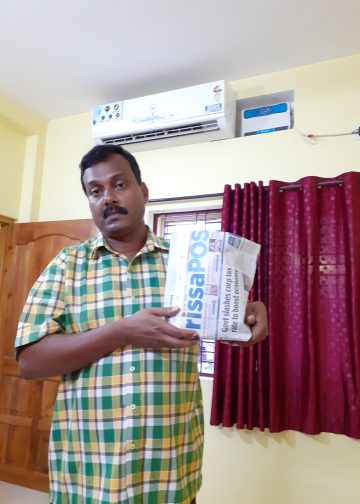
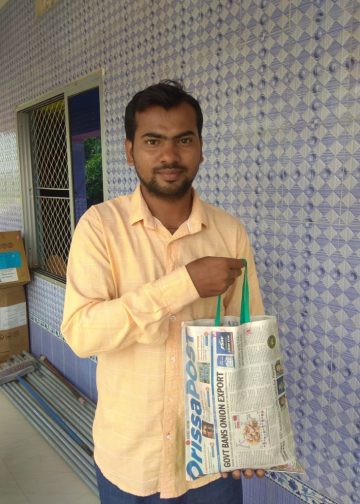
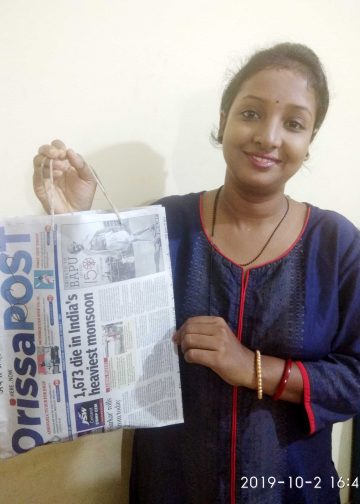
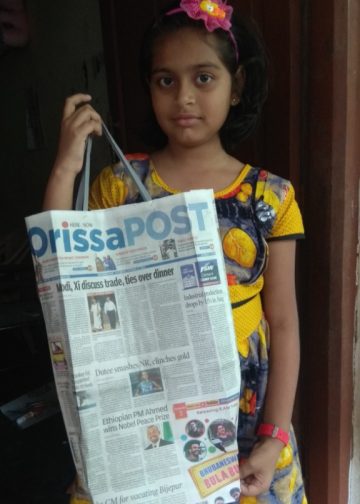
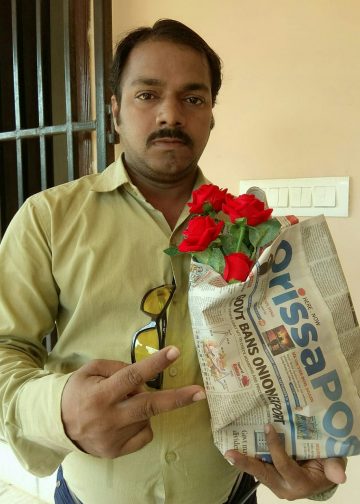
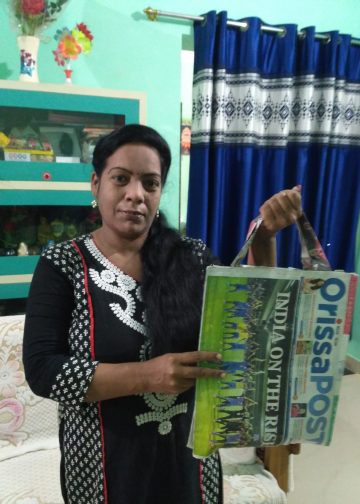
#MyPaperBagChallenge

Aman Kumar Barisal

December 12, 2019
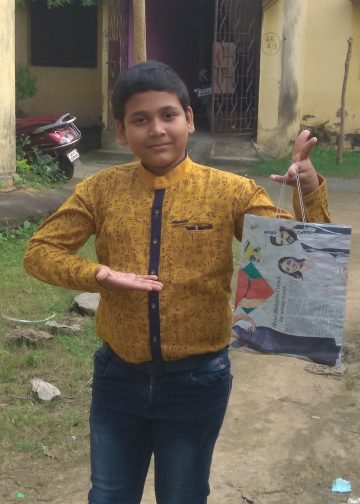
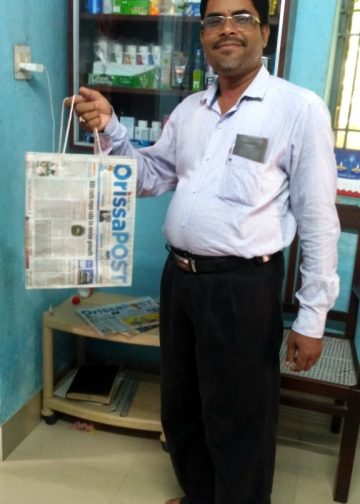
#MyPaperBagChallenge

Bijswajit Pradhan

December 12, 2019
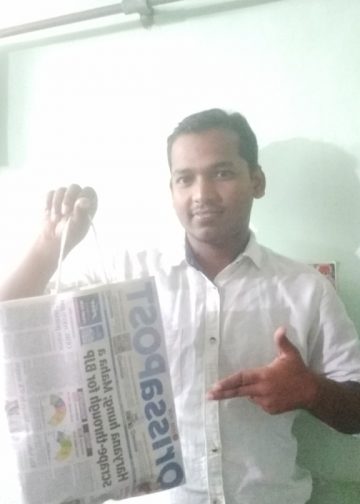
#MyPaperBagChallenge

Surya Sidhant Rath

December 12, 2019
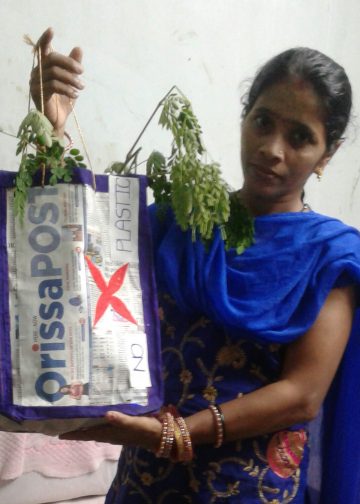
#MyPaperBagChallenge

Sipra Mishra

December 12, 2019
#MyPaperBagChallenge

Subhajyoti Mohanty

December 12, 2019
#MyPaperBagChallenge

Amritansh Mishra

December 12, 2019
#MyPaperBagChallenge

Aishwarya Ranjan Mohanty

December 12, 2019
#MyPaperBagChallenge

Akshaya Kumar Dash

December 12, 2019
#MyPaperBagChallenge

Priyasha Pradhan

December 12, 2019
#MyPaperBagChallenge

Tapaswini Mallick

December 12, 2019
#MyPaperBagChallenge

Debasis Mohanty

December 12, 2019
#MyPaperBagChallenge

D Rama Rao

December 12, 2019
#MyPaperBagChallenge

Matrumangal Jena

December 12, 2019
#MyPaperBagChallenge

Praptimayee Biswal

December 12, 2019
#MyPaperBagChallenge

Archana Parida

December 12, 2019
#MyPaperBagChallenge

Sisirkumar Maharana

December 12, 2019
#MyPaperBagChallenge

Diptiranjan Biswal

December 12, 2019
#MyPaperBagChallenge

Narendra Kumar

December 12, 2019
#MyPaperBagChallenge

Mrutyunjaya Behera

December 12, 2019
#MyPaperBagChallenge

Saishree Satyarupa

December 12, 2019
#MyPaperBagChallenge

Pratik Kumar Ghibela

December 12, 2019
#MyPaperBagChallenge

Jhili Jena

December 12, 2019
#MyPaperBagChallenge

Geetanjali Patro

December 12, 2019
#MyPaperBagChallenge

Ankita Balabantray

December 12, 2019
#MyPaperBagChallenge

Anasuya Sahoo

December 12, 2019
#MyPaperBagChallenge

Pratyasharani Ghibela

December 12, 2019
#MyPaperBagChallenge

Keshab Chandra Rout

December 12, 2019
#MyPaperBagChallenge

Adrita Bhattacharya

December 12, 2019
#MyPaperBagChallenge

Shreyanshu Bal

December 12, 2019
#MyPaperBagChallenge

Mandakini Dakua

December 12, 2019

Archives

Editorial

A Just Transition

Andrea Meza Murillo & Bradley Hiller
December 5, 2025

With the United Nations Climate Change Conference (COP30) and the G20 Leaders' Summit now concluded, attention turns to this week's...

Read moreDetails

Trump-Maduro Tensions

December 3, 2025

Tensions between the US and Venezuela have reached a seemingly critical level over what the US administration ostensibly calls its...
Read moreDetails

Indo-China Hiccups

India, China
December 2, 2025

Despite the newfound bonhomie between China and India in the wake of US President Donald Trump’s tariff war, China is...

Read moreDetails

Credibility Loss

Sri Lanka's IMF bailout to wait until the New Year: FM Semasinghe
December 1, 2025

In its latest annual review, the International Monetary Fund (IMF) has assigned a ‘C’ grade to India’s national accounts statistics...

Read moreDetails
  • Home
  • State
  • Metro
  • National
  • International
  • Business
  • Editorial
  • Opinion
  • Sports
  • About Us
  • Advertise
  • Contact Us
  • Jobs
Developed By Ratna Technology

© 2025 All rights Reserved by OrissaPOST

  • News in Odia
  • Orissa POST Epaper
  • Video
  • Home
  • Trending
  • Metro
  • State
  • Odisha Special
  • National
  • International
  • Sports
  • Business
  • Editorial
  • Entertainment
  • Horoscope
  • Careers
  • Feature
  • Today’s Pic
  • Opinion
  • Sci-Tech
  • About Us
  • Contact Us
  • Jobs

© 2025 All rights Reserved by OrissaPOST

    • News in Odia
    • Orissa POST Epaper
    • Video
    • Home
    • Trending
    • Metro
    • State
    • Odisha Special
    • National
    • International
    • Sports
    • Business
    • Editorial
    • Entertainment
    • Horoscope
    • Careers
    • Feature
    • Today’s Pic
    • Opinion
    • Sci-Tech
    • About Us
    • Contact Us
    • Jobs

    © 2025 All rights Reserved by OrissaPOST