Odisha, a state in eastern India include a diverse array of traditional sweets. The state has also embraced sweets from other regions of India also, adding its local twist and making them popular among locals and visitors alike.
- Amruti
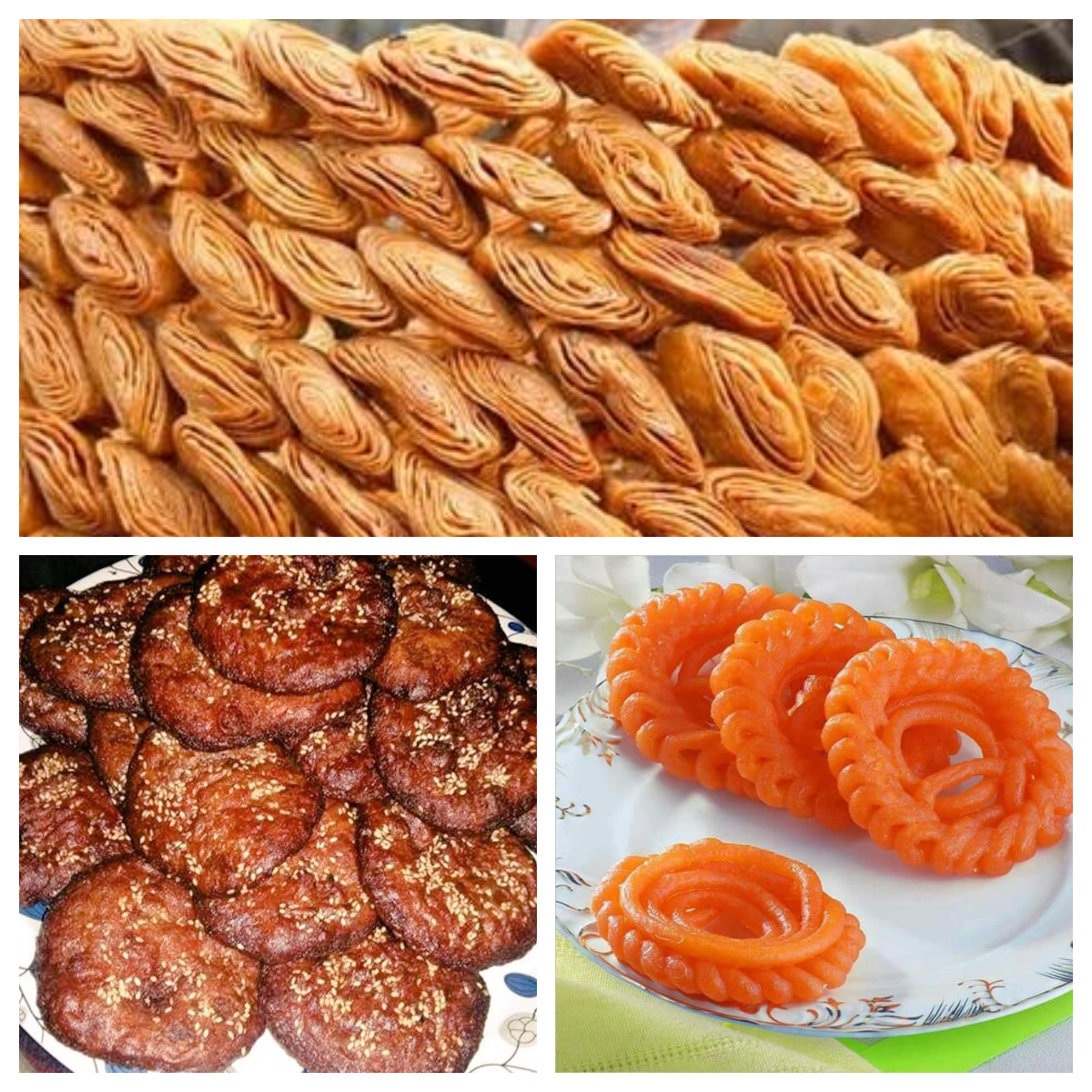
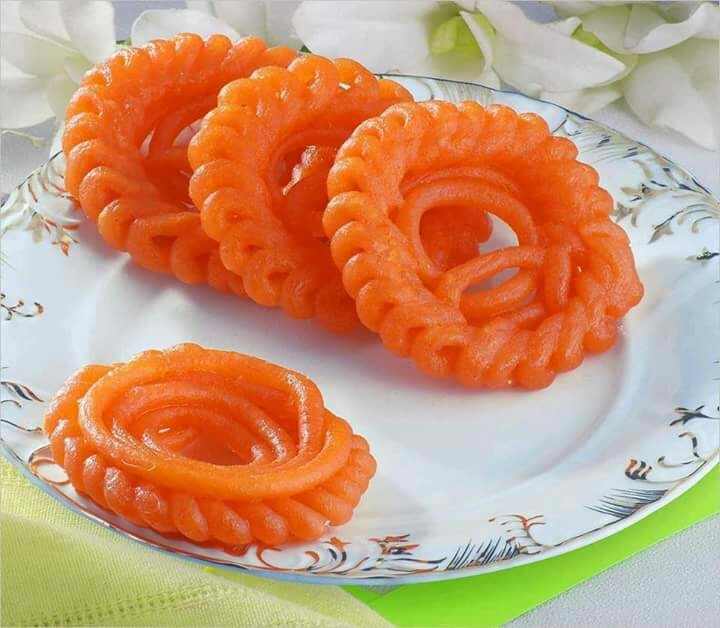
Generally, sweets are made of ingredients like semolina, flour, and cheese, while Imarti, or Amriti, is prepared from urad dal. The urad dal is soaked, ground, and then mixed with ghee. The batter is piped into circular shapes and fried until golden. After frying, it is soaked in sugar syrup to add sweetness. It resembles Jalebi but has a completely different taste. According to a story, this sweet originated in the royal kitchen of Fatehpur Sikri in Uttar Pradesh. Prince Salim, also known as Jahangir, loved eating sweets. However, he grew tired of eating laddus every day, so to please him, a Mughal chef created this new sweet.


- Rasamalai
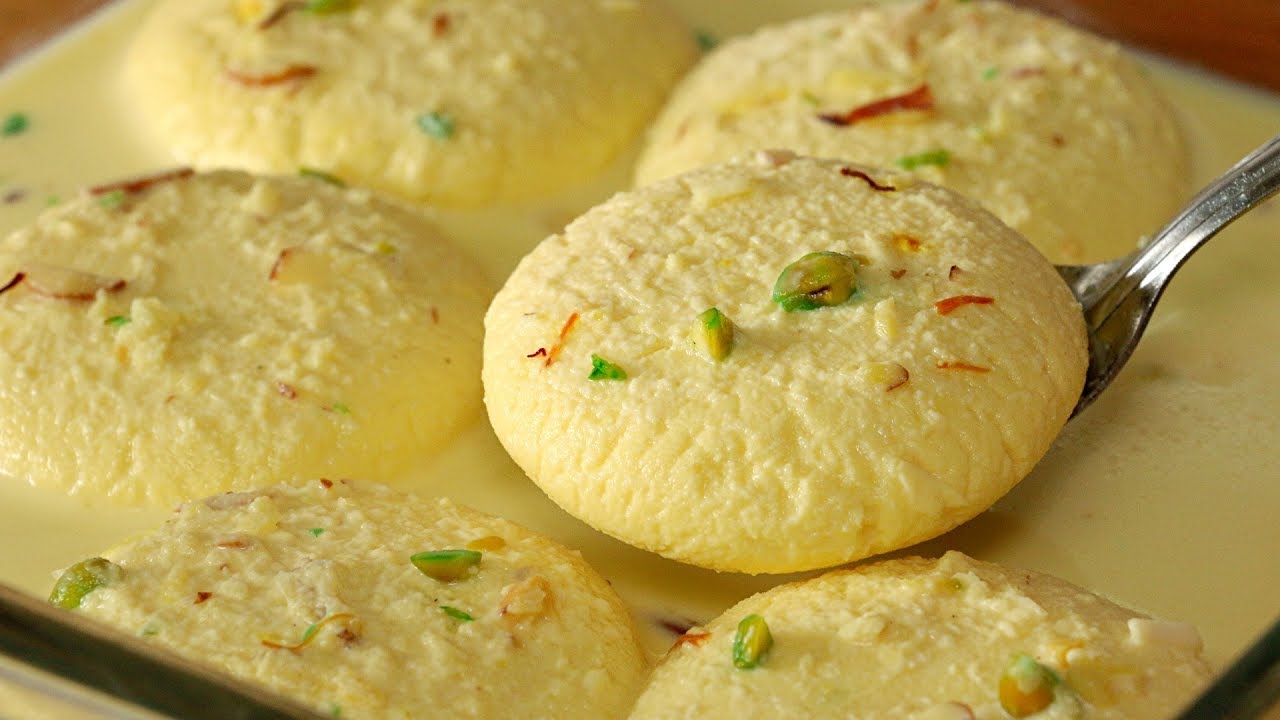
Rasamalai is a popular Indian dessert. It is a delightful sweet made from soft and spongy cottage cheese dumplings, known as ‘rasgullas,’ which are soaked in a luscious, creamy, and aromatic milk syrup flavoured with cardamom and saffron. Rasamalai is believed to have originated in the city of Comilla, Bangladesh. Krishna Chandra Das, a confectioner in Kolkata, is widely credited with inventing rasamalai in the early 20th century. The name comes from the Bengali words “rosh” (juice) and “malai” (cream).
- Pheni
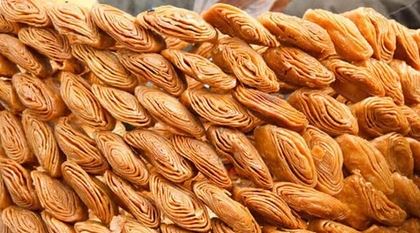
Pheni is a traditional sweet offered to Lord Jagannath in Puri. It is the second most popular item in the beach city. Historically, Pheni, also known as Khaja, is believed to have originated in a small village called Silao during the Maurya Empire. Pheni is made from flour, ghee, cardamom, cloves, nutmeg, sugar, and oil. According to a famous folk tale, Lord Buddha was offered Silao Khaja as he travelled through Silao on his way from Rajgir to Nalanda.
- Mysore Pak
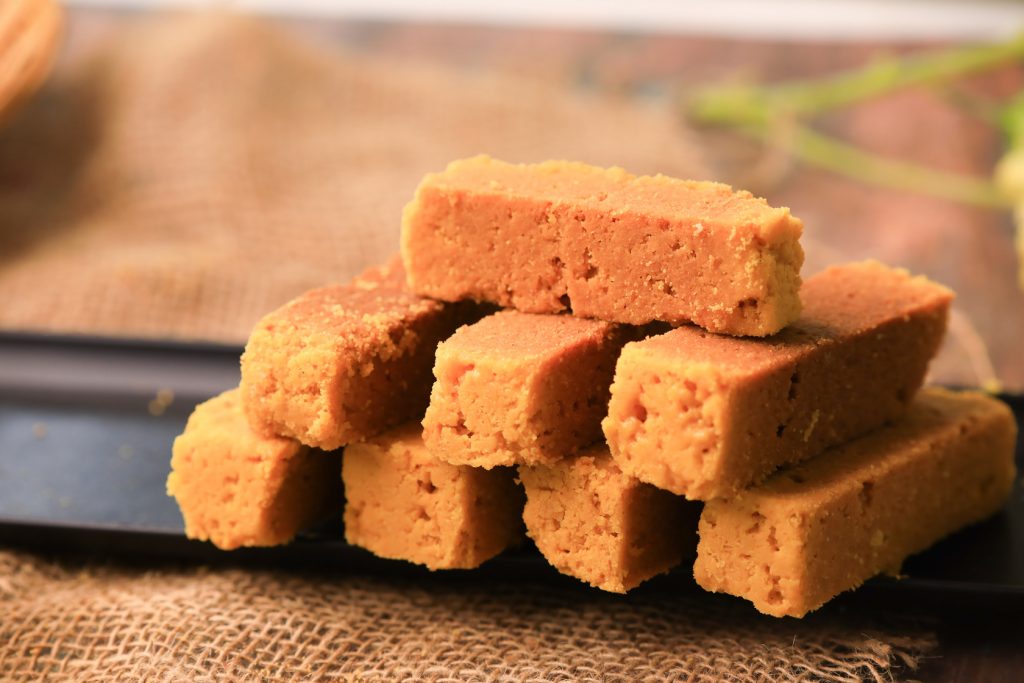
In Berhampur, seasonal sweets are crafted according to the time of year, but Mysore Pak is available year-round. This sweet treat is a staple at various feasts, festivals, and temples. The Mysore Pak from Berhampur has a distinctive taste that sets it apart, making it a popular choice in nearly every sweet shop. The preparation of Mysore Pak follows a special method, using ingredients like gram flour (besan), sugar, ghee, and cashews. This classic sweet holds immense popularity in the South Indian states of Karnataka and Tamil Nadu. It is believed to have originated in the royal kitchen of the Mysore Maharaja’s palace.
- Khira sagara
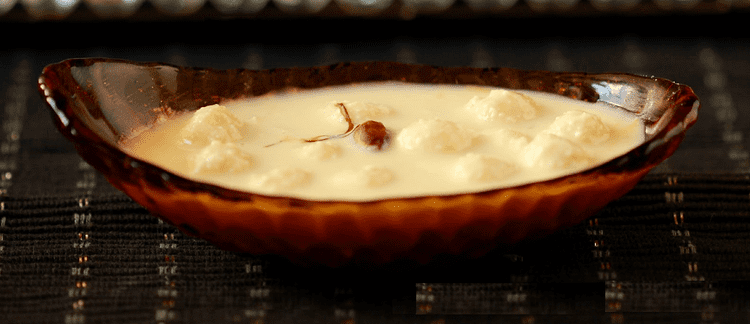
Khira sagara is a cherished sweet delicacy prepared by the Odias, with a name that translates to “Ocean of Milk.” This dessert features marble-sized cheese balls soaked in sweetened, condensed milk. Saffron and cardamom are the traditional seasonings that enhance its flavour. Khira sagara is typically served at room temperature or slightly chilled. However, unlike other milk-based sweets, the milk in khira sagara is thicker, giving it a consistency similar to rabidi.
- Laddu
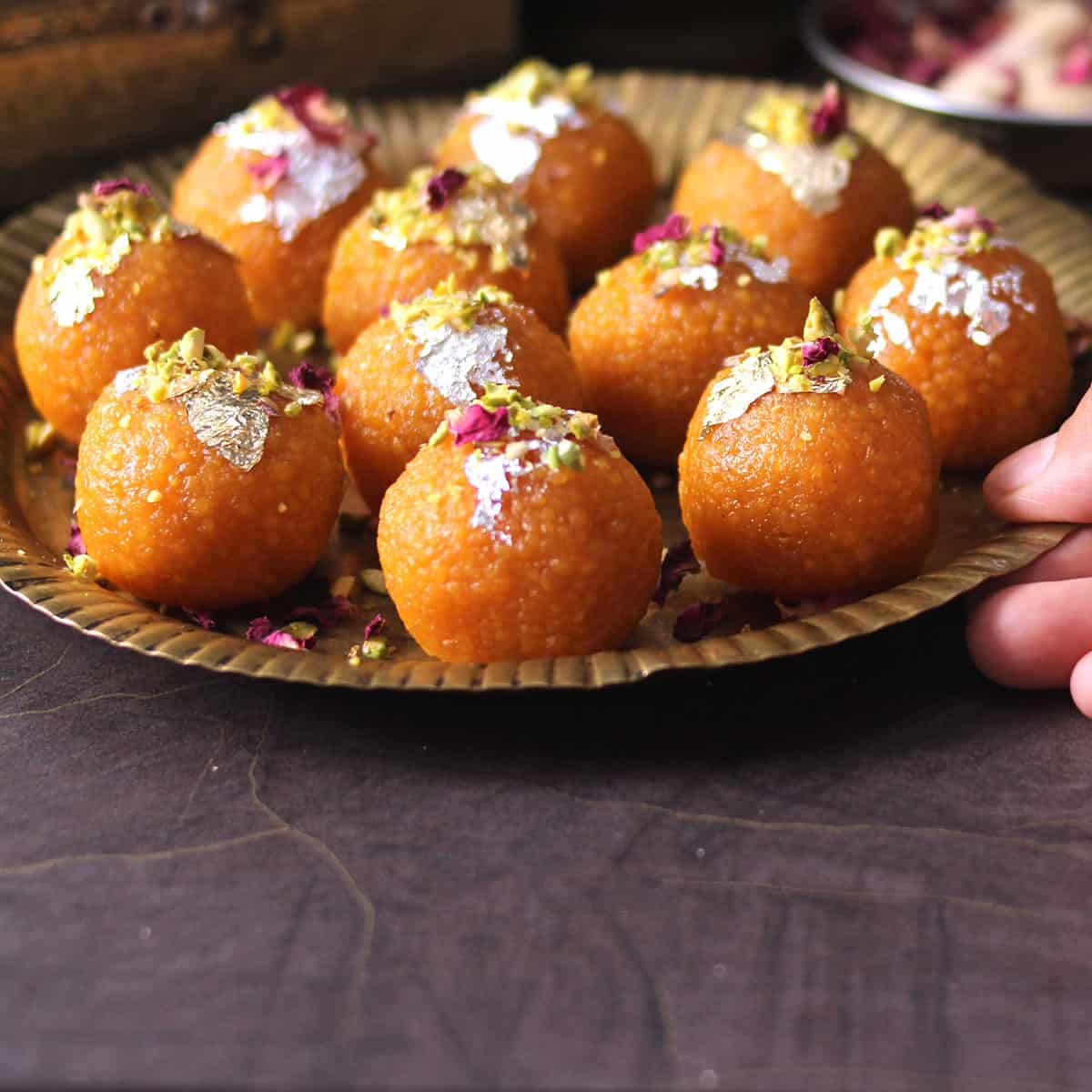
Ladoo holds a special place in the history of Indian sweets, often featured in various festivals and religious rituals. Even Lord Ganesha, the first deity in Hindu tradition, is known to be fond of laddus. There are many varieties, including boondi laddu, motichoor laddu, rava laddu, nadia laddu, besan laddu, and more. Interestingly, some historians suggest that laddu was initially used as a form of medicine. It is believed that the ancient Indian physician Sushruta used laddus as an antiseptic to treat his surgical patients. Originally, laddus were made by mixing mustard seeds, jaggery, and almonds. Rava laddu, in particular, is mentioned in Ayurvedic texts for its medicinal properties. Over time, this medicinal treat evolved into the beloved sweet we enjoy today.
- Golapjamu
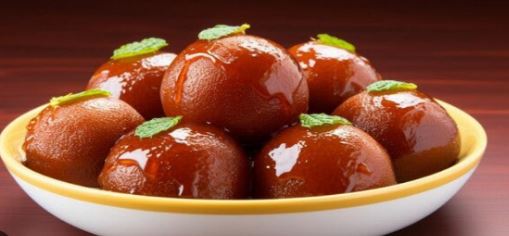
Golapjamu is one of the most beloved sweets, known for its rich taste and appealing appearance. Made from flour, cheese, and khoya, this dessert is a true delight. To prepare this, milk is heated over a low flame until the water evaporates, leaving behind the milk solids, known as khoya. These solids are then kneaded with flour (maida) to form a dough, which is shaped into small balls and deep-fried in oil or ghee (clarified butter) at a low temperature. The fried balls are then soaked in a light sugar syrup flavoured with green cardamom, rose water, kewra, or saffron. Hot golapjamu is often enjoyed with vanilla ice cream or kulfi.
- Rabidi
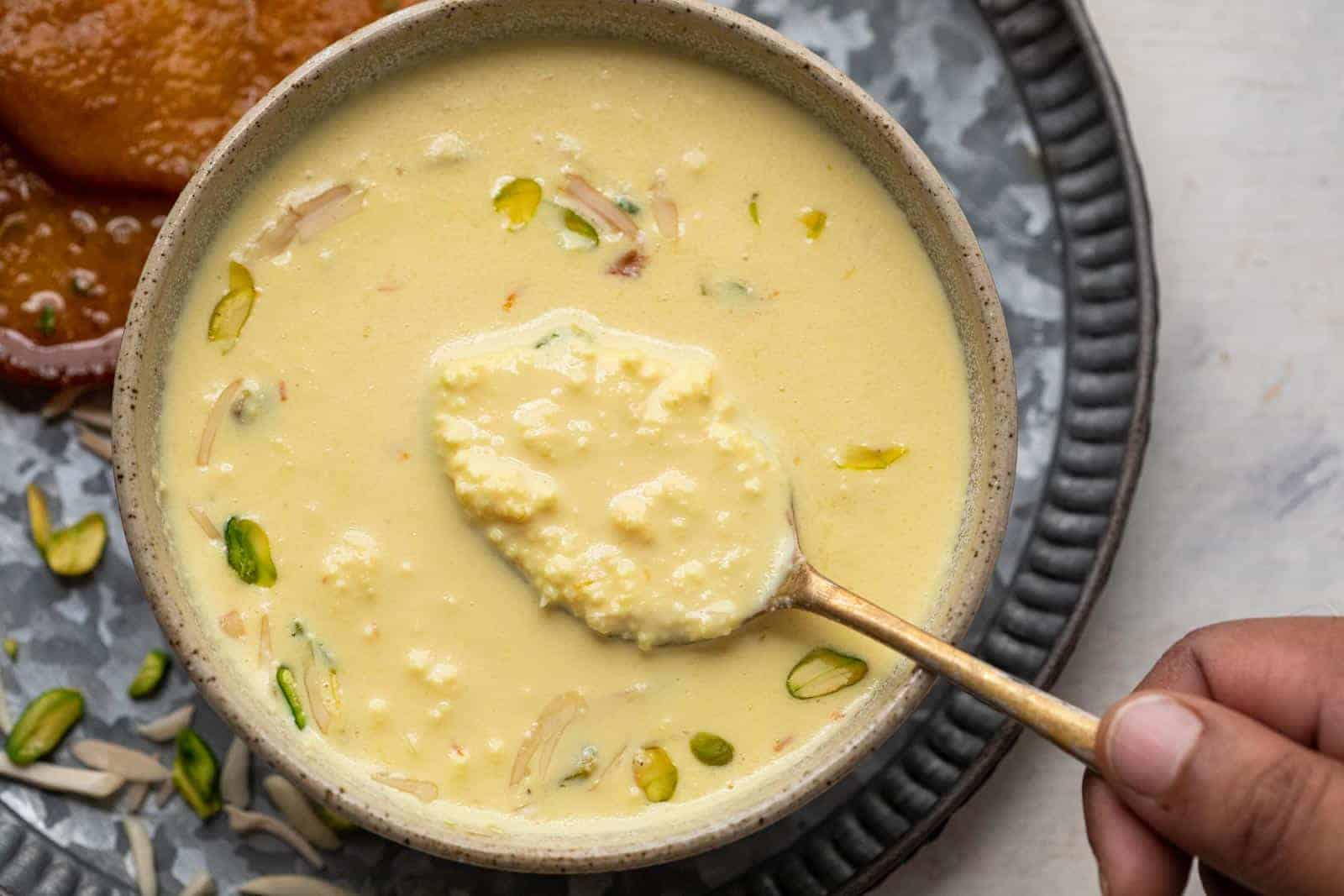
Rabidi is a popular sweet often served as an offering in temples. Its flavour is further enhanced when enjoyed in clay pots. The preparation of rabidi is simple, with the main ingredients being milk, sugar, and cardamom. The process begins by boiling the milk and then simmering it until it thickens. Once it reaches the desired consistency, sugar and cardamom are added and cooked further. After cooling, rabidi is ready to be enjoyed. It is commonly served as a dessert on its own or paired with malpua, golapjamu, jhilapi or poori.
- Malpua
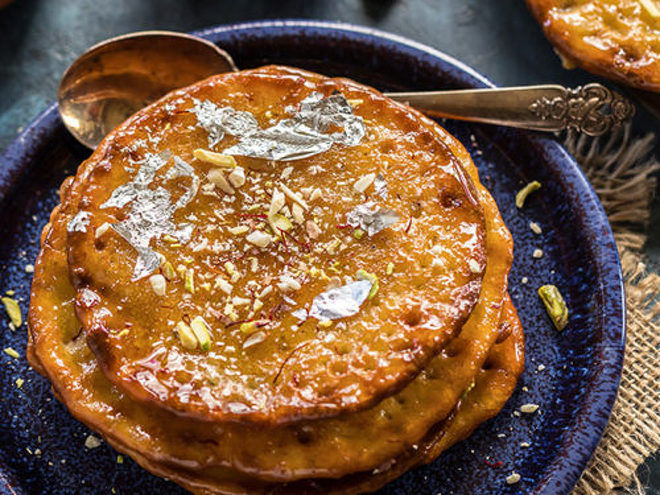
Malpua is an ancient Indian sweet with roots in the Vedic era, where it is mentioned in the Rig Veda as “Apupa.” Originally, it was made from flour, with the mixture being filtered, thickened, and then cooked. Over time, both the recipe and the name of this sweet have evolved. Today, malpua is typically made with ingredients like flour or maida, milk, sugar, and cardamom.
Also Read:
Exploring Odisha’s rich sweet heritage: From Chhena Poda to Poda Pitha
Malpua is beloved not only in Odisha but also in regions like West Bengal, Bangladesh, Bihar, Uttar Pradesh, Maharashtra, and Nepal. It holds a special place in the offerings at the Jagannath Temple, where it is daily offered as prasad. In some places, variations of malpua are made by adding ingredients like bananas, coconut, and black sesame to enhance its flavour.
- Arisa pitha
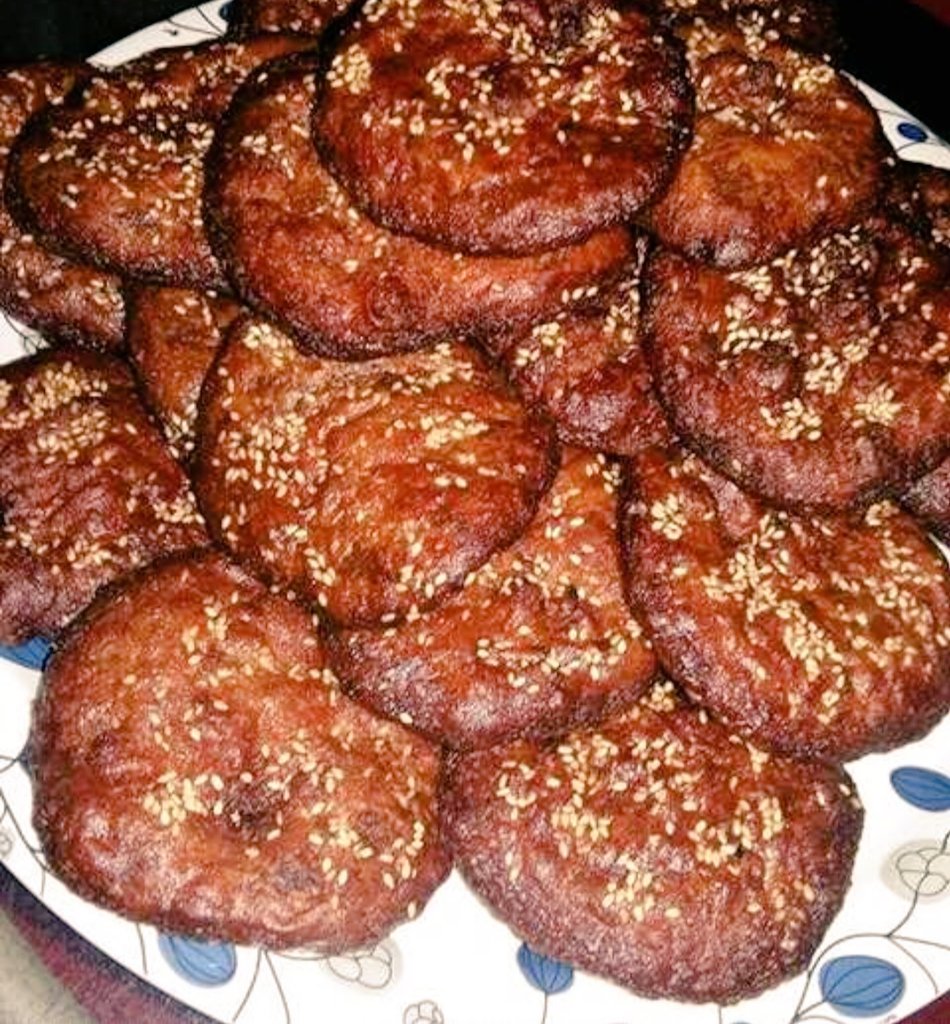
Arisa pitha is a traditional sweet pancake popular in Odisha which is known for its crispy outer layer and soft, tender inside. In Coastal Andhra Pradesh, it is known as ‘ariselu’ where many suggest it originated.
in Odisha, this sweet is commonly prepared during Lakshmi Puja and is now also available commercially, with arisa pitha from Angul being particularly popular and preferred over other varieties. The preparation of arisa pitha is quite straightforward. It involves mixing rice flour with jaggery, cardamom, and sesame seeds, shaping the mixture into discs, and deep-frying them in oil. After frying, the arisa pitha is allowed to cool slightly before serving.