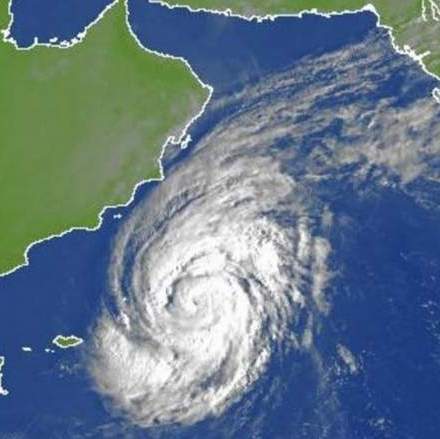
New Delhi: Severe cyclonic storm Titli — meaning butterfly which forced the evacuation of three lakh people in the Odisha coastline- is an astonishingly delicate name.
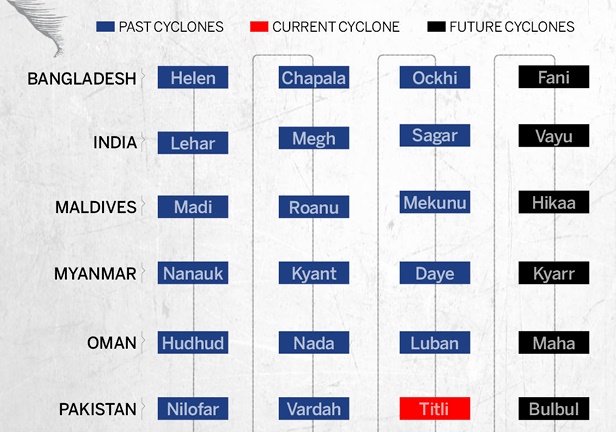
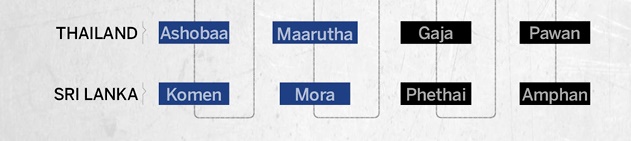
Interestingly, in South East Asia, tropical cyclones are named by different countries in the region. Titli was named by Pakistan and as per the format, the next cyclone will be named Gaja which is coined by Thailand.

Cyclones were usually not named. The tradition started with hurricanes in the Atlantic Ocean, where tropical storms that reach sustained wind speeds of 39 miles per hour were given names. (Incidentally, hurricanes, typhoons, cyclones are all the same, just different names for tropical storms in different parts of the world; Hurricane in the Atlantic, Typhoon in the Pacific and Cyclone in the Indian Ocean). If the storm’s wind speed reaches or crosses 74 mph, it is then classified into a hurricane/cyclone/typhoon. Tropical storms are given names and they retain the name if they develop into a cyclone/hurricane/typhoon.
Names have been given to Atlantic storms for the past few hundreds of years.
The naming of tropical cyclones is a recent phenomenon. The process of naming cyclones involves several countries in the region and is done under the aegis of the World Meteorological Organization.
For the Indian Ocean region, deliberations for naming cyclones began in 2000 and a formula was agreed upon in 2004. Eight countries in the region – Bangladesh, India, Maldives, Myanmar, Oman, Pakistan, Sri Lanka and Thailand – all contributed a set of names which are assigned sequentially whenever a cyclonic storm develops.
Here’s a look at the names of some recent cyclones, the countries that named them and names of future cyclones as well.
Agencies