
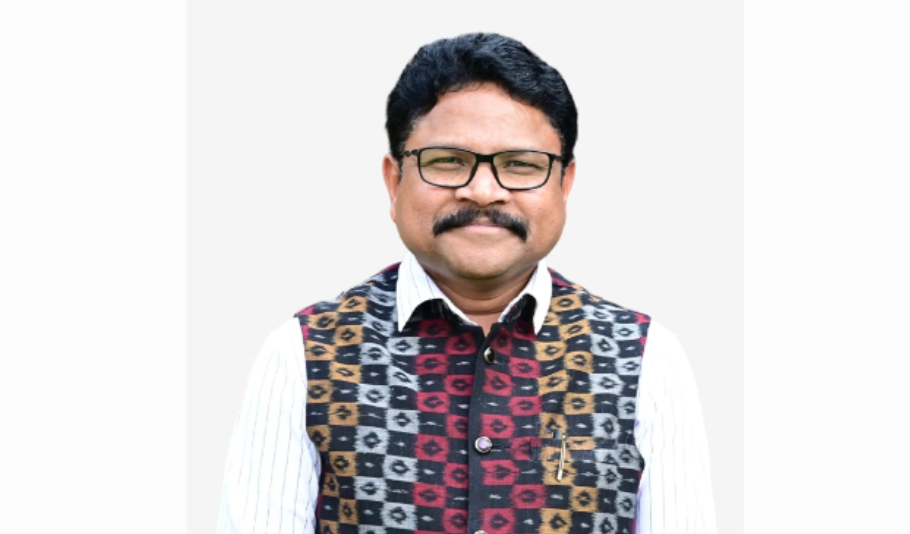
Bhubaneswar: Government doctors in Odisha Saturday suspended their cease-work agitation after a meeting with Health Minister Mukesh Mahaling, who assured them that their demands would be examined by a high-powered committee.
The decision was announced by Odisha Medical Services Association (OMSA) president Kishore Chandra Mishra after a nearly four-hour meeting with the minister and senior officials at Lok Seva Bhavan.
“The discussion with the government was highly fruitful, and we have decided to put the agitation on hold for now. The government has agreed to constitute a high-powered committee to consider the genuine demands of doctors,” Mishra told reporters.
He said doctors across the state would resume duty immediately and provide services as usual.
“We are hopeful that all the problems of doctors will be resolved within two months,” he said.
Notably, a high-level meeting between representatives of OMSA and Health and Family Welfare Department officials, including Mahaling, was held Saturday as the government sought to end the deadlock.
Mahaling said the talks with the OMSA were successful and the association had agreed to suspend its four-day-long cease-work agitation.
He said a high-powered committee, comprising the secretaries of the health, general administration, law and finance departments, would examine the association’s 10-point charter of demands.
“The OMSA will make a presentation of its demands before the committee July 22,” the minister said.
The strike was launched by OMSA Wednesday, demanding cadre restructuring, implementation of the KBK (Kalahandi-Balangir-Koraput) exit policy, transparency in transfers, health insurance, special incentives and Dynamic Assured Career Progression (DACP) benefits on the lines of the Central Government Health Scheme (CGHS).
The association also sought place-based incentives, postmortem allowances, enhanced security measures and regularisation of ad hoc doctors.
Under the existing policy, doctors posted in the KBK region are required to serve for three years. However, the association alleged that many doctors continue to remain posted there even after completing the mandatory tenure.
The agitation disrupted healthcare services across the state, affecting outpatient departments (OPDs) and emergency services and routine medical care at Primary Health Centres, Community Health Centres, District Headquarters Hospitals and other government health facilities.