
ARINDAM GANGULY, OP
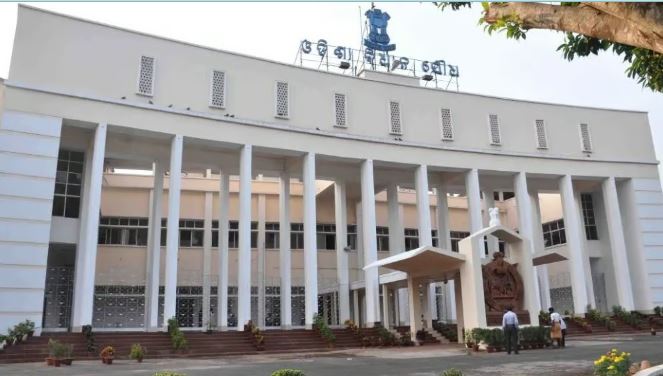
Bhubaneswar: The Winter Session of the Assembly was adjourned sine die Tuesday, 18 days ahead of its scheduled conclusion December 31. This early adjournment reflects a troubling trend in the functioning of the state legislature, with truncated sessions becoming increasingly common under both the current BJP and former BJD governments. While the reasons vary, such early closures often highlight the delicate political dynamics between the ruling party and the Opposition, as well as strategic decisions in managing legislative affairs. The practice of early adjournment has become a pattern in Odisha, with the mandated 60 sitting days per calendar year increasingly treated as an exception rather than the norm.
In 2025 alone, the Assembly witnessed two early adjournments under the BJP government, which took office in June 2024. The Monsoon Session, which began September 18, was adjourned sine die just a week later September 25, a day before its scheduled conclusion.
Similarly, the Winter Session was cut short after only 11 working days, far ahead of its planned end date of December 31. Under the previous BJD government, sessions were also frequently truncated, often for political reasons. In 2023, the Winter Session was adjourned just four days after it began, following disruptions over controversial Cabinet decisions related to the transfer and sale of tribal land to non-tribals. In 2022, the session ended 25 days early after the passage of the Appropriation Bill for the Supplementary Budget of 2022–23. Critics claimed that the session was shortened to focus on the Padampur bypoll, sidelining important legislative discussions.
Also Read: Salary of Odisha MLAs trebled to Rs 3.45 lakh a month
Over the last two decades, there have been only three years – 2006, 2010 and 2012 – in which the 60-day sitting mandate was fulfilled. The government justified the early adjournment by citing a lack of sufficient legislative business. Government Chief Whip Saroj Kumar Pradhan (BJP) defended the session’s early adjournment, stating that there was no significant business left for discussion. He pointed to the passage of key Bills, including the Odisha Appropriation Bill (No. 2), 2025, as evidence that the government had completed its essential legislative work.
However, the early closure sparked criticism from Opposition parties, particularly the BJD, which accused the government of avoiding uncomfortable debates on issues such as women safety, social welfare schemes, and project implementation. Congress MLA Ashok Kumar Das criticised the government for ‘failing’ to address key issues during the session. “People of the state, particularly those protesting at Lower PMG, had hoped the Assembly would discuss matters affecting their daily lives. Instead, the government focused on past incidents, avoiding contemporary concerns. A government’s role is not just to pass Bills but to engage with pressing issues,” Das said, condemning the early adjournment as a blow to democracy and an abandonment of the people’s needs. BJD MLA Aswini Kumar Patra expressed similar concerns, arguing that several critical issues were left unaddressed. Acknowledging that adjournments had also occurred under BJD, Patra said, “It is important to continue the session to discuss issues that directly affect people’s lives and safety.”
Senior BJD MLA Pratap Keshari Deb echoed these criticisms, saying, “The government adjourned the session sine die because it had no answers to pressing issues such as women safety, economic challenges, and the rising cost of living.” BJP MLA Babu Singh, however, defended the adjournment, emphasising the financial burden of keeping the Assembly in session when there was no substantive business left. “Running the Assembly incurs significant costs, and continuing without meaningful discussions would be illogical,” Singh said.
Also Read: Odisha Assembly adopts resolution on ‘Vande Mataram’, Opp stages walkout after 2 stanzas
Critics, however, argued that the early adjournment, which is legally within the government’s rights, is less about a lack of business and more a political strategy to limit the Opposition’s ability to scrutinise government actions. As political tensions between the ruling party and the Opposition continue to simmer, it remains to be seen whether early adjournments will continue to be a recurring feature of Odisha’s legislative landscape.