New Delhi, Jan 1: Delhi Friday witnessed introduction of the odd-even scheme, an unprecedented anti-pollution measure in India’s history, that led to a major cut in the volume of cars on the city’s streets with the AAP government claiming that the radical initiative has received widespread acceptance.
As the clock struck eight in the morning, the restriction on plying of private cars came into effect with thousands of traffic police personnel, government officials and volunteers fanning across the city to enforce the pilot plan which will stay in force till January 15.
“I am truly overwhelmed by the response. People have achieved the impossible. I am sure Delhi will show the way,” said Chief Minister Arvind Kejriwal, adding the initiative has turned “into a movement”.
In a tweet he also used legendary singer John Lennon’s words from his iconic song Imagine: “You may say I’m a dreamer But I’m not the only one. I hope some day you’ll join us.”
As many as 25 categories were given exemptions from the restrictions which included emergency service vehicles, taxis and cars being driven by women even with female co-passengers and children up to age of 12.
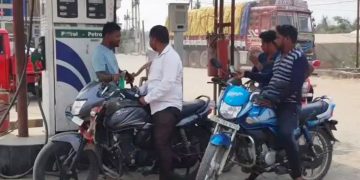
Two wheelers and CNG-run vehicles have also been exempted. Under the scheme, private cars having odd registration numbers are being allowed to ply on odd dates and those with even numbers on even dates. The restriction period is 8 am to 8 pm. Those caught violating the scheme have to pay a penalty of `2000.
As many as 200 teams of Traffic Police, 66 enforcement teams of transport department and 40 teams of sub-divisional magistrates were deployed across the city to ensure strict implementation of the scheme.
Pollutants dipped by around 10 per cent on average between 8 AM to 2 PM Friday compared to the last two days, “possibly” due to the odd-even restrictions, before rising sharply afterwards with a fall in day time temperature.
As per initial observations of System of Air Quality and Weather Forecasting and Research (SAFAR), the gains of less vehicular emissions could have been more, had there been less vehicular movement and no bursting of firecrackers on the night of January 31. PTI