Odisha News, Odisha Latest news, Odisha Daily - OrissaPOST
  • Home
  • Trending
  • State
  • Metro
  • National
  • International
  • Business
  • Feature
  • Entertainment
  • Sports
  • More..
    • Odisha Special
    • Editorial
    • Opinion
    • Careers
    • Sci-Tech
    • Timeout
    • Horoscope
    • Today’s Pic
  • Video
  • Epaper
  • News in Odia
  • Home
  • Trending
  • State
  • Metro
  • National
  • International
  • Business
  • Feature
  • Entertainment
  • Sports
  • More..
    • Odisha Special
    • Editorial
    • Opinion
    • Careers
    • Sci-Tech
    • Timeout
    • Horoscope
    • Today’s Pic
  • Video
  • Epaper
  • News in Odia
No Result
View All Result
OrissaPOST - Odisha Latest news, English Daily -
No Result
View All Result

Legal lacunae need exorcism

Updated: August 29th, 2019, 00:41 IST
in Opinion
0
Share on FacebookShare on TwitterShare on WhatsAppShare on Linkedin

Debendra Kumar Biswal


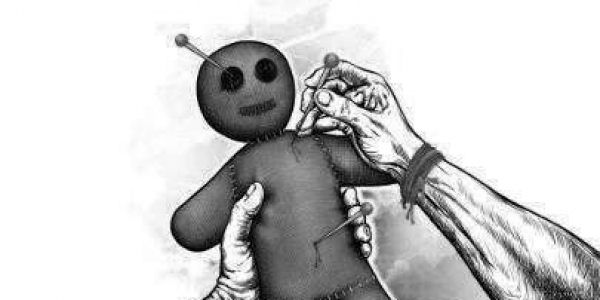
Chhattisgarh, Bihar, Jharkhand and Odisha have passed local Acts to deal with witchcraft. The specific Acts are: Chhattisgarh Witchcraft Atrocities Prevention Act, 2005; Bihar Prevention of Witch (Dain) Practices Act, 1999; Jharkhand Prevention of Witch Practices Act, 2001 and Odisha Prevention of Witch-hunting Bill, 2013.


Also Read

DK Giri

Impact of Middle East crisis on India

2 days ago
PAY REVISION REALITY

PAY REVISION REALITY

2 days ago

However, these seem to be ineffective, given that cases of witchcraft are rising, particularly in tribal areas of the states concerned.

These special laws aim to criminalise witchcraft and to prosecute the accused under criminal or civil legislation. But are these laws and Acts strong enough to curb witchcraft? Several legal and human rights issues in the categorisation and prosecution of the ‘witches’ arise in this context.

A United Nations Report stated that in India more than 50,000 witch killings were recorded over the past 20 years and that the number was rising each year. The killings are often brutal and women suspected of witchcraft are often beaten, raped, tortured, maimed, forced to swallow human excreta, traumatised for life, imprisoned, or driven from their village and their property confiscated.

The special laws and Acts are toothless for three reasons: the definition of “witchcraft” is narrow; penalties and punishment are weak and modern law does not accommodate categories of harms from witchcraft.

A strong or common definition of witchcraft is absent from legal doctrines. For instance, Odisha Prevention of Witch-hunting Bill, 2013, defines a “witch” as a woman identified by any person or persons believing her to be in possession of, or having evil power that causes harm to persons or property. Women can be identified as witches by anybody based merely on his/her belief.

In the absence of a broad definition, some problems arise: First, the application of the law may be arbitrary and belief of the individual judge or enforcement officer would prevail; second, it may target a particular section of the society, such as women or practitioners of traditional medicine.

Also, the special Acts promulgated by states prescribe for lenient punishment for offences under them compared with the IPC, which creates conflict between the two. The laws also place the burden of proof on the victim. The special laws have only 4-5 provisions that criminalise acts of ‘identifying’ (Bihar and Jharkhand state laws) and ‘exhibiting’ (Chhattisgarh state law) any person as a witch, along with the mental and physical torture accompanying such identification. These carry small sentences although the offences are non-bailable.

In the absence of strong deterrent in any special legislation, the only alternative available for the victim to seek justice is the IPC. Such cases draw action under sections 302 (murder), 307 (attempt to murder), 323 (hurt), 376 (rape) and 354 (outraging a woman’s modesty), among others. However, invoking these provisions have the following lacunae: First, the victims in such cases have little or no access to the law or the police, mainly because of their social, geographical and educational background; second, since this crime is socially manifested, out of either fear or acceptance of the practice, people prefer to remain silent, which makes investigation difficult; finally, the punishment granted mostly is for hurt, which merely extends up to 1 year with a fine of Rs 1,000.

Contemporary studies in the tribal areas of India have found several ill-effects of witchcraft. Women are tarnished as witches for several reasons; often women are accused of causing illness or death, or a bad harvest as she may have refused sexual advances or challenged the authority of community elders. Mostly widows are targeted as witchcraft offers an easy excuse for violence to dispossess them of property.

Legislation that criminalises witchcraft must define “witch”, “witchcraft” and “Witch-hunting” in a concrete way in consultation with the anthropologists and religionists. Otherwise the law and Acts may be potentially harmful to those accused of witchcraft and may violate human rights. Strong ‘harmonisation’ of the formal court system and the use of traditional fora such as traditional or customary courts with their own processes and evidence requirements should be encouraged to deal with witchcraft in tribal society.

The writer is an assistant professor, Department of Contemporary and Tribal Customary Law, Central University of Jharkhand.

Tags: Contemporary studiesDebendra Kumar BiswalExorcismIPCWitch-hunting BillWitchcraft
ShareTweetSendShare
Suggest A Correction

Enter your email to get our daily news in your inbox.


OrissaPOST epaper Sunday POST OrissaPOST epaper

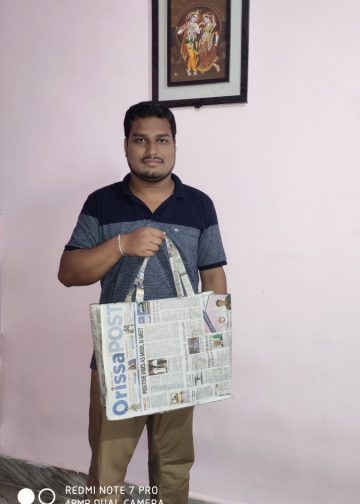
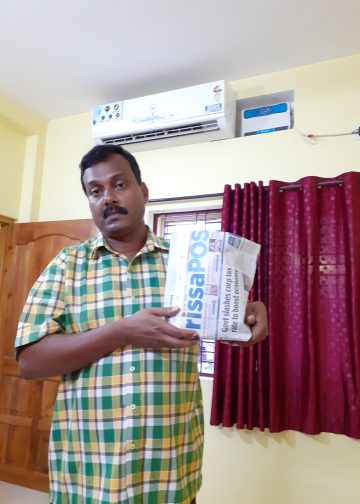
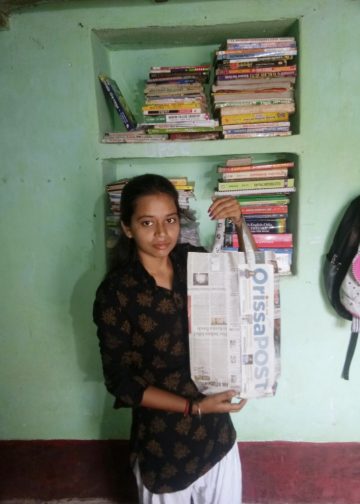
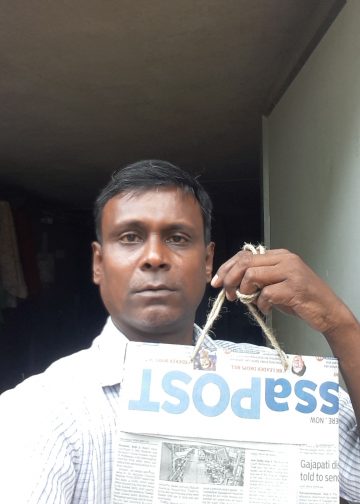
Click Here: Plastic Free Odisha

#MyPaperBagChallenge

Anasuya Sahoo

December 12, 2019
#MyPaperBagChallenge

Archana Parida

December 12, 2019
#MyPaperBagChallenge

Swarit Praharaj

December 12, 2019
#MyPaperBagChallenge

Rajashree Pravati Mohanty

December 12, 2019
#MyPaperBagChallenge

Spinoj Pattnaik

December 12, 2019
#MyPaperBagChallenge

Adyasha Priyadarsani Sendha

December 12, 2019
#MyPaperBagChallenge

Surya Sidhant Rath

December 12, 2019
#MyPaperBagChallenge

Kamana Singh

December 12, 2019
#MyPaperBagChallenge

Pratik Kumar Ghibela

December 12, 2019
#MyPaperBagChallenge

Tapaswini Mallick

December 12, 2019
#MyPaperBagChallenge

Subhajyoti Mohanty

December 12, 2019
#MyPaperBagChallenge

Narendra Kumar

December 12, 2019
#MyPaperBagChallenge

Parbati Mohanty

December 12, 2019
#MyPaperBagChallenge

Ramakanta Sahoo

December 12, 2019
#MyPaperBagChallenge

Sarmistha Nayak

December 12, 2019
#MyPaperBagChallenge

Sipra Mishra

December 12, 2019
?????????????????????????????????????????????????????????????????????????????????????????????????????????????????????????????????
#MyPaperBagChallenge

Dibya Ranjan Das

December 12, 2019
#MyPaperBagChallenge

Keshab Chandra Rout

December 12, 2019
#MyPaperBagChallenge

Smitarani Sahoo

December 12, 2019
#MyPaperBagChallenge

Sibarama Khotei

December 12, 2019
#MyPaperBagChallenge

Arya Ayushman

December 12, 2019
#MyPaperBagChallenge

Ankita Balabantray

December 12, 2019
#MyPaperBagChallenge

Anshuman Sahoo

December 12, 2019
#MyPaperBagChallenge

Ipsita

December 12, 2019
#MyPaperBagChallenge

Diptiranjan Biswal

December 12, 2019
#MyPaperBagChallenge

Akriti Negi

December 12, 2019
#MyPaperBagChallenge

Shreyanshu Bal

December 12, 2019
#MyPaperBagChallenge

Bijswajit Pradhan

December 12, 2019
#MyPaperBagChallenge

Aishwarya Ranjan Mohanty

December 12, 2019
#MyPaperBagChallenge

Lopali Pattnaik

December 12, 2019

Archives

Editorial

Diplomatic Drift

March 15, 2026

On 4 November 2013, then Prime Minister Manmohan Singh spoke to over 120 heads of Indian missions and outlined the...

Read moreDetails

Selective Accountability

Power of Continuity
March 14, 2026

In Rajasthan, accountability has recently discovered a rather dramatic sense of urgency. A ten-minute technical glitch at Prime Minister Narendra...

Read moreDetails

War Travails

War
March 11, 2026

The energy crisis engulfing the whole world is deepening with no sign of the war between Israel-USA and Iran ending...

Read moreDetails

Nepal’s Rapper PM

balendra shah
March 10, 2026

Nepal did what Bangladesh could not. Its Gen Z has transformed its pent-up anger against mainstream political parties and their...

Read moreDetails
  • Home
  • State
  • Metro
  • National
  • International
  • Business
  • Editorial
  • Opinion
  • Sports
  • About Us
  • Advertise
  • Contact Us
  • Jobs
Developed By Ratna Technology

© 2025 All rights Reserved by OrissaPOST

  • News in Odia
  • Orissa POST Epaper
  • Video
  • Home
  • Trending
  • Metro
  • State
  • Odisha Special
  • National
  • International
  • Sports
  • Business
  • Editorial
  • Entertainment
  • Horoscope
  • Careers
  • Feature
  • Today’s Pic
  • Opinion
  • Sci-Tech
  • About Us
  • Contact Us
  • Jobs

© 2025 All rights Reserved by OrissaPOST

    • News in Odia
    • Orissa POST Epaper
    • Video
    • Home
    • Trending
    • Metro
    • State
    • Odisha Special
    • National
    • International
    • Sports
    • Business
    • Editorial
    • Entertainment
    • Horoscope
    • Careers
    • Feature
    • Today’s Pic
    • Opinion
    • Sci-Tech
    • About Us
    • Contact Us
    • Jobs

    © 2025 All rights Reserved by OrissaPOST