Bhubaneswar: In a major initiative to strengthen citizen-centric urban governance and deepen public participation in urban development, Housing & Urban Development department will launch a statewide “Saharanchala Janasamparka O Nagarika Bhagidari Karyakrama” (Urban citizen outreach and civic participation campaign) across all urban local bodies (ULBs) from June 9 to June 21.
The 13-day campaign aims to bring urban governance closer to citizens by creating awareness about civic services, government schemes and citizen responsibilities, while providing a platform for direct engagement between urban residents and local governments.
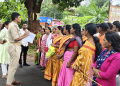

Housing & Urban Development Minister Krushna Chandra Mahapatra said that active citizen participation is essential for the success of urban transformation initiatives. “The state government is committed to creating cities that are not only modern and resilient but also responsive to the needs and aspirations of the people. This statewide outreach campaign will help bridge the gap between citizens and urban institutions, ensuring that government services are more accessible, transparent and accountable,” the minister said.
Under the leadership of Chief Minister Mohan Charan Majhi, we are working towards building people-centric cities where every citizen becomes an active partner in development,” he added.
The campaign will be implemented across all ULBs through a series of citizen-centric activities, including awareness rallies, ward-level meetings, public consultations, Swachhata drives, community engagement programmes and Information, Education and Communication activities.
Special emphasis will be placed on sanitation, waste management, water conservation, environmental sustainability and civic responsibility.
Citizens will be able to obtain information and assistance related to property tax, water supply connections, trade licenses, building plan approvals, housing schemes and other public services.
The programme will further encourage participation from self help groups (SHGs), Resident Welfare Associations, youth organisations, market associations and community-based institutions.
The campaign will conclude with citizen feedback sessions and public interactions aimed at capturing local priorities, strengthening community participation and identifying opportunities for improving urban services.