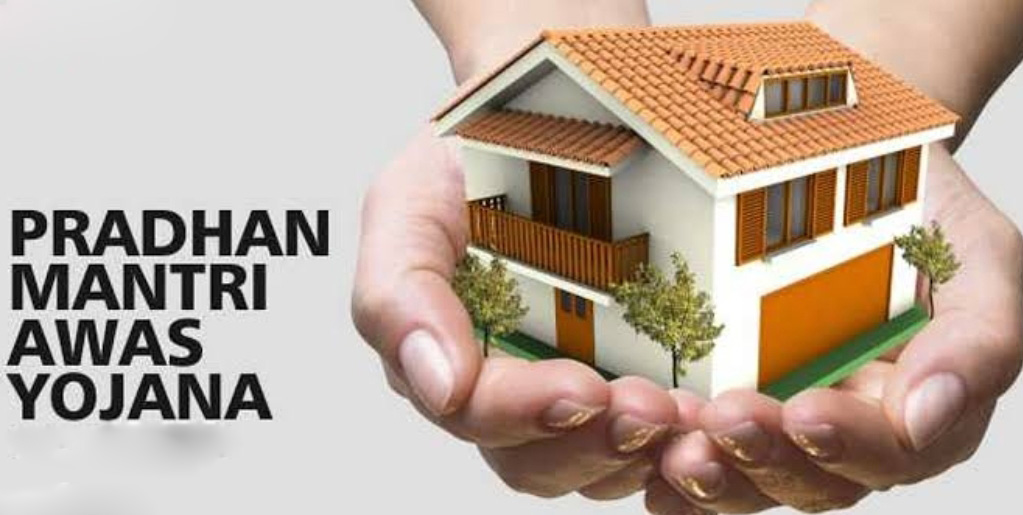
Bhubaneswar: In a significant move to address the housing needs of urban migrants and low-income groups, Odisha government has reportedly begun identifying vacant and unutilised Central and state government buildings in urban areas for conversion into affordable rental housing (ARH) under the Pradhan Mantri Awas Yojana–Urban (PMAY-U) 2.0.
Additional Chief Secretary, Housing and Urban Development Department, Usha Padhee has issued a communication to key state government departments, directing them to identify vacant or underutilised buildings and houses under their administrative control. The details are to be shared with the Odisha Urban Housing Mission (OUHM), the state nodal agency responsible for implementing PMAY-U 2.0.


Unlike earlier housing policies that focused mainly on home ownership, PMAY-U 2.0 introduces affordable rental housing as a dedicated vertical to cater to the needs of urban migrants, industrial and informal sector workers, and working women. This segment often requires safe and affordable accommodation but may not be in a position to purchase a house immediately.
According to the operational guidelines of PMAY-U 2.0, affordable rental housing will be implemented through two models.
Under Model I, existing government-funded vacant buildings or houses can be converted into rental housing through the public-private partnership (PPP) mode or by public agencies.
Under Model II, private or public entities may construct, operate and maintain rental housing units for economically weaker section (EWS) and low-income group (LIG) families, recovering their investment through rental income over an extended period.
The scheme also ensures affordability and transparency in rent fixation. Initial rent will be determined by the local authority based on a local survey, with provisions for biennial rent enhancement of up to 8 per cent, subject to a maximum cumulative increase of 20 per cent over five years.
The initiative aims to transform unutilised public assets into sustainable, income-generating housing units while supporting workforce stability, strengthening local economies and curbing the growth of informal settlements.
Departments have been requested to submit details of such vacant buildings and houses to OUHM for further action, including repair, retrofitting and making the units livable, with financial support provided under PMAY-U 2.0 by the Ministry of Housing and Urban Affairs, Government of India.
UNI