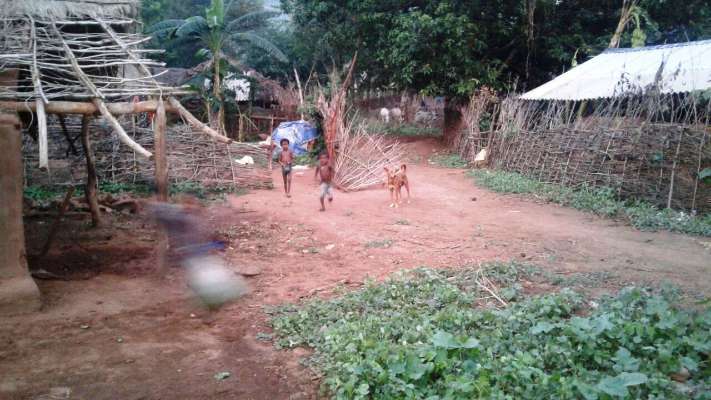
Kendrapara: Here is a village sans the usual presence of a citadel, the presiding deity and a cremation ground. There is no image of a Hindu god or goddess in the households either. The unique village is Udiapada in Kaupada Gram Panchayat of Derabish block. Some 35 families with a population of around 250 reside there.
The village was like any other over a century ago. Then, a time came when the villagers embraced the Alekh cult, also known as Mahima Dharma.
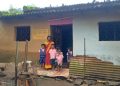
According to local Dhruba Charan Behera, it was in 1882 that the villagers embraced Mahima dharma from one Baman Chandra, a Mahima Alekha monk. They stopped worshipping the main citadel and demolished the citadels in front of their houses as well. The villagers also stopped worshipping the Hindu gods and goddesses at their houses.
If an outsider pays a visit to Udiapada, he would not get to see a citadel or a photo of gods or goddesses in the households.
While the worship of numerous gods and goddesses was very common among Hindus, the Mahima Dharma, like the Upanishads, has the unique distinction of preaching the all-pervading ultimate reality.
Notably, the Mahima religion opposes caste system and idol worship.
As per Mahima practice, its followers will take no food and water after sunset. No idol worship is permitted. “We worship the Supreme Lord of indescribable grace, Alekha,” informed Pramod Behera, a local teacher.
Needless to say, the village does not have a temple. It also does not have a cremation ground. The villagers bury body of the dead, instead of cremating it.
On the direction of monk Baman Chandra Baba, the villagers set up an Alekha tungi in the village. The monks of Alekha Mahima cult used to take rest there, informed Dhanurdhar Pradhan, a resident of Udiapada.
The women of the village do not observe Hindu festivals or rites thereof. “They prepare cakes and sweets a day before important festivities like Sambadashimi, Prathama Asthami etc, and distribute them to their near and dear ones. They do not take prasad or light up the hearth after sunset. They would have their dinner before sunset as per the Alekh Mahima dharma,” said octogenarian woman, Swarnalata Nayak.
If a relative comes in, the family would either prepare dinner for the relative or bring it from the market stalls. “Since the villagers have embraced Alekha Mahima dharma, one can find positive changes in the life of the villagers,” claimed Bishubhusan Mohapatra, a learned individual in the area.