Odisha News, Odisha Latest news, Odisha Daily - OrissaPOST
  • Home
  • Trending
  • State
  • Metro
  • National
  • International
  • Business
  • Feature
  • Entertainment
  • Sports
  • More..
    • Odisha Special
    • Editorial
    • Opinion
    • Careers
    • Sci-Tech
    • Timeout
    • Horoscope
    • Today’s Pic
  • Video
  • Epaper
  • News in Odia
  • Home
  • Trending
  • State
  • Metro
  • National
  • International
  • Business
  • Feature
  • Entertainment
  • Sports
  • More..
    • Odisha Special
    • Editorial
    • Opinion
    • Careers
    • Sci-Tech
    • Timeout
    • Horoscope
    • Today’s Pic
  • Video
  • Epaper
  • News in Odia
No Result
View All Result
OrissaPOST - Odisha Latest news, English Daily -
No Result
View All Result

When volatility is good politics

Updated: May 26th, 2026, 08:20 IST
in Opinion
0
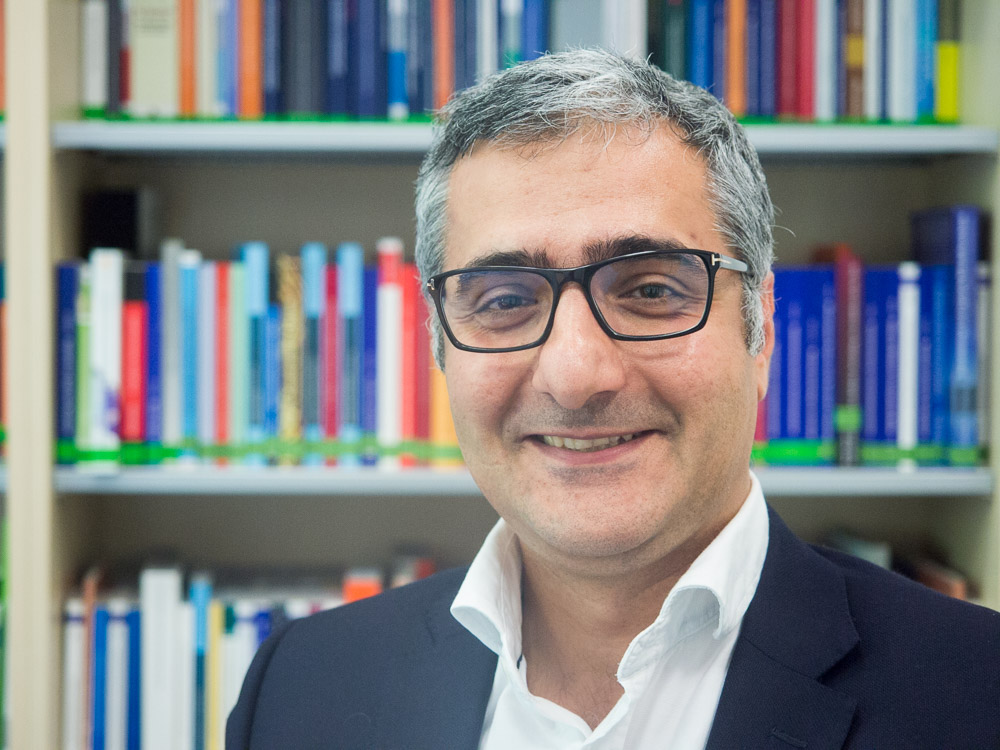
Mohammad Reza Farzanegan

OLYMPUS DIGITAL CAMERA

Share on FacebookShare on TwitterShare on WhatsAppShare on Linkedin

Mohammad Reza Farzanegan


Also Read

GULF’S POST-OPEC ORDER

1 day ago
Ranajoy Sen

Bangladesh should not be unduly skeptical

2 days ago

The US-Israeli war with Iran has revealed how instability can become a powerful political instrument. Leaders can exploit crises to maintain supporters’ loyalty, even while imposing costs on them, and extract concessions from domestic and foreign adversaries through coercion and manufactured unpredictability. In a forthcoming paper, Canadian economist Ronald Wintrobe calls this dynamic “thugocracy”: a form of rule grounded in coercion, intimidation, and unpredictability.

Over the past three months, the conflict has swung repeatedly— sometimes within hours—from escalation to de-escalation, with threats, strikes, sanctions, tolls, and ceasefire announcements following one another at breakneck speed. On 7 April, for example, only hours after warning that “a whole civilization will die tonight,” US President Donald Trump abruptly shifted course and announced a ceasefire, claiming that America’s military objectives had already been achieved. Here, Wintrobe’s thugocracy concept is especially valuable because it highlights how coercion, instability, and political loyalty can interact in ways that redistribute the costs and benefits of conflict unevenly across society. Political and economic insiders have the financial resources and privileged information to benefit from instability, while all others absorb the costs. The Trump administration illustrates how war and profit are becoming increasingly intertwined.

In March, for example, the Financial Times reported that a broker associated with Secretary of “War” (Defence) Pete Hegseth attempted to acquire a defence-focused investment fund just before the start of the Iran war. While that allegation remains disputed, the broader dynamic is clear: those closest to power are uniquely positioned to anticipate shocks, hedge against them, and profit from the instability that follows.

Prediction markets like Polymarket have pushed that logic even further, turning geopolitical escalation itself into a speculative asset. Trade policy has likewise become an instrument of coercion, with Trump threatening to impose sweeping tariffs on countries that continue trading with Iran. Together with sanctions and military pressure, trade restrictions have become part of a unified bargaining strategy aimed not only at weakening Iran but also at maximizing US leverage over third countries. The war is therefore devastating an economy already weakened by years of cumulative shocks. And because ordinary Iranian households bear most of these costs, external actors remain insulated from many of the immediate political costs of escalation. This helps explain why coercive policies may retain support among a leader’s core constituency despite imposing significant economic costs. Information is central to this process, especially among Trump’s core supporters. The issue is not formal censorship, but a fragmented and polarized media environment in which the costs of the Iran war can be reframed as the price of strength, deterrence, and national renewal.

In such a setting, economic strain can more easily be attributed to Iran, foreign rivals, or domestic opponents rather than to the administration’s own decisions. Identity also plays a powerful role. When policies are framed as vital to national security, they can create a strong sense of collective purpose even as they impose severe economic costs. That is because public attitudes are shaped as much by status, identity, and fear of external threats as they are by material interests.

Moreover, when war generates economic gains for certain groups, it can create powerful incentives to prolong it. While not every beneficiary seeks escalation, some actors are structurally positioned to profit from it. The fallout does not stop at national borders. Rising prices, supply-chain disruptions, and heightened uncertainty ripple through the global economy, affecting households and firms far beyond the immediate conflict zone and reshaping political incentives worldwide. As long as volatility enriches the powerful while ordinary people pay the price, escalation will remain politically useful. The real challenge, therefore, is to sever the link between geopolitical in stability and private gain.

The writer is Professor of the Economics of Middle East at Center for Near & Middle Eastern Studies.


Orissa POST – Odisha’s No.1 English Daily

 

ShareTweetSendShare
Suggest A Correction

Enter your email to get our daily news in your inbox.


OrissaPOST epaper Sunday POST OrissaPOST epaper

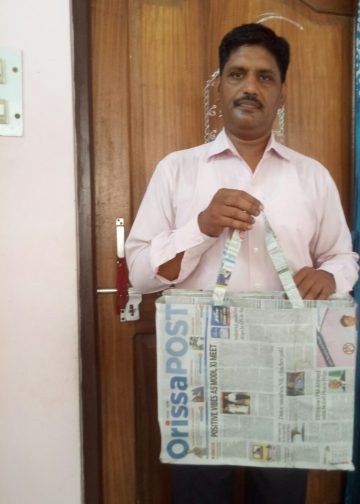
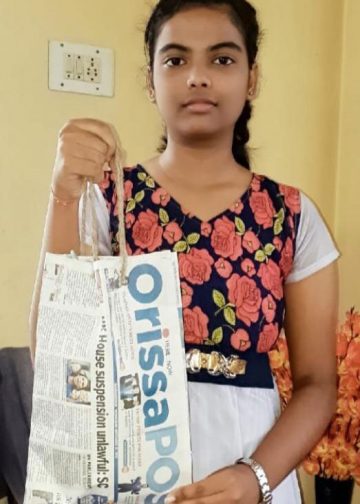
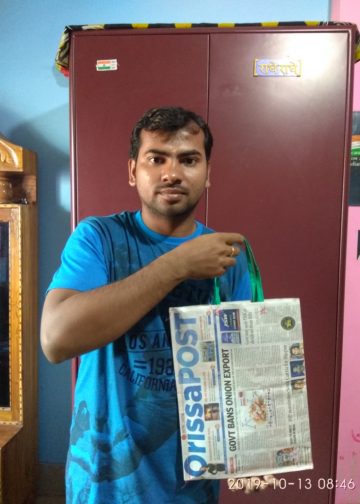
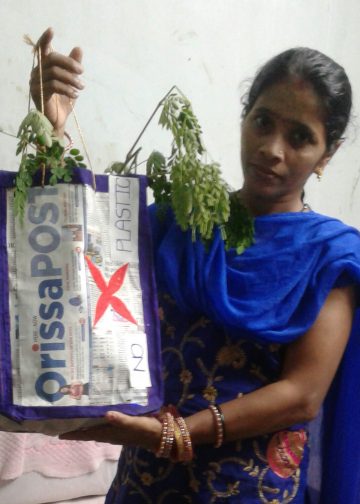
Click Here: Plastic Free Odisha

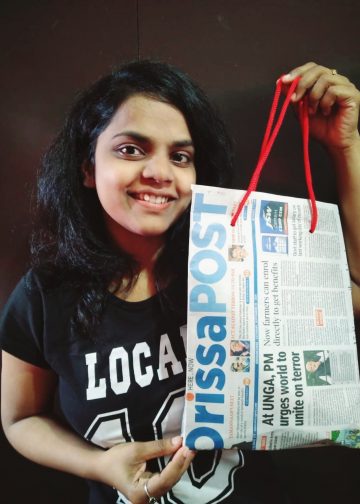
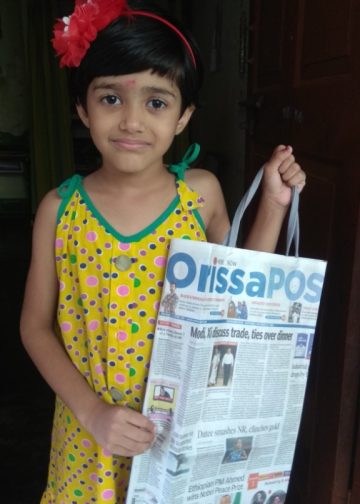
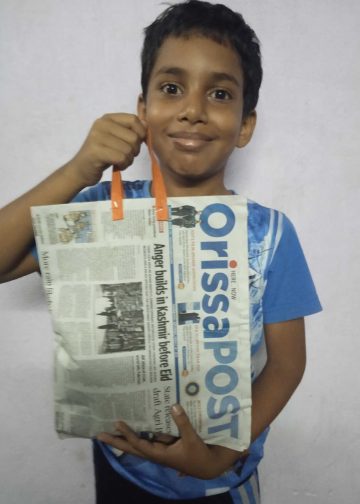
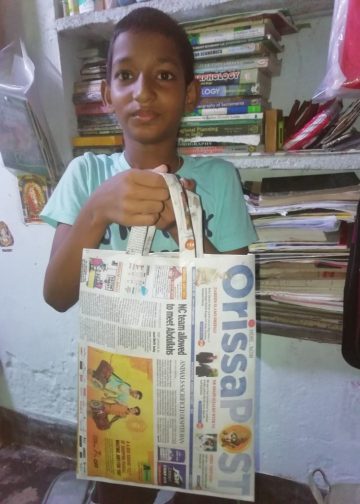
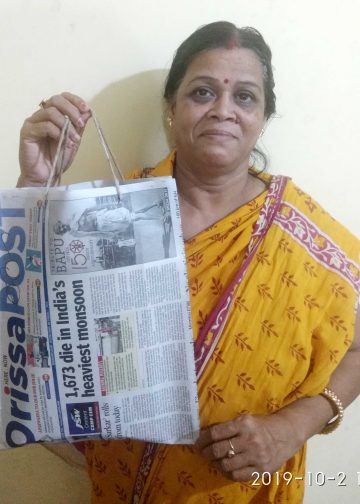
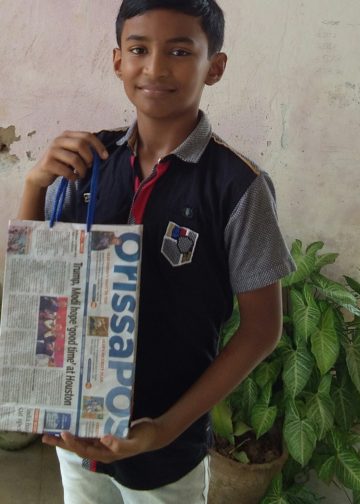
#MyPaperBagChallenge

Praptimayee Biswal

December 12, 2019
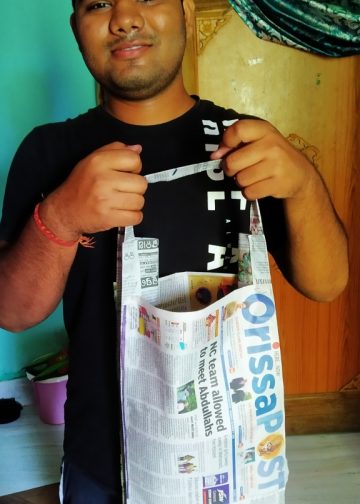
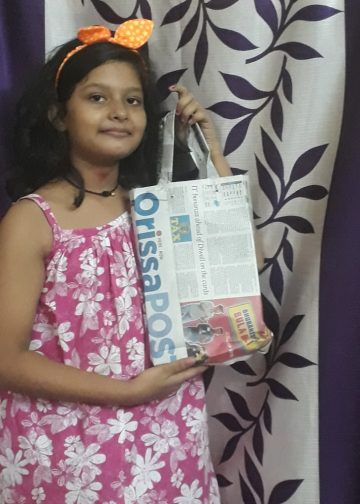
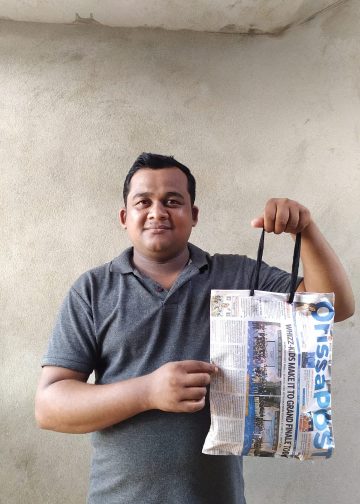
#MyPaperBagChallenge

Faiza Firdous

December 12, 2019
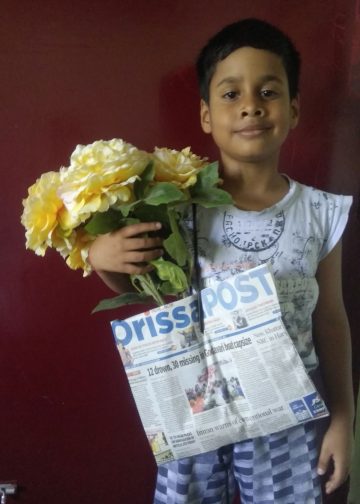
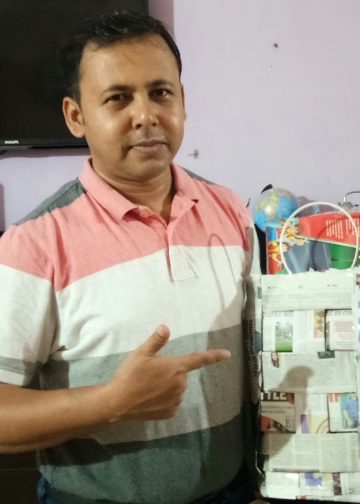
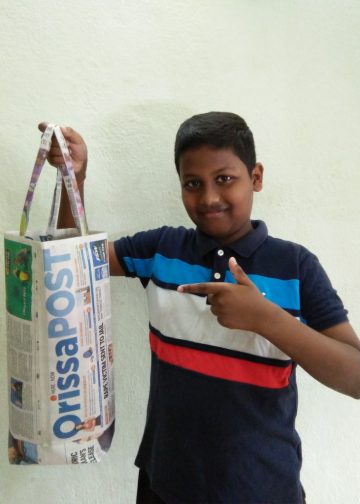
#MyPaperBagChallenge

Parbati Mohanty

December 12, 2019
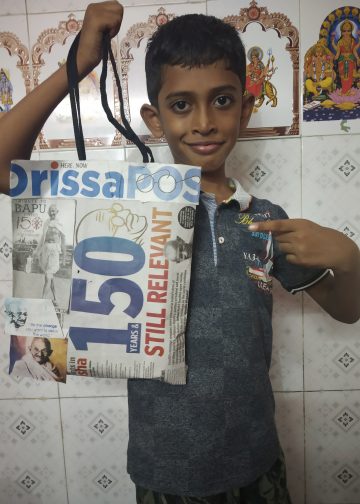
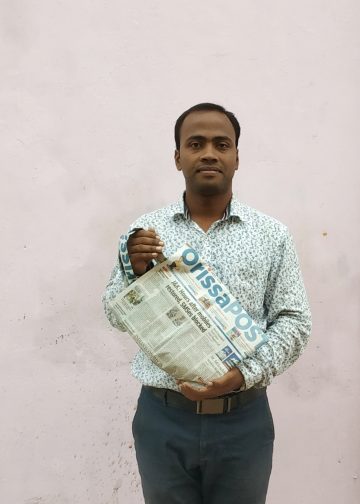
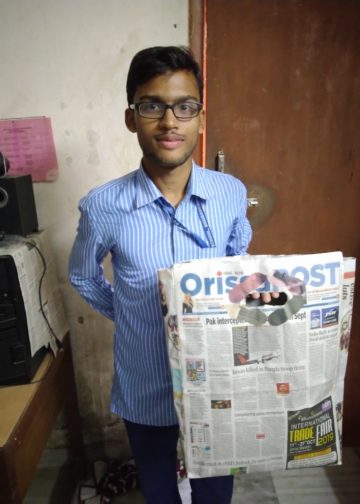
#MyPaperBagChallenge

Geetanjali Patro

December 12, 2019
#MyPaperBagChallenge

Archit Mohapatra

December 12, 2019
#MyPaperBagChallenge

Anshuman Sahoo

December 12, 2019
#MyPaperBagChallenge

Adrita Bhattacharya

December 12, 2019
#MyPaperBagChallenge

Sarmistha Nayak

December 12, 2019
#MyPaperBagChallenge

Ankita Balabantray

December 12, 2019
#MyPaperBagChallenge

Matrumangal Jena

December 12, 2019
#MyPaperBagChallenge

Sarfraz Ahmad

December 12, 2019
#MyPaperBagChallenge

Archana Parida

December 12, 2019
#MyPaperBagChallenge

Tabish Maaz

December 12, 2019
#MyPaperBagChallenge

D Rama Rao

December 12, 2019
#MyPaperBagChallenge

Arya Ayushman

December 12, 2019
#MyPaperBagChallenge

Shreyanshu Bal

December 12, 2019
#MyPaperBagChallenge

Ramakanta Sahoo

December 12, 2019
#MyPaperBagChallenge

Pitabas Tripathy

December 12, 2019
#MyPaperBagChallenge

Sitakanta Mohanty

December 12, 2019
#MyPaperBagChallenge

Akshaya Kumar Dash

December 12, 2019
#MyPaperBagChallenge

Anasuya Sahoo

December 12, 2019
#MyPaperBagChallenge

Chinmay Kumar Routray

December 12, 2019
#MyPaperBagChallenge

Jyotshna Mayee Pattnaik

December 12, 2019
#MyPaperBagChallenge

Debasis Mohanty

December 12, 2019
#MyPaperBagChallenge

Anup Mahapatra

December 12, 2019
#MyPaperBagChallenge

Sibarama Khotei

December 12, 2019
#MyPaperBagChallenge

Priyabrata Mohanty

December 12, 2019
#MyPaperBagChallenge

Akriti Negi

December 12, 2019
#MyPaperBagChallenge

Mrutyunjaya Behera

December 12, 2019
#MyPaperBagChallenge

Saishree Satyarupa

December 12, 2019

Archives

Editorial

Peace Deal Hopes

Donald Trump
May 26, 2026

As the stalemate in the war between the US-Israel combine and Iran continues, good news has emerged following a social...

Read moreDetails

Tough Road Ahead

Marco Rubio
May 25, 2026

US Secretary of State Marco Rubio’s ongoing visit to India comes at a moment of unusual strain in India-US relations,...

Read moreDetails

Screaming at Facts

Aakar Patel
May 24, 2026

By Aakar Patel Assume for a moment that I am a big and strong fellow who lifts heavy weights easily...

Read moreDetails

Status Quo Safe

Dilip Cherian
May 23, 2026

By Dilip Cherian Another year for Praveen Sood as CBI Director was hardly unexpected. In fact, the bigger surprise would...

Read moreDetails
  • Home
  • State
  • Metro
  • National
  • International
  • Business
  • Editorial
  • Opinion
  • Sports
  • About Us
  • Advertise
  • Contact Us
  • Jobs
Developed By Ratna Technology

© 2025 All rights Reserved by OrissaPOST

  • News in Odia
  • Orissa POST Epaper
  • Video
  • Home
  • Trending
  • Metro
  • State
  • Odisha Special
  • National
  • International
  • Sports
  • Business
  • Editorial
  • Entertainment
  • Horoscope
  • Careers
  • Feature
  • Today’s Pic
  • Opinion
  • Sci-Tech
  • About Us
  • Contact Us
  • Jobs

© 2025 All rights Reserved by OrissaPOST

    • News in Odia
    • Orissa POST Epaper
    • Video
    • Home
    • Trending
    • Metro
    • State
    • Odisha Special
    • National
    • International
    • Sports
    • Business
    • Editorial
    • Entertainment
    • Horoscope
    • Careers
    • Feature
    • Today’s Pic
    • Opinion
    • Sci-Tech
    • About Us
    • Contact Us
    • Jobs

    © 2025 All rights Reserved by OrissaPOST