Odisha News, Odisha Latest news, Odisha Daily - OrissaPOST
  • Home
  • Trending
  • State
  • Metro
  • National
  • International
  • Business
  • Feature
  • Entertainment
  • Sports
  • More..
    • Odisha Special
    • Editorial
    • Opinion
    • Careers
    • Sci-Tech
    • Timeout
    • Horoscope
    • Today’s Pic
  • Video
  • Epaper
  • News in Odia
  • Home
  • Trending
  • State
  • Metro
  • National
  • International
  • Business
  • Feature
  • Entertainment
  • Sports
  • More..
    • Odisha Special
    • Editorial
    • Opinion
    • Careers
    • Sci-Tech
    • Timeout
    • Horoscope
    • Today’s Pic
  • Video
  • Epaper
  • News in Odia
No Result
View All Result
OrissaPOST - Odisha Latest news, English Daily -
No Result
View All Result

In India, 7.3% of the population owned digital currency in 2021, 7th highest in the world: UN

PTI
Updated: August 11th, 2022, 21:05 IST
in Sci-Tech
0
Representational image

Representational image

Share on FacebookShare on TwitterShare on WhatsAppShare on Linkedin

United Nations: Over seven per cent of India’s population owns digital currency, according to the UN, which said that the use of cryptocurrency rose globally at an unprecedented rate during the COVID-19 pandemic.

The UN trade and development body UNCTAD said that in 2021, developing countries accounted for 15 of the top 20 economies when it comes to the share of the population that owns cryptocurrencies.


Also Read

Drones

Ukraine offers drone defence tech as geopolitical bargaining tool

1 week ago

Andhra Pradesh to ban social media for children under 13 in 90 days

1 week ago

Ukraine topped the list with 12.7 per cent, followed by Russia (11.9 per cent), Venezuela (10.3 per cent), Singapore (9.4 per cent), Kenya (8.5 per cent) and the US (8.3 per cent).

In India, 7.3 per cent of the population owned digital currency in 2021, ranking seventh in the list of top 20 global economies for digital currency ownership as share of population.

“Global use of cryptocurrencies has increased exponentially during the COVID-19 pandemic, including in developing countries,” UNCTAD said.

In three policy briefs published on Wednesday, it said that while these private digital currencies have rewarded some and facilitate remittances, they are an unstable financial asset that can also bring social risks and costs.

The policy brief titled “All that glitters is not gold: The high cost of leaving cryptocurrencies unregulated” examines the reasons for the rapid uptake of cryptocurrencies in developing countries, including facilitation of remittances and as a hedge against currency and inflation risks.

It said that recent digital currency shocks in the market suggest that there are private risks to holding crypto, but if the central bank steps in to protect financial stability, then the problem becomes a public one.

“If cryptocurrencies become a widespread means of payment and even replace domestic currencies unofficially (a process called cryptoisation), this could jeopardise the monetary sovereignty of countries,” it said.

In developing countries with unmet demand for reserve currencies, stablecoins pose particular risks. For some of these reasons, the International Monetary Fund has expressed the view that cryptocurrencies pose risks as legal tender, it said.

The policy brief titled “Public payment systems in the digital era: Responding to the financial stability and security-related risks of cryptocurrencies” focuses on the implications of cryptocurrencies for the stability and security of monetary systems, and to financial stability.

“It is argued that a domestic digital payment system that serves as a public good could fulfil at least some of the reasons for crypto use and limit the expansion of cryptocurrencies in developing countries,” it said, adding that depending on national capabilities and needs, monetary authorities could provide a central bank digital currency or, more readily, a fast retail payment system.

Given the risk of accentuating the digital divide in developing countries, UNCTAD urges authorities to maintain the issuance and distribution of cash.

The policy brief titled “The cost of doing too little too late: How cryptocurrencies can undermine domestic resource mobilisation in developing countries” discusses how cryptocurrencies have become a new channel undermining domestic resource mobilisation in developing countries.

While cryptocurrencies can facilitate remittances, they may also enable tax evasion and avoidance through illicit flows, just as if to a tax haven where ownership is not easily identifiable.

In this way, cryptocurrencies may also curb the effectiveness of capital controls, a key instrument for developing countries to preserve their policy space and macroeconomic stability, it said.

UNCTAD urged authorities to take actions to curb the expansion of cryptocurrencies in developing countries, including ensuring comprehensive financial regulation of cryptocurrencies through regulating crypto exchanges, digital wallets and decentralised finance, and banning regulated financial institutions from holding cryptocurrencies (including stablecoins) or offering related products to clients.

It also called for restricting advertisements related to cryptocurrencies, as for other high-risk financial assets; providing a safe, reliable and affordable public payment system adapted to the digital era; implementing global tax coordination regarding cryptocurrency tax treatments, regulation and information sharing and redesigning capital controls to take account of the decentralised, borderless and pseudonymous features of cryptocurrencies.

PTI 

Tags: BitcoinCryptocryptocurrencyIndia
ShareTweetSendShare
Suggest A Correction

Enter your email to get our daily news in your inbox.


OrissaPOST epaper Sunday POST OrissaPOST epaper

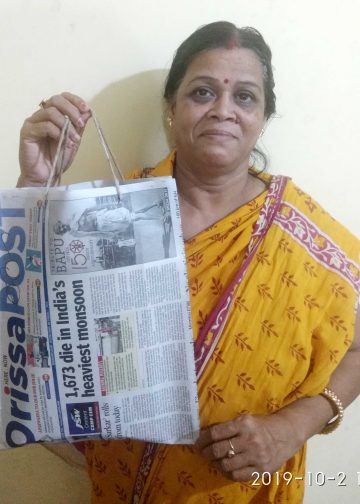
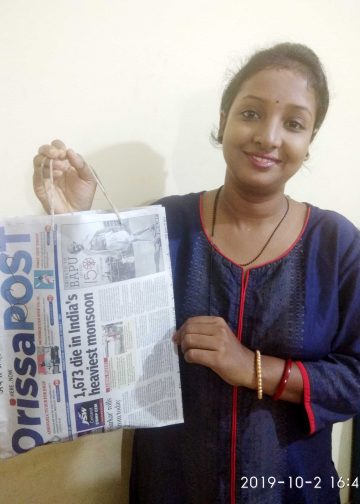
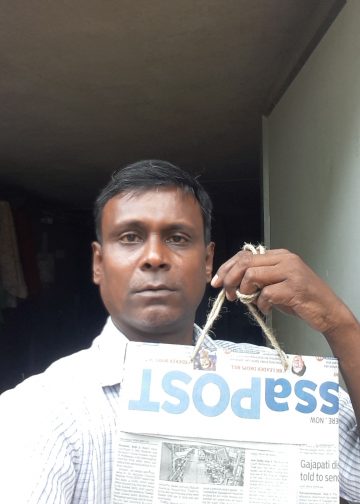
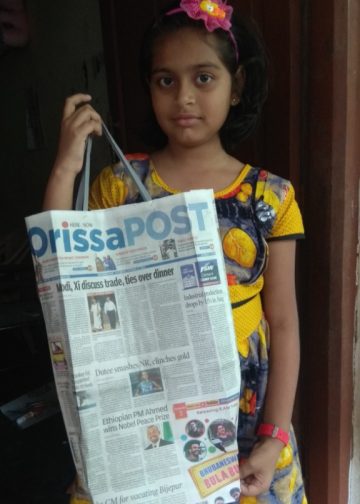
Click Here: Plastic Free Odisha

#MyPaperBagChallenge

Rajashree Manasa Mohanty

December 12, 2019
?????????????????????????????????????????????????????????????????????????????????????????????????????????????????????????????????
#MyPaperBagChallenge

Dibya Ranjan Das

December 12, 2019
#MyPaperBagChallenge

Chinmay Kumar Routray

December 12, 2019
#MyPaperBagChallenge

Pitabas Tripathy

December 12, 2019
#MyPaperBagChallenge

Ramakanta Sahoo

December 12, 2019
#MyPaperBagChallenge

Debasis Mohanty

December 12, 2019
#MyPaperBagChallenge

Keshab Chandra Rout

December 12, 2019
#MyPaperBagChallenge

Saishree Satyarupa

December 12, 2019
#MyPaperBagChallenge

Parbati Mohanty

December 12, 2019
#MyPaperBagChallenge

Jyotshna Mayee Pattnaik

December 12, 2019
#MyPaperBagChallenge

Ipsita

December 12, 2019
#MyPaperBagChallenge

Pratik Kumar

December 12, 2019
#MyPaperBagChallenge

Tapaswini Mallick

December 12, 2019
#MyPaperBagChallenge

Spinoj Pattnaik

December 12, 2019
#MyPaperBagChallenge

Ramakanta Sahoo

December 12, 2019
#MyPaperBagChallenge

Subhajyoti Mohanty

December 12, 2019
#MyPaperBagChallenge

Bijswajit Pradhan

December 12, 2019
#MyPaperBagChallenge

Shreyanshu Bal

December 12, 2019
#MyPaperBagChallenge

Rajashree Pravati Mohanty

December 12, 2019
#MyPaperBagChallenge

Adweeti Bhattacharya

December 12, 2019
#MyPaperBagChallenge

D Rama Rao

December 12, 2019
#MyPaperBagChallenge

Priyasha Pradhan

December 12, 2019
#MyPaperBagChallenge

Manas Samanta

December 12, 2019
#MyPaperBagChallenge

Praptimayee Biswal

December 12, 2019
#MyPaperBagChallenge

Anasuya Sahoo

December 12, 2019
#MyPaperBagChallenge

Sipra Mishra

December 12, 2019
#MyPaperBagChallenge

Archana Parida

December 12, 2019
#MyPaperBagChallenge

Pragyan Priyambada

December 12, 2019
#MyPaperBagChallenge

Sisirkumar Maharana

December 12, 2019
#MyPaperBagChallenge

Tabish Maaz

December 12, 2019

Archives

Editorial

Diplomatic Drift

March 15, 2026

On 4 November 2013, then Prime Minister Manmohan Singh spoke to over 120 heads of Indian missions and outlined the...

Read moreDetails

Selective Accountability

Power of Continuity
March 14, 2026

In Rajasthan, accountability has recently discovered a rather dramatic sense of urgency. A ten-minute technical glitch at Prime Minister Narendra...

Read moreDetails

War Travails

War
March 11, 2026

The energy crisis engulfing the whole world is deepening with no sign of the war between Israel-USA and Iran ending...

Read moreDetails

Nepal’s Rapper PM

balendra shah
March 10, 2026

Nepal did what Bangladesh could not. Its Gen Z has transformed its pent-up anger against mainstream political parties and their...

Read moreDetails
  • Home
  • State
  • Metro
  • National
  • International
  • Business
  • Editorial
  • Opinion
  • Sports
  • About Us
  • Advertise
  • Contact Us
  • Jobs
Developed By Ratna Technology

© 2025 All rights Reserved by OrissaPOST

  • News in Odia
  • Orissa POST Epaper
  • Video
  • Home
  • Trending
  • Metro
  • State
  • Odisha Special
  • National
  • International
  • Sports
  • Business
  • Editorial
  • Entertainment
  • Horoscope
  • Careers
  • Feature
  • Today’s Pic
  • Opinion
  • Sci-Tech
  • About Us
  • Contact Us
  • Jobs

© 2025 All rights Reserved by OrissaPOST

    • News in Odia
    • Orissa POST Epaper
    • Video
    • Home
    • Trending
    • Metro
    • State
    • Odisha Special
    • National
    • International
    • Sports
    • Business
    • Editorial
    • Entertainment
    • Horoscope
    • Careers
    • Feature
    • Today’s Pic
    • Opinion
    • Sci-Tech
    • About Us
    • Contact Us
    • Jobs

    © 2025 All rights Reserved by OrissaPOST