
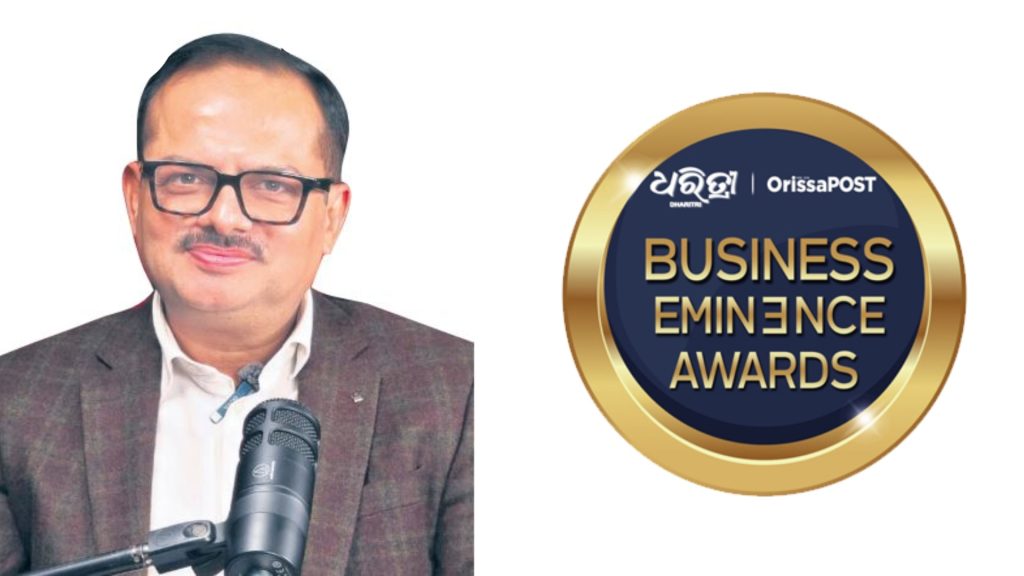
Dr Alok Srivastava is heading Apollo Hospital, Bhubaneswar as Chief Operating Officer. He completed Post Graduation Masters in Business Administration from Faculty of Management Studies, Delhi University. He had been a faculty of Advanced Trauma Life Support at School of Medicine, University of Utah, USA. Dr Srivastava carries expertise in the field of operations, medical strategy, merger and acquisition, quality assurance, and clinical excellence.
How did Apollo Hospitals successfully scale from a single hospital in 1983 to a network of 73 hospitals across Asia?
Apollo Hospitals has always focused on key pillars to consistently build patient trust through clinical and service excellence. The organisation has prioritised bringing the latest technology to the country, both in terms of advanced equipment and in setting standards across clinical specialties. It has also focused on driving excellence through a strong base of clinical talent, which forms the core of the entire business.
What business strategies enabled Apollo to dominate the private healthcare sector?
Growth has been a key factor, and this focus has enabled us to expand from one hospital to the current network of 73. We have led healthcare by setting international standards and replicating them across all our hospitals. It is important to note that all our hospitals adhere to the same set of quality standards, which drive clinical and service excellence. We benchmark clinical outcomes against international standards through the Apollo Clinical Excellence Program, one of the most unique initiatives in the country. Secondly, Apollo Hospitals invests significantly in technologies that reduce the length of hospital stays. This ultimately improves patient outcomes while also reducing treatment costs. Finally, Apollo Hospitals leads the country through a unique combination of talent, best-in-class equipment, and the effective use of these resources to deliver superior clinical outcomes.
How has the Apollo 24/7 platform contributed to Apollo’s digital transformation and patient engagement?
Apollo 24/7 is the largest multi-channel digital healthcare platform in India, created with a vision of eliminating access and flexibility barriers in healthcare. The platform was launched to remove mobility constraints, allowing users to access healthcare services online. This aligns with the Apollo Group’s overarching goal of making quality healthcare accessible to all.
What challenges does Apollo face in balancing affordability and premium healthcare services in emerging markets?
Quality healthcare often comes at a premium, especially when patients have to pay out of pocket. Affordability remains a growing challenge in emerging markets. We are working to reduce treatment costs by using consumables manufactured in India; however, in certain specialties, this is not always feasible. Many treatments depend on high-cost drugs and advanced equipment, which significantly increase overall costs. This creates a challenge, as reducing costs is not always easy or possible, particularly in complex procedures.
As an entrepreneur, why did you choose to enter this line of business? What advice will you give to the new entrants?
I would advice that aspiring entrepreneurs should choose a specific healthcare product line to focus on and commit to building it over time. This journey may take anywhere from three to 10 years, but consistent investment and dedication will help them excel. Over time, they will establish themselves in the market and gain recognition for the services they offer.