By Arindam Ganguly, OP
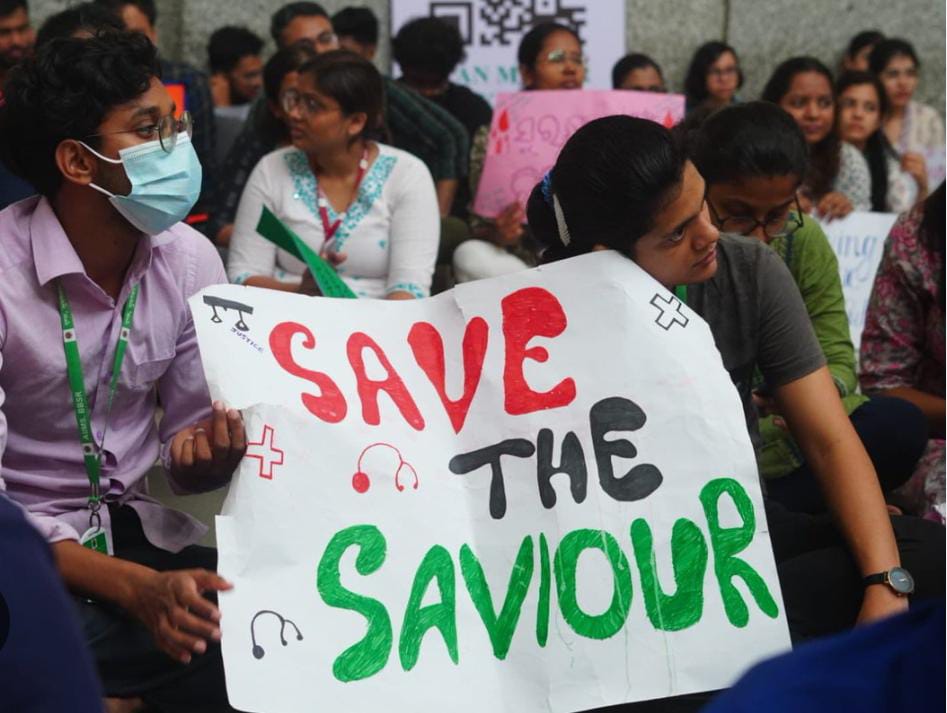
Bhubaneswar: Amid a spate of attacks on healthcare professionals in Odisha, this year’s National Doctors’ Day theme, “Behind the Mask: Who Heals the Healers?”, has assumed added significance, highlighting the growing physical, emotional and professional challenges faced by doctors, particularly the alarming rise in workplace violence.


The latest incident occurred at AIIMS-Bhubaneswar June 27, when attendants of a 36-year-old patient allegedly assaulted doctors and nursing staff after the patient, who was undergoing treatment for suspected poisoning, died despite intensive medical care. Three persons were arrested in connection with the attack. The institute strongly rejected allegations of medical negligence and condemned the violence against its staff.
As the nation observes National Doctors’ Day today, this year’s theme serves as a reminder that those who care for others also need protection, support and safe working conditions.
Just days earlier, June 17, an on-duty doctor at the District Headquarters Hospital in Malkangiri was allegedly assaulted by the relatives of a pregnant woman after her death. Similar incidents at other hospitals have raised concerns over the safety of healthcare workers.
The problem extends beyond the medical profession. According to figures tabled by Chief Minister Mohan Charan Majhi in the Assembly, attacks on government employees, including doctors, while on duty rose from 632 cases in 2024-25 to 767 in 2025-26 — an increase of nearly 21 per cent.
Dr Srikant Kumar Dhar
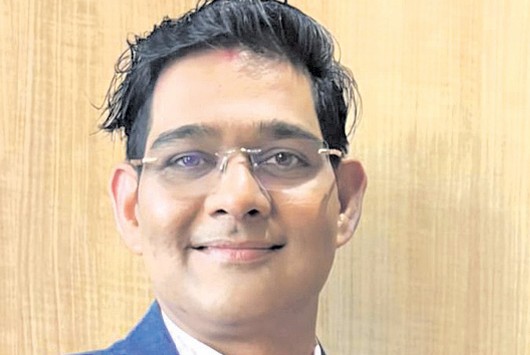
Medical experts say these incidents underscore the relevance of this year’s Doctors’ Day theme.
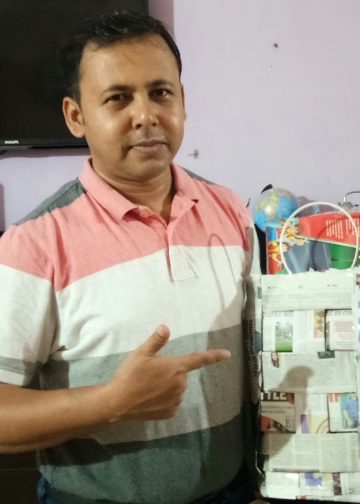
Medicine Specialist Dr Srikant Kumar Dhar said a resilient healthcare system cannot exist without protecting those who deliver care.
“A strong health care system depends on healthy, safe and motivated doctors. Protecting doctors from workplace violence, reducing burnout and promoting mental well-being are essential not only for the medical fraternity but for the nation,” he said.
Dr Amrit Pattojoshi
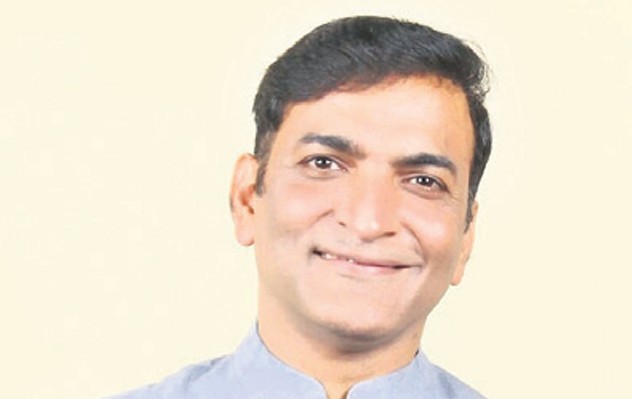
“Burnout, depression, anxiety, sleep deprivation and emotional exhaustion are becoming increasingly common among doctors.
When doctors begin to fear for their safety while treating patients, the entire healthcare system suffers,” Psychiatrist Dr Amrit Pattojoshi said, calling for stricter enforcement of laws against violence, stronger hospital security and better doctor-patient communication.
Dr Priyanka Samal
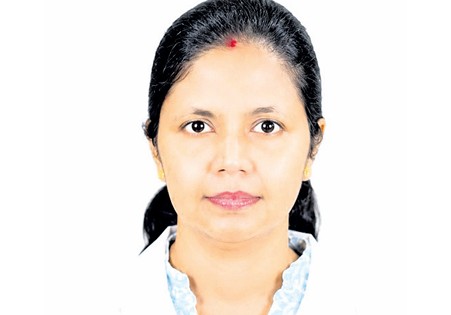
Sharing her views, senior clinical haematologist Dr Priyanka Samal said caring for doctors is a necessity, not a privilege, highlighting the additional challenges faced by women doctors, including workplace harassment, safety concerns during night shifts, gender bias and burnout.
Neurologist Dr Payod Kumar Jena
Renowned Neurologist Dr Payod Kumar Jena said healing the healers requires safe workplaces, mental health support, reasonable workloads and society’s respect.
“When we protect our doctors with compassion and dignity, they can continue saving lives with renewed strength, hope and unwavering commitment,” he added.
Dentist Dr Subasish Behera
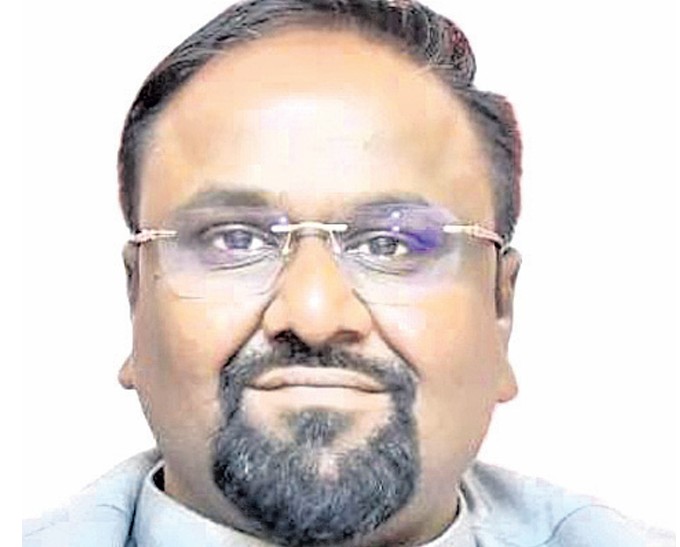
Echoing similar views, Dentist Dr Subasish Behera said, “Doctors are not gods. We do everything honestly and with complete dedication to save lives.
If a patient dies despite our efforts, it is never intentional.
Assaulting doctors is disgraceful, and stricter laws are urgently needed to prevent such incidents.”
Odisha Medical Services Association (OMSA) president Dr Kishore Chandra Mishra said grievances over treatment should be addressed through legal and administrative channels, adding that violence inside hospitals has no place in a civilised society.
Responding to growing concerns, the Odisha government earlier rolled out a security enhancement plan for government hospitals, deploying senior police officers at all 14 government medical colleges, posting Inspectors at district headquarters hospitals and setting up dedicated police outposts within medical colleges.
However, attacks on doctors continue despite these measures, exposing gaps in implementation and raising questions about their effectiveness.