Bhubaneswar: The third day of the 7th Indian Documentary Film Festival Bhubaneswar (IDFFB), organised by the Film Society of Bhubaneswar (FSB), brought together films and discussions exploring student aspirations, women’s movements, independent filmmaking and the cultural life of contemporary India. The day opened with TechnoCats by Goutam Sonti, which follows seven young people from different parts of the country as they pursue their dream of securing admission to the Indian Institutes of Technology (IITs).
Later, Hemant Gaba’s An Engineered Dream was screened. The film follows four teenagers who travel from different corners of India to Kota, Rajasthan, where they live and study in cramped, cubicle-sized rooms while preparing for one of the country’s most competitive undergraduate engineering entrance examinations.


Both films were screened as part of the festival’s special focus, ‘Reflecting Student Life’, examining the pressures, aspirations and realities that shape the lives of young students. The programme continued with Uma Chakravarti’s Woh Subah Humi Se Aaegi, followed by a post-screening conversation between Chakravarti and film critic Aditya Shrikrishna.
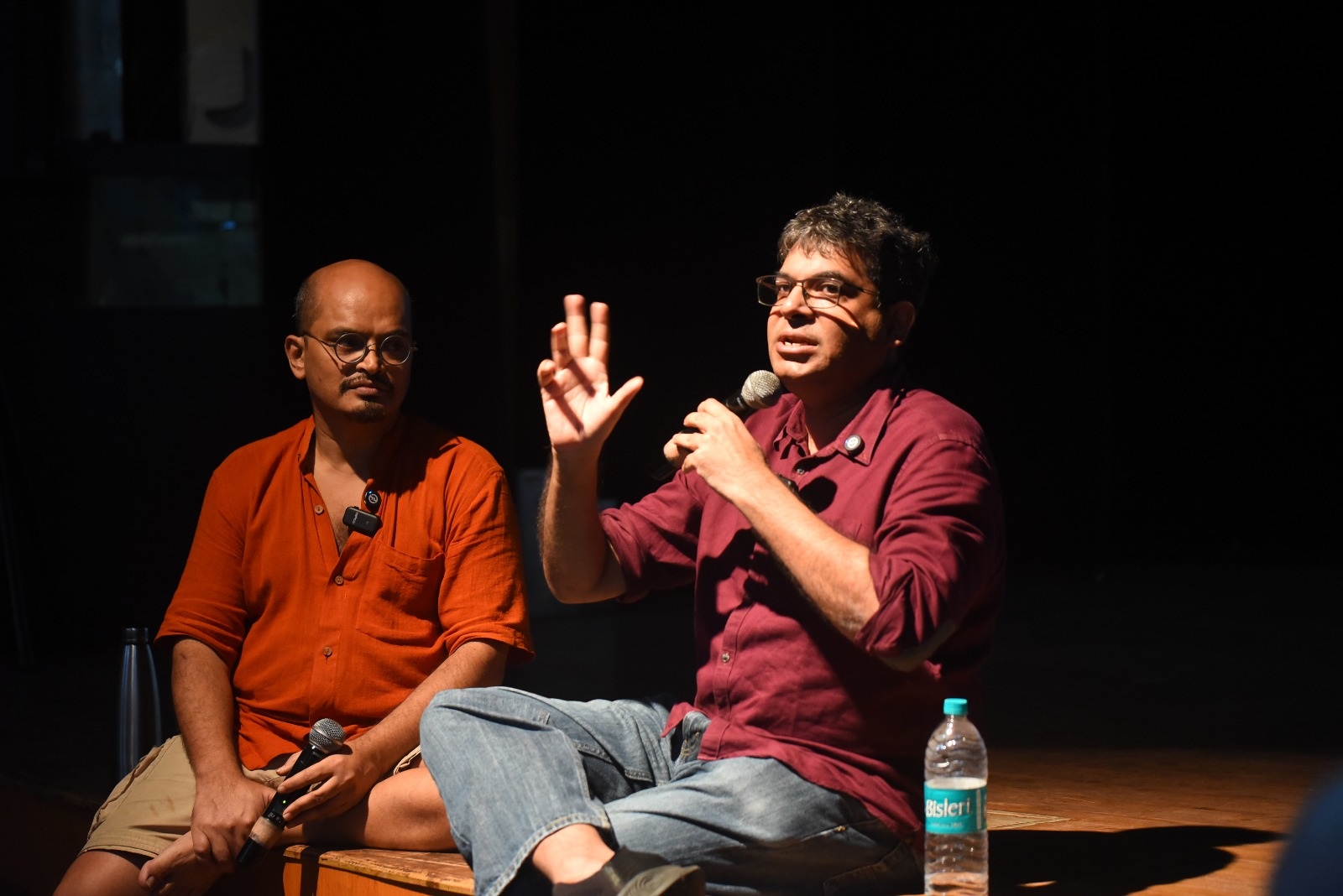
Speaking about her approach to the film, Chakravarti said she wanted to chronicle the women’s movement over the years without relying solely on conventional interviews with its prominent leaders. “I am at present an archivist, and I really wanted to chronicle the women’s movement over the years. In this case, I made the deliberate choice to not have ‘talking heads’, i.e. simply interview leaders from various movements and get their description,” she said. The post-lunch session featured filmmaker Jaideep Varma, who interacted with the audience and spoke about his experience of making films on musician Sushmit Sen, filmmaker Sudhir Mishra and the evolution of stand-up comedy in India. Varma also discussed his latest documentary on Kabir Suman, the acclaimed singer-songwriter, composer and vocalist.
The filmmaker also spoke about the challenges of independent filmmaking, including self-financing and self-distribution. The day concluded with Love in the Face of Genocide by Shero Hinde, screened under the festival’s ‘Cinema of Kurdish People’ section.
The programme also featured repeat screenings of Metancherry by Sunil Raj Nambu and Banjaran Sisters by Tanvi Jadwani. Through its diverse selection of films and conversations, the festival’s third day brought together stories from different social and cultural contexts while placing personal experiences at the centre of documentary filmmaking. OrissaPOST and Dharitri are the print media partners for the event.
Orissa POST – Odisha’s No.1 English Daily