By Sujit Kumar Mishra
Recently, the Ministry of Health and Family Welfare, Government of India, through the International Institute for Population Sciences, Mumbai released the state fact sheets of the National Family Health Survey, Round 6 (NFHS-6, 2023–24). This release is particularly significant for Odisha, which continues to perform poorly on indicators related to Sustainable Development Goal 5 (SDG 5: Gender Equality). The availability of the latest NFHS data provides a timely opportunity to critically examine the extent and dimensions of gender disparities in the state to assess its progress toward achieving gender equality.


According to the recent NFHS-6, 18.6% of women aged 20-24 years were married before attaining the age of 18. Although this represents an improvement from the corresponding figure of 20.5% reported in NFHS-5 (2019-21), the decline has been marginal. The prevalence of child marriage remains considerably higher in rural areas (19.3%) than in urban areas (14.7%), indicating rural-urban disparities. Early marriage often leads to early pregnancy and motherhood, adversely affecting the health, education, and overall well-being of adolescent girls. In many cases, preference for son contributes to repeated pregnancies at a young age, further increasing health risks.
According to NFHS-6, 6.5% of women aged 15-19 years were already mothers or pregnant at the time of the survey, a small decline from 7.5% in NFHS-5. Teenage childbearing is more than twice as common among rural teenagers (7.2%) than among urban teenagers (2.8%). These findings highlight the need for targeted interventions to delay marriage and childbearing, improve reproductive health services, and address gender-biased social norms, including son preference.
Here the role of family planning is important which is directly related to the health and well-being of women. Among the various family planning methods, sterilisation is one of the most popular methods in India in general and Odisha in particular. Although sterilisation can be undertaken by either partner, the main target is largely women. The disparity is clearly evident in the NFHS data. Male sterilisation remains negligible in Odisha, accounting for only 0.3% in both NFHS-5 and NFHS-6, indicating virtually no change over the period. In contrast, female sterilisation continues to be the dominant method of permanent contraception, although its prevalence declined marginally from 28% in NFHS-5 to 26.1% in NFHS-6. A significant proportion of men continue to perceive that sterilisation adversely affects their physical strength, sexual performance, or masculinity. Thus, encouraging greater male participation in this case would help in distributing more reproductive responsibilities.
Another important indicator associated with the well-being of women is safe delivery, particularly institutional delivery, as it is generally attended by skilled healthcare personnel. In Odisha, the percentage of institutional deliveries increased marginally from 92.2% in NFHS-5 to 93.9% in NFHS-6. The share of institutional births taking place in public health facilities declined from 78.7% to 75% during the same period, indicating a growing reliance on private healthcare institutions. Furthermore, substantial differences are observed in caesarean section rates across sectors. Among births occurring in private health facilities, 76.8% were delivered through caesarean section, compared to only 19.9% in public health facilities. These findings suggest that the private healthcare sector in Odisha exhibits a disproportionately high dependence on caesarean deliveries. These disparities warrant closer examination to better understand the factors influencing delivery practices and healthcare utilisation patterns in the state.
Early marriage, teenage pregnancy, preference for baby boy, and female sterilisation are deeply rooted in long-standing social constructs and are intrinsically interconnected, with some acting as causes and others as consequences. Despite considerable material and intellectual investment made, progress on several key indicators remains slow, contributing to the state’s low performance on SDG 5. This underscores the need not only to strengthen institutional and legal mechanisms but also to address gender biases and social factors. Addressing these indicators through both structural and cultural interventions can significantly improve the well-being and empowerment of women and girls.
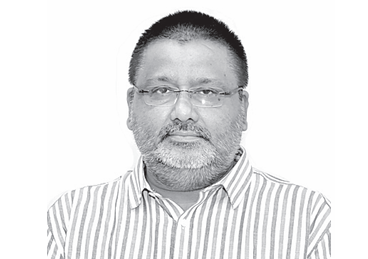
The writer is a Professor at the Council for Social Development, Hyderabad.