
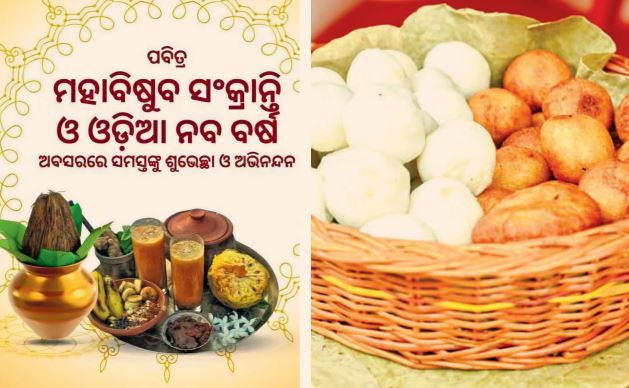
Bhubaneswar: Odisha is all set to welcome the Odia New Year—Maha Bishuba Sankranti, popularly known as Pana Sankranti—on April 14, with vibrant cultural fervour, marking the grand finale of the fortnight-long ‘Odia Pakhya’ celebrations dedicated to language, heritage and identity.
The concluding ceremony will be held at the Krushi Shiksha Sadan Auditorium of Odisha University of Agriculture and Technology (OUAT), where Chief Minister Mohan Charan Majhi will grace the occasion as chief guest. The event is set to bring together cultural troupes, artists, scholars, students and citizens in a spirited celebration of Odia pride.
The Odia New Year is more than just a calendar transition—it is a cultural and spiritual milestone symbolising renewal, prosperity and harmony with nature. Celebrated across the state, Maha Bishuba Sankranti marks the Sun’s transition into Aries (Mesha Sankranti), heralding the beginning of a new agricultural and seasonal cycle. From villages to cities, the festival is observed through temple rituals, family traditions, folk performances and community gatherings, reflecting the enduring cultural continuity of Odisha’s rich heritage.
This year’s celebrations hold added significance as the state concludes ‘Odia Pakhya’, observed from April 1 to 14 by the Odia Language, Literature and Culture department. The initiative aimed to reconnect citizens—especially the youth—with Odisha’s linguistic pride, traditional knowledge systems and cultural identity. The fortnight-long observance unfolded across the state through a series of themed daily events showcasing Odisha’s traditions, language and social values.
The celebrations began on April 2 and 3 with “Ama Poshak, Ama Parichaya,” encouraging citizens to embrace traditional handloom attire and celebrate Odisha’s rich textile heritage, with active participation across government offices and the public. “Khadi Chhuan” ceremonies and school enrolment drives were held April 4 to promote education and reinforce the use of the Odia language in daily life.
April 5 featured the “Heritage Run,” organised near historical sites across the state, blending fitness with cultural awareness under the Fit India–Fit Odisha initiative. On April 6, a statewide cleanliness drive was carried out in temples and public spaces, reinforcing civic responsibility and environmental consciousness.
“Shishu Katha Divas” focused on storytelling traditions, with 18,000 children’s books distributed to primary school students to promote folk tales and reading habits among young learners on April 7. A massive “Blood Donation Drive” was held on April 8, collecting over 6,000 units of blood in a single day through coordinated efforts of the Health & Family Welfare and Higher Education departments.
The “Aasa Bahitie Kiniba Abhiyan” encouraged youth to develop reading habits and strengthen literary engagement across communities on April 9. April 10 was dedicated to “Lokakala Paain Dinatie,” celebrating Odisha’s folk artists and traditional performing arts while recognising their contribution to the state’s cultural identity.
On April 11, the “Amrutapidhi Samaroh” highlighted creativity among children, adolescents and youth through diverse cultural and artistic expressions. April 12 featured the “Bandaneeya Baraputra” programme, introducing younger generations to the lives and ideals of Odisha’s eminent personalities, inspiring values of leadership and service.
April 13 was observed as “Ama Ruchi, Ama Khadya Divas,” showcasing traditional Odia cuisine and local food culture, highlighting indigenous culinary practices and regional flavours across households and public events.
The grand culmination on April 14 will mark Maha Bishuba Sankranti, the Odia New Year. Officials noted that the initiative has been implemented from grassroots villages to urban centres, ensuring widespread participation across the state.
The occasion is marked by deeply symbolic rituals that connect people with nature and spirituality. One of the central traditions is the preparation of Bela Pana, a cooling seasonal drink made from wood apple, jaggery, milk and spices. It is first offered to deities in temples and then distributed among devotees as a symbol of health and prosperity.
Another key ritual is the hanging of the Basundhara Theki—an earthen pot filled with pana and suspended over Tulsi plants. The slow dripping of water symbolises the cooling of the earth and the transition of seasons.
Devotees visit temples dedicated to Lord Shiva, Goddess Shakti and Lord Hanuman, offering prayers for well-being and prosperity in the year ahead. In many households, the reading of the Odia Panjika (traditional almanac) marks the beginning of the new religious and cultural calendar.
Cultural performances such as Chhau dance and Danda Nata, along with village fairs and urban melas, add vibrancy to the celebrations, showcasing Odisha’s rich performing arts heritage.
Maha Bishuba Sankranti holds multidimensional significance—it marks the beginning of a new agricultural cycle, symbolises spiritual purification and renewal, and reinforces the shared cultural identity of the Odia people through collective rituals and traditions.