
Sonepur: The Mahanadi and Tel rivers flowing through Subarnapur district have emerged as vital centres of biodiversity, drawing attention on the occasion of the International Day for Biological Diversity today. Widely regarded as the lifeline of Odisha, the Mahanadi River is not only a major source of water but also a thriving ecological habitat.
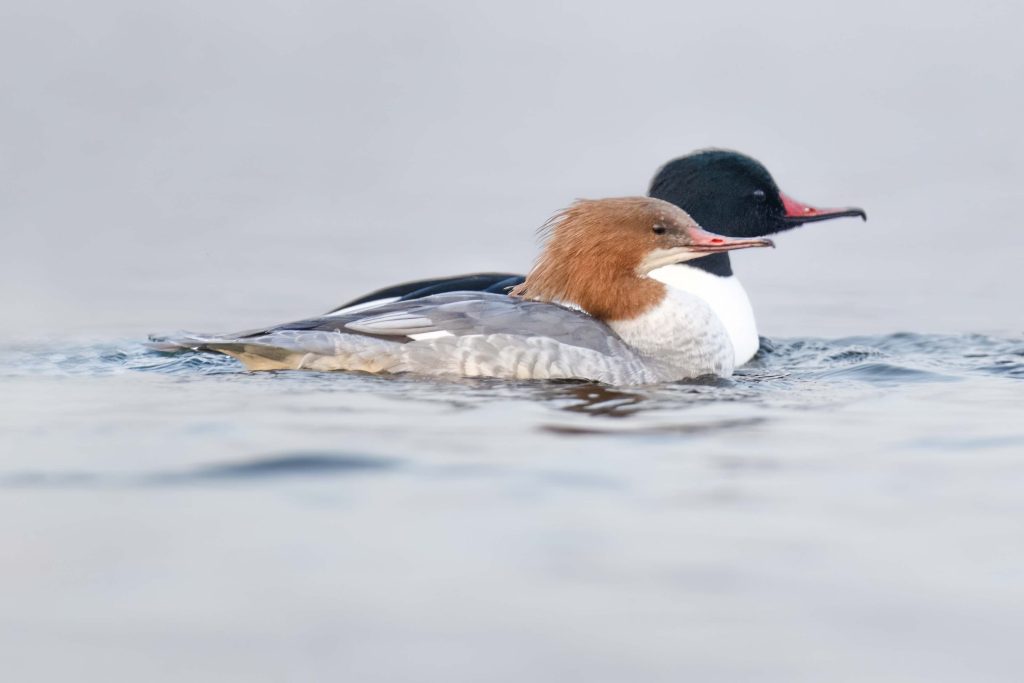
The river system supports a rich variety of fish, prawns and other aquatic life, while its wetlands, sandbars, islands and shallow channels provide ideal conditions for resident and migratory birds. The confluence of the Tel River and the Mahanadi near Sonepur town, along with the Lankeswari gorge region, has significantly enriched the area’s biodiversity. Every winter, large numbers of migratory birds arrive in the river basin in search of food, shelter and breeding grounds. Species commonly sighted along the riverbanks include ruddy shelducks, pied avocets, bar-headed geese, river terns, gulls, Indian skimmers, Asian openbill storks, pochards and cormorants. The clean, flowing waters and abundant fish population continue to attract diving birds and other waterfowl. In recent years, the rare common merganser has also been spotted in the Mahanadi system. The migratory duck species is usually found across Europe, North America and northern Asia. Ornithologists said the bird was recorded for the first time near the Lankeswari gorge close to Sonepur, marking a significant development for bird conservation efforts in Odisha.
Bird researchers have highlighted the ecological importance of the Mahanadi river system. Sandy islands and riparian habitats in the region provide suitable nesting grounds for rare species such as the Indian Skimmer and several other breeding waterbirds. The river’s sandbanks are considered crucial breeding sites for many species. However, environmentalists have expressed concern over increasing threats to the fragile ecosystem. Illegal sand mining from the riverbed, water pollution, overfishing through unlawful blasting methods, and unchecked human disturbance are endangering the region’s biodiversity. These activities are damaging nesting and feeding habitats of migratory birds. Experts stressed the need for urgent administrative intervention to conserve the habitats of endangered birds, including the common merganser.
Orissa POST – Odisha’s No.1 English Daily