
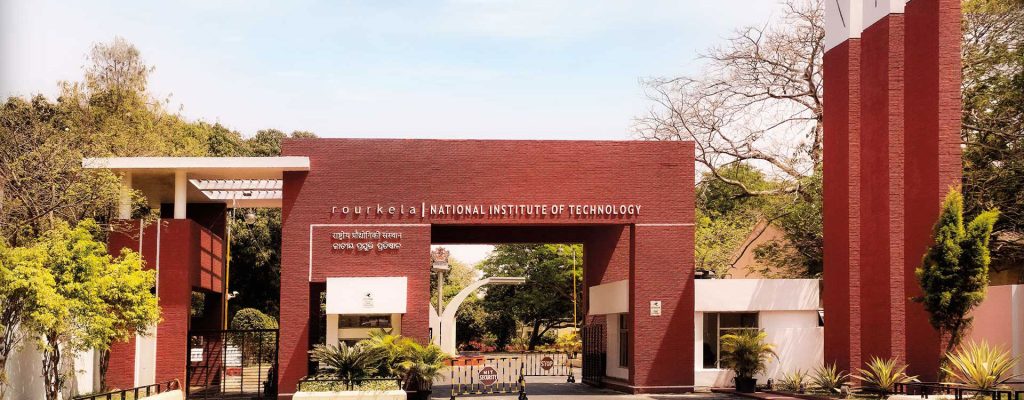
Rourkela: Researchers at the National Institute of Technology (NIT) Rourkela have developed a cost-effective ceramic adsorbent capable of removing harmful industrial dye from wastewater, offering a sustainable solution to water pollution.
The research team from the Department of Ceramic Engineering, led by Associate Professor Sunipa Bhattacharyya and research scholars Susant Mohapatra and Sourav Ranjan Satpathy, has created the adsorbent using industrial by-products such as fly ash, ground granulated blast-furnace slag (GGBS) and kaolin clay.
Industrial sectors including textiles, dyeing and printing generate large volumes of coloured wastewater that can pollute rivers and lakes, threatening aquatic ecosystems and human health.
Conventional treatment methods are often costly, energy-intensive and produce additional waste.
Also Read : NIT-Rourkela develops lightweight material for aircraft landing gear
The NIT Rourkela team’s ceramic adsorbent was specifically designed to remove Methyl Blue, a common dye found in industrial effluents.
Laboratory tests showed the material achieved more than 95 per cent dye removal efficiency.
Bhattacharyya said the research used raw kaolin clay instead of heat-treated metakaolin, eliminating an energy-intensive production step and making the process more sustainable and economically viable.
The adsorbent can be produced at an estimated cost of Rs 25 to Rs 50 per kg, making it a promising option for industrial wastewater treatment.
The findings were published in the journal Chemistry Select and support the United Nations Sustainable Development Goals on clean water and responsible production.