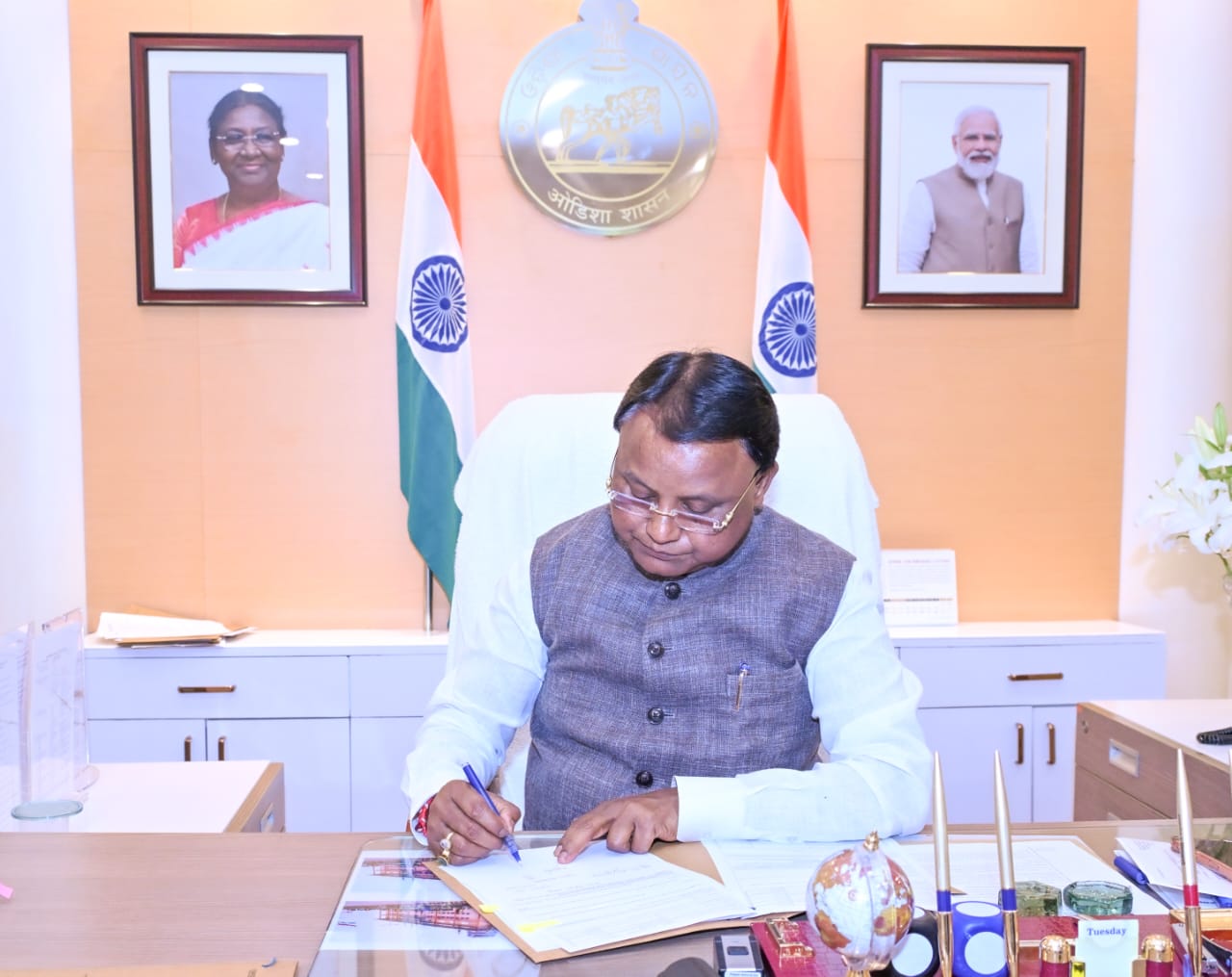
Bhubaneswar: As Odisha Chief Minister Mohan Charan Majhi turns 54, the state looks back on a year of significant change and ambition. Majhi, who assumed office in June 2024, has led the state through a transformative period, focusing on a “people-first” governance model that has resonated with both rural communities and urban sectors.
His first year in office has seen bold moves in cultural revival, women’s empowerment, agricultural reforms, and industrial growth.


FROM ‘GURUJI’ TO GOVERNANCE: THE REMARKABLE LIFE OF MOHAN CHARAN MAJHI Born
January 6, 1972, in Raikala, a remote village in Keonjhar district, Majhi’s journey is an inspiring story of resilience. The son of a security guard and later a school peon, he grew up amidst the challenges faced by rural Odisha. His early job as a teacher at the Saraswati Shishu Vidya Mandir in Jhumpura laid the foundation for his deeply rooted, community-focused approach to governance.
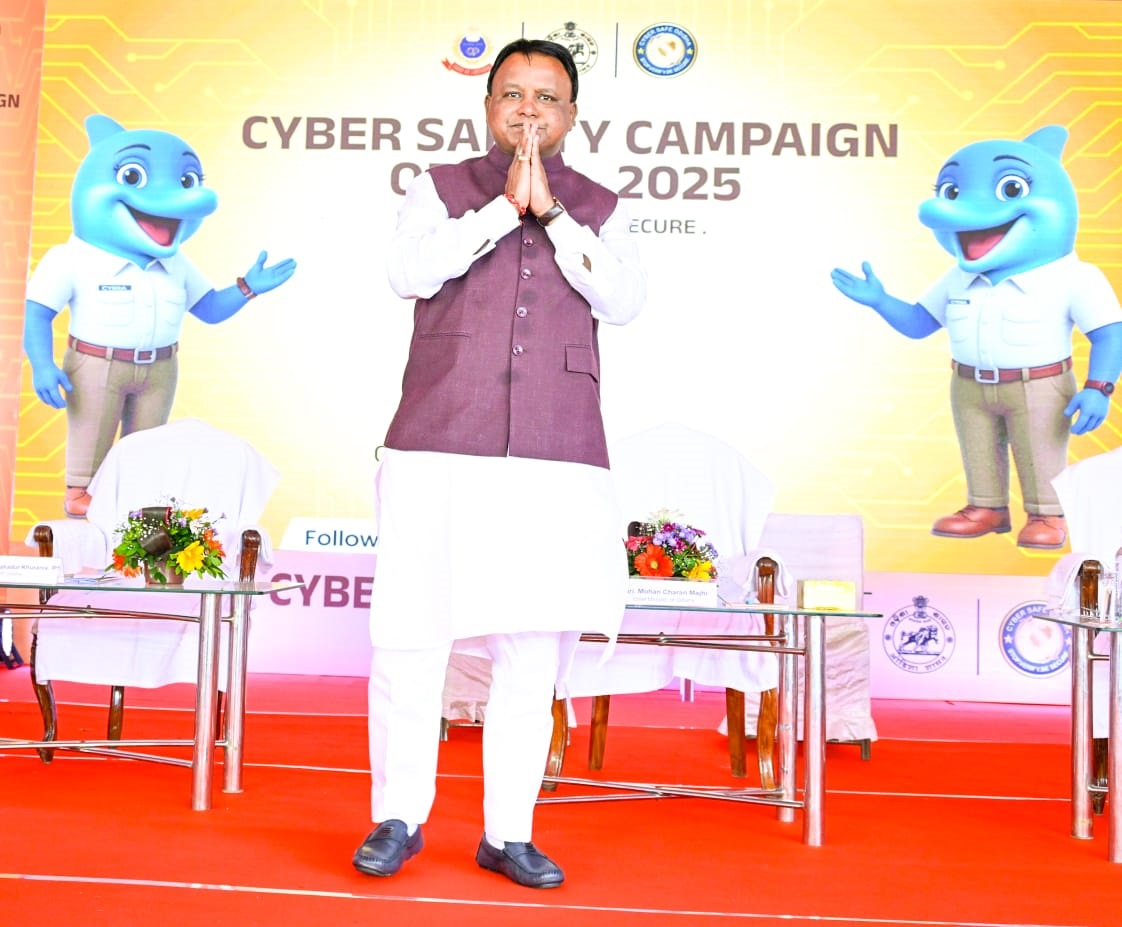
Before entering politics, Majhi was known affectionately as “Guruji” by his students, a title that speaks volumes about his disciplined and empathetic nature. His political career began in 1997 when he became the Sarpanch of his village. Over the years, he rose through the ranks of the Bharatiya Janata Party (BJP), eventually becoming a four-time Member of Legislative Assembly (MLA) from Keonjhar. Later, Majhi made history in 2024 by becoming the first BJP Chief Minister of the state.
RESTORING CULTURAL IDENTITY AND SPIRITUAL HERITAGE
One of the most defining moments of Majhi’s tenure was the immediate fulfilment of a core promise: the restoration of full access to the Jagannath Temple in Puri. Within 24 hours of taking office, his government reopened all four gates of the 12th-century shrine, ending years of restricted entry that had caused immense difficulty for devotees. This was followed by the historic reopening of the Ratna Bhandar (Srimandir treasure trove) after nearly 40 years to conduct an inventory of the Lord’s ornaments. To ensure the long-term preservation of these traditions, he established a Rs 500 crore corpus fund for the temple and launched the “Odia Asmita” (Odia Pride) initiative, which mandates the use of Odia language in all official state government business and allocated funds for a dedicated “Odia Asmita Bhawan.”
KEY ACHIEVEMENTS OF CM MAJHI (2024–2025)
Under Majhi’s leadership, the state of Odisha has witnessed a significant shift in both governance and development policies. Here are some of the key initiatives that have defi ned his first year:
- WOMEN’S EMPOWERMENT: SUBHADRA YOJANA
The Subhadra Yojana stands as the cornerstone of Majhi’s social welfare agenda, aimed at making women financially independent. This flagship scheme provides Rs 50,000 as financial assistance to over one crore women across the state, distributed in instalments over five years.
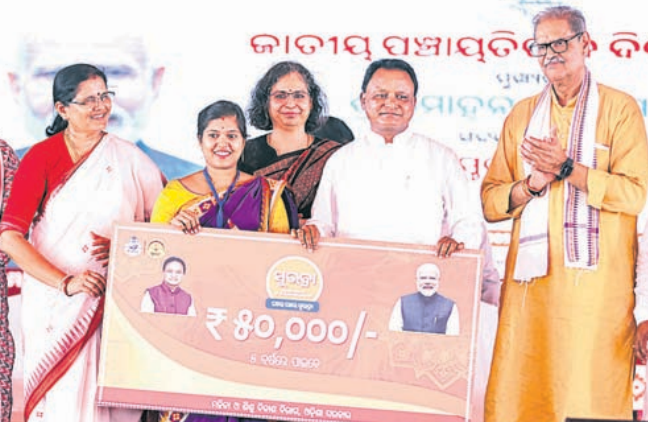
Beyond just cash transfers, the government has integrated this with the “Lakhpati Didi” initiative, helping over 17 lakh women transition into successful small-scale entrepreneurs. By providing this capital, the Majhi administration has significantly boosted the rural economy and enhanced the decision-making power of women in Odia households.
- REVOLUTIONIZING THE AGRARIAN ECONOMY
For the farming community, CM Majhi introduced a massive shift by raising the Minimum Support Price (MSP) for paddy to Rs 3,100 per quintal. This included a state-specific bonus of Rs 800 per quintal, addressing a long-standing demand of Odisha’s farmers. This move, supported by an allocation of over Rs 37,000 crore for the Samruddha Krushak Yojana, has provided a direct safety net for millions of families. Additionally, the government launched the CM-Kisan Yojana to provide comprehensive support for input costs, ensuring that even small and marginal farmers who were previously left out of central schemes receive adequate financial aid.
3. INDUSTRIAL & INFRA GROWTH
Under Majhi’s leadership, Odisha has seen a rapid shift towards industrialisation. The state successfully hosted the “Utkarsh Odisha” 2025 event, which attracted Rs 16 lakh crore in investment commitments, focusing on sectors such as semiconductors, green energy, and port-led development.
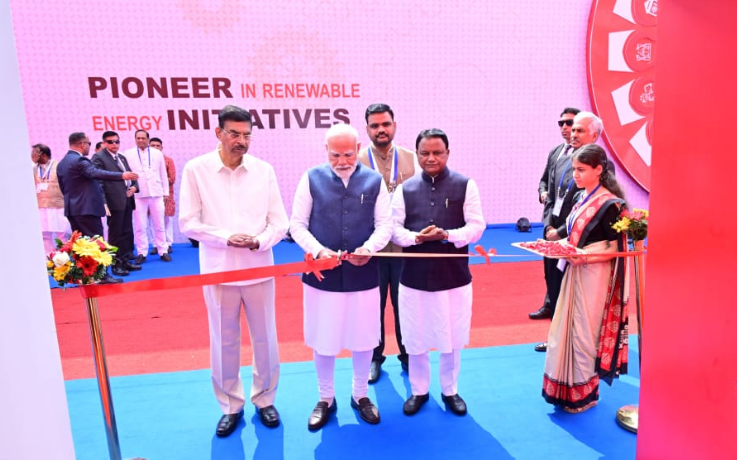
Furthermore, Majhi has prioritised infrastructure development, aiming to connect all 30 districts by rail and expand air connectivity to smaller towns. His government has also committed to filling over 40,000 government vacancies by 2026.
Read Also : Hockey India League: Tickets for Bhubaneswar leg go on sale
- BRIDGING THE GAP: ACCESSIBLE GOVERNANCE
In a departure from the “bureaucracy-led” model of the past, CM Majhi has focused on “Jan Sampark” (Public Connectivity). He famously reopened the Chief Minister’s Grievance Cell after it had remained largely inaccessible for 16 years. Every Monday, the CM personally meets with hundreds of citizens from across the state to hear their issues firsthand.
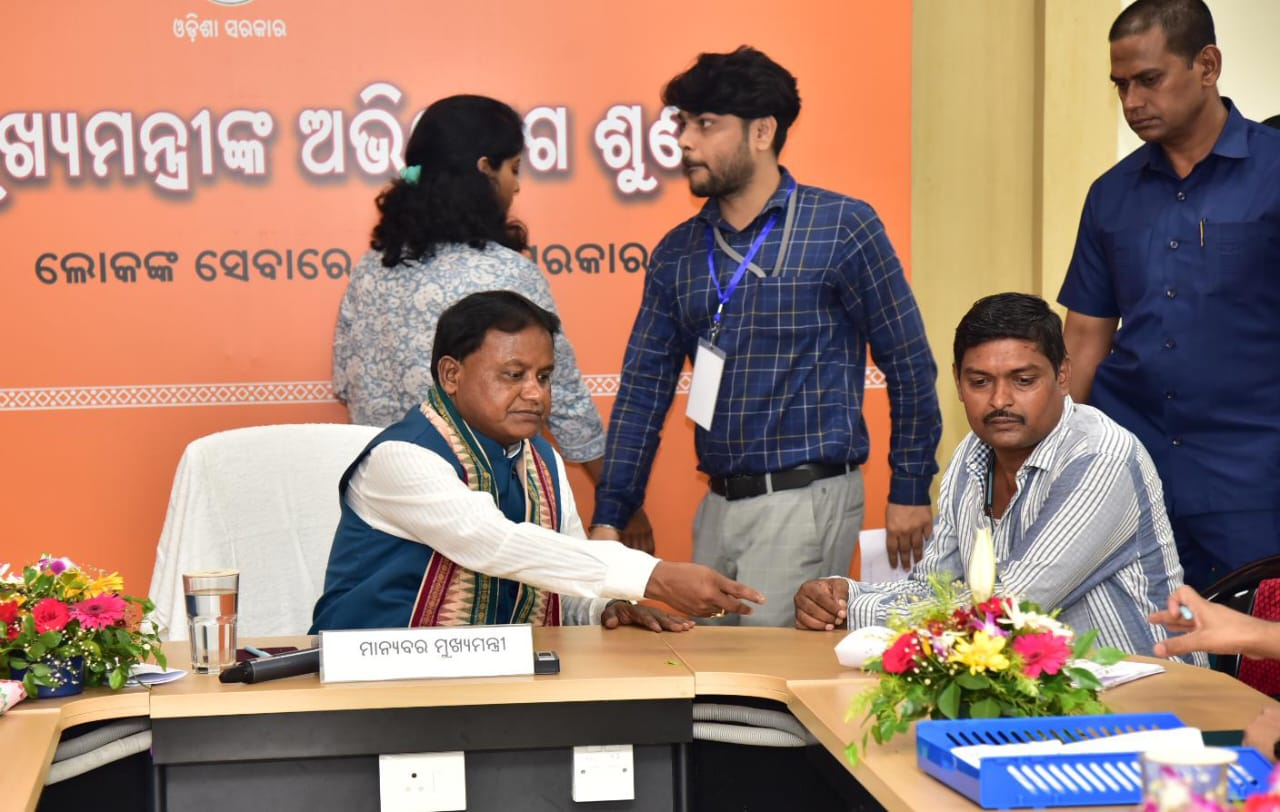
This “people-first” approach is mirrored in his recruitment drive, where the government successfully filled 28,000 government vacancies in its first year and set a target for 1.5 lakh more jobs over the next five years, emphasising transparency and merit-based hiring to win back the trust of the state’s youth.
VISION FOR 2036: ‘
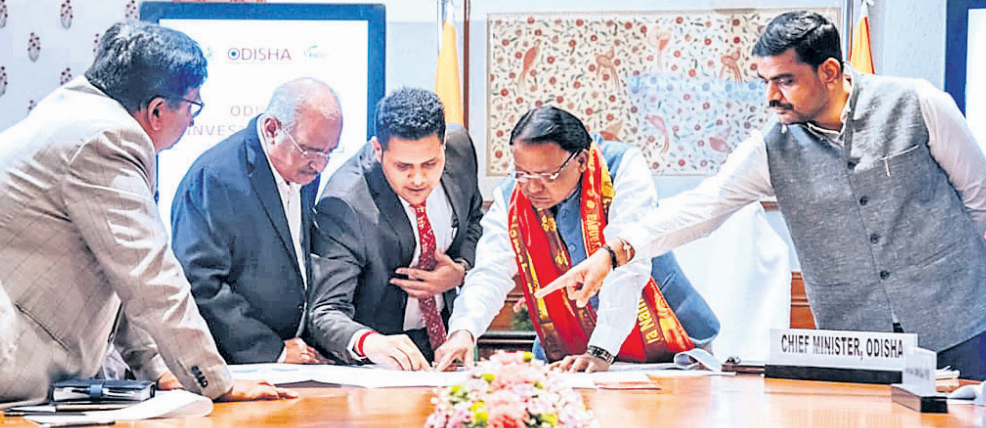
As Majhi enters his second year in office, he has set a bold vision for the state’s future. The Chief Minister’s “15-point New Year agenda” for 2025 includes ambitious goals such as creating a $500 billion economy by 2036, celebrating Odisha’s centenary of statehood. Majhi has also reiterated his commitment to a corruption-free government and has called for the exclusive use of the Odia language in all official matters by 2030, further cementing his commitment to the state’s linguistic and cultural heritage.
The Road Ahead
With his first year in office marked by decisive action and clear objectives, Mohan Charan Majhi has set a promising course for Odisha. His leadership, deeply rooted in his community-based values, has already brought about meaningful changes in the lives of ordinary citizens. As the state prepares to celebrate his birthday January 6, the people of Odisha have much to look forward to in the coming years, with hopes that under Majhi’s leadership, the state will emerge as a model of development, prosperity, and cultural pride.